







Homes today have a very different electrical load than they did a generation ago. A spare bedroom might be an office, the kitchen could be outfitted with several high-powered appliances and charging stations exist in nearly every room. Rather than plugging in power boards as another device arrives, it’s worth thinking about how electricity is actually used over the course of a day and where demand tends to cluster.
A simple room-by-room audit is a good start. Regularly count the fixed appliances, chargers, computers, entertainment equipment, heaters, lamps and kitchen devices plugged in. Then locate any places where extension leads are draped permanently across furniture or where sockets are hidden behind heavy cabinets. The way people get things done every day often shows that the layout no longer works, even if there is nothing obviously wrong.
Map: The Real Story of How Power Is Used
Be it repositioning outlets, isolating high-demand equipment, enhancing lighting controls or evaluating an older switchboard, a qualified electrician Sydney professional can assist in translating those habits into a safer and more practical plan. The point is not to fill every wall with sockets. It is to provide reasonable access to power where people actually work, cook, relax, clean and recharge devices.
The home office, in particular, should be considered, as computers, monitors, printers, routers, desk lamps and chargers can all be working together for hours. The planned location of networking equipment means adaptors are kept off the floor and out of crowded corners, while convenient desk-height outlets will reduce cable clutter. Good task lighting is also a plus. A well-placed fixture may improve the comfort of a workspace and eliminate the need for several plug-in lamps.
Consider High-Activity Rooms Carefully
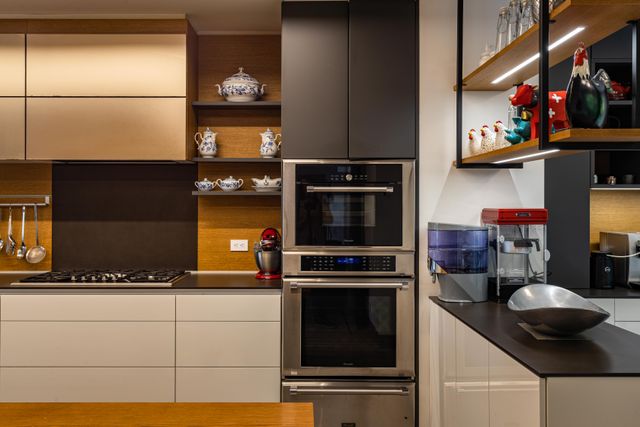
Think workflow not just looks when designing a kitchen. Benchtop appliances are fighting for space and power, but ovens, dishwashers, refrigerators, and induction equipment have different needs. Knowing where the coffee machine, kettle, mixers, air fryers are likely to live prevents a finished renovation from immediately being reliant on double adaptors and trailing leads.
Bedrooms and living spaces only need a lighter touch. Think bedside charging, TV placement, reading lights, robot hoover docks, future furniture changes. Install a socket only for today’s sofa and it may be awkward when the room is rearranged. Flexible placement and the few well-thought-out control points can make the electrical layout seem almost invisible, as it supports routines without calling attention to itself.

Design for Changes that are Not Yet Implemented
Good electrical planning is basically about reducing friction in daily life, while preserving safety norms. “When outlets, circuits, lighting and controls are designed around actual behaviour, a home becomes easier to use and less reliant on temporary fixes. Often the best upgrades are not dramatic; they are the quiet improvements that mean the right connection is already there when a new device, work pattern or household need arises. Such planning is also helpful when buying new equipment; you want to know if the room is ready for the device and not force the device into an improvised arrangement later.










Leave a comment