






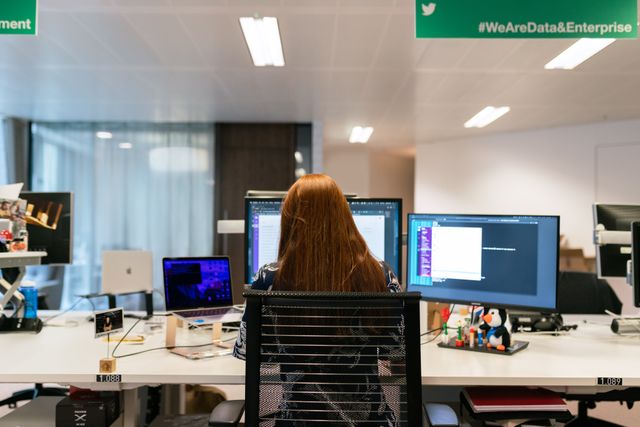
Technology is now woven into almost all aspects of modern working days. Staff use computers to access files, communicate with customers, process payments, prepare reports and coordinate projects. When all is going well, few people pause to consider the systems that sustain them. The trouble comes when slow devices and failed logins, missing documents, or unstable internet connections disrupt ordinary tasks.
Too many organisations respond to technical problems after something has gone wrong. This reactive approach can result in longer delays, rushed decisions and repeated interruptions. A more reliable approach is to maintain systems before they become disruptive, identify repeat offenders and ensure workers know where to turn when they need a hand.
Create Support Around the Working Day
Business IT support services should be based on how an organisation actually works, not a standard list of technical products. A small professional office might rely heavily on e-mail, cloud documents and secure remote access, while a retail business might be more reliant on payment systems, inventory software and reliable connectivity. Grasping these daily priorities will help support teams know which systems to prioritise.
A clear review of devices, software, user accounts, backups and network access is often the first step to take. This gives a practical picture of what is going well and where risks may be emerging. An ageing computer could be slowing one employee down, while a haphazard file structure could be costing an entire department precious minutes.
Support must also have clear priorities for response. A forgotten password is a pain but a server failure or a suspected security breach can affect the whole organisation. Urgency levels make it easier to respond quickly and not every request needs to be handled exactly the same way.
Preventing Problems from Recurring
One technical fault may be a symptom of a broader problem. If staff keep losing access to shared folders, the problem may be permissions, training or an inappropriate document structure. If computers are often slow, it may be because the hardware is ageing, there is too much background software, or not enough storage.
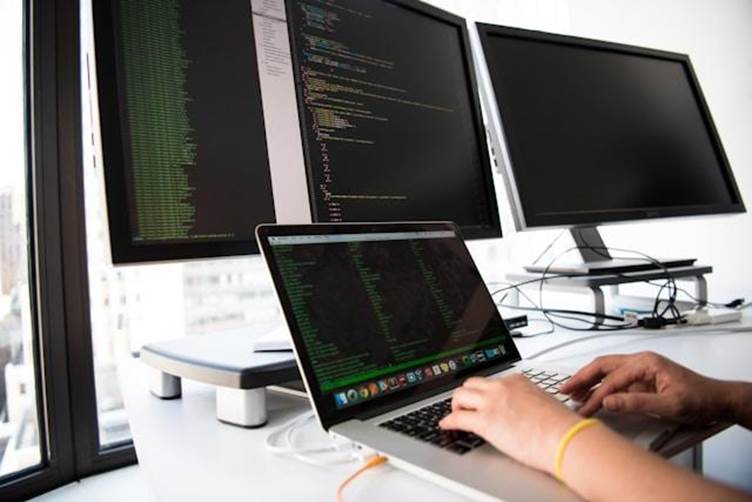
When you log and look at support requests, you start to see patterns. Organisation can fix the root cause, instead of fixing the same problem multiple times. This could be replacing equipment, improving onboarding, changing security settings or simplifying a workflow.
Preventive maintenance also reduces the uncertainty. Regular updates, tested backups, monitoring devices and reviewing accounts can prevent small weaknesses from becoming large interruptions. The costs of doing this are often less than the costs of a major failure.
Supporting People and Systems
Good support is not just about the technical knowledge. Employees need explanations they can understand, not an avalanche of unfamiliar jargon. Clear communication enables people to make informed decisions and reduces the hesitancy that some staff experience when asking for help.
Training can also enhance everyday security. Employees who spot suspicious links, strange login requests and fake invoices are less likely to put the organisation at risk of unnecessary risks. Basic tips on passwords, data handling and remote working can help improve protection without making everyday tasks too difficult.
A supportive climate allows staff to escalate concerns early. A weird pop-up, a missing file, an odd email may seem minor but reporting them early can prevent a bigger problem emerging.
Ready to Grow Tech
As an organisation grows so do its technology requirements. New staff need accounts, permissions and equipment. Additional sites may need secure connectivity, standard software and improved communications systems. Every new user or device can add another layer of confusion without planning.
A structured support arrangement brings consistency. Equipment can be documented, access can be assigned based on roles, and software costs can be reviewed before they get out of hand. Organisation is better placed for change into the future.
The best technology support is not the speed with which broken systems are repaired. The measure is the infrequency of preventable problems interrupting the working day. When systems are well maintained, employees can do their jobs, managers can plan with more confidence, and technology is what it is supposed to be: a reliable tool that works quietly in the background.






Leave a comment