






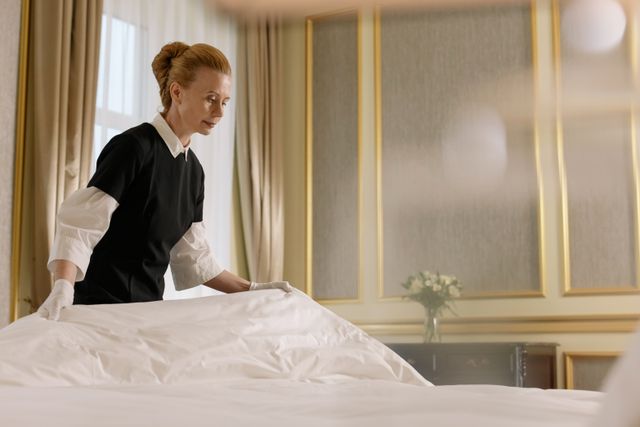
Walk into a hotel room and you notice the pillow long before anything else. Not because some label says its thread count is off the charts, but because you can tell if the linen feels fresh. Is it lying flat without a single crease? Does it look like it’s just been made new, or is there that grim sign of wear showing up in the fabric, that greying or thinning that just screams “we’ve been around the block a few times”.
Guests don’t have a clue about what the weave type is or how the yarns are spun, but they can spot a difference in linen that’s held up well and linen that’s just about done for. And they share that with the world online, and that’s a review that’s public, forever.
What You Notice About the Bed Vs What the Hotel Manager Is Keeping an Eye On?
The hotel managers are all about the cost of the linen and how often it needs to be replaced. And then there are you, you’re just trying to get some sleep, and for you, the first thing is whether the bed feels right. The problem is, these two systems don’t always line up, so sometimes the hotel is going for quality but ending up with something less than. That’s where things can get a bit out of whack.
Pilling, those annoying little balls of fluff that turn up on old fabric, isn’t so noticeable in the storeroom under the fluorescent lighting, but when you’re lying in bed at night, it’s right there in front of you. And then there’s the yellowing of white linen, the thinning of fabric at the seams, and the colour fading, all those things that say ‘this linen is done for’ long before the manager realises it’s time to replace it.
The linen that looks great in the product brochure and the linen that can withstand 200 washes in a busy hotel are not one and the same.
Why Durable Bed Linen Is A Production Choice, Not Just Some Marketing Hype?
For hotel linen, being tough is something you engineer into the fabric right at the start, it’s all about the spin and the way the threads are woven together. Vortex spinning creates a tighter weave that doesn’t pill or shed as much as the standard stuff. Air jet weaving means the weave is consistent and doesn’t have those little weak points that can pop up. Take some high-quality Australian Cotton and mix it with a bit of good polyester and you get linen that can handle the sort of washing a hotel gets on a daily basis for a long time. And that cotton has some quality itself, it’s got longer fibres than a lot of other cotton so it will hold up better. Oh and on top of all that, there’s the little fact that it’s been made without any nasty chemicals, just the kind of thing that matters more and more to operators who know their guests care about that sort of thing.
Coloured Linen and the Commercial Laundry Compatibility Question
White linen is the standard for hotel settings where bleach dosing is a routine element of the laundry schedule and uniform linen colour throughout a hotel’s linen stock is a requirement. Coloured linen is used in settings where an immaculately white appearance is inappropriate. Hotels, aged care homes, student accommodation, remote site accommodation, and branded short-stay accommodation are examples where a non-white appearance is desirable.
The issue with using coloured linen in the commercial laundry setting is fading because of bleach treatment. Linen with European Oeko-Tex approved dyes and finishing treatments from companies like Polesy Commercial Textiles solves this issue. The coloured fabrics are produced with the dyes through a process that produces a product that is genuinely chlorine-resistant. Bleach resistance is a performance feature of the linen, not a style choice.
Coloured linen sheets and printed quilt cover sheets that have been prewashed at the time of production can be installed out of the box without a preliminary pre-wash. Time savings for the operation manager dealing with new properties or properties with high turnover.
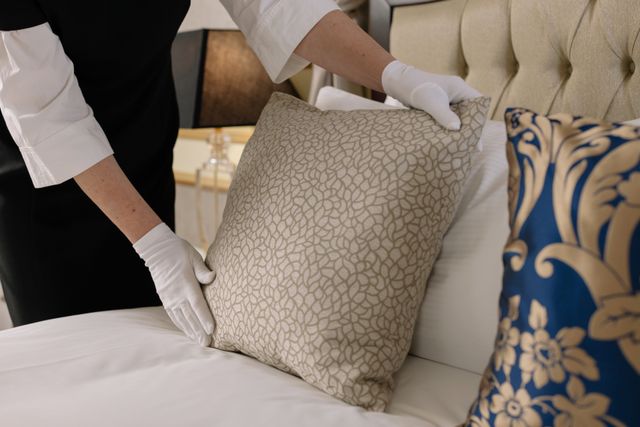
The Par Stock Equation That Operators Calculate Incorrectly
Par stock is the amount of linen needed to ensure all the beds are covered while a cycle of linen is being laundered. Operators use a formula to figure out the correct amount of linen. But the problem is when the linen’s service life is shorter than expected, and items become retired faster than the replacement is received.
National warehousing in multiple Australian states, with the availability of stock and quality customer support means that operators in various regions can expect reliable lead times without having to cope with international shipping problems or a limited stock in one state. Any accommodation manager who has had linen shortages knows this benefit.








Leave a comment