







There are a number of variations in processing, and the filtering and purity of each protein can make a significant difference depending on the type of protein being used. The protein isolated is the whey protein isolate or WPI protein which is further filtered from whey concentrate to remove the majority of the fat and lactose and carbohydrate, making it higher in protein content by weight. The zoning of WPI protein is less about what it looks like, and more about where it comes from, and what it does when it gets there.
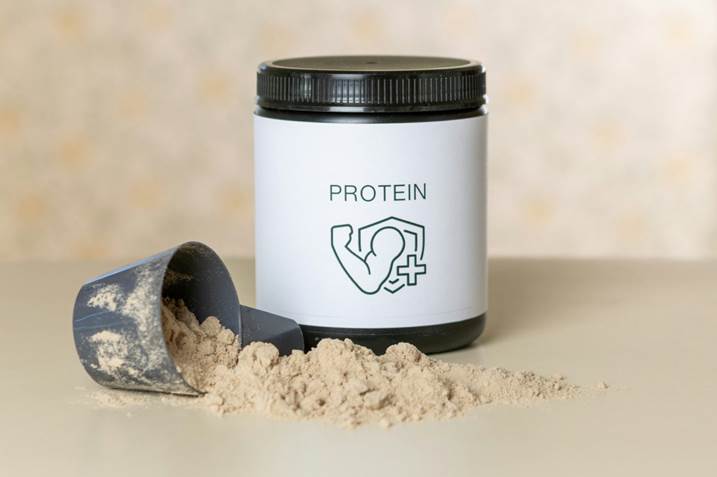
Types of WPI Protein Available
There are two common methods of filtration that yield slightly different results: Generally, one of two processes is used to produce wpi protein. Cross-flow microfiltration is a low-heat system to remove protein, fat and lactose from a product, but leave more of the natural compounds in the whey. Ion-exchange filtration removes additional micro-fractions with a higher protein percentage, but the product contains an even lower level of beneficial micro-fractions. In addition to different filtration methods, WPI protein also comes in various forms to fit various requirements and applications: Unflavoured for use in other food products, flavoured for use in daily protein drinks and WPI protein added to digestive enzymes or other ingredients for better absorption and digestive benefits.
How WPI Protein Fits Into a Diet
The first step in selecting the optimal use of WPI protein is to know what each person’s goals are – whether they are looking to support recovery after training, manage total protein intake for the day, or seek a protein that fits their lactose sensitivity. Most lactose has been removed from WPI protein during processing, which helps it to be easier to digest for individuals who are sensitive to lactose in dairy products, but typically isn’t recommended for individuals who have a complete lactose intolerance or dairy allergy. The timing and dosage will be customized to a person’s training schedule and overall protein intake and often serves as a useful bridging tool to get them to the protein target. One of the more convenient ways to check to be sure that the product is not just convenient but is actually made from protein isolate, rather than a protein blend that is loosely labeled as such, is to look at the label and see how much protein it actually contains per serving.

Benefits of Choosing WPI Protein
WPI protein is also favored by those wanting to support lean muscle growth or control fat and carbohydrate intake while maintaining their protein intake. While the amount of lactose and fat content can differ slightly more from one protein to the next in the whey concentrate, a true WPI protein will have a more consistent and predictable macronutrient profile from one serving to the next. People who have suffered from bloating or discomfort with regular whey protein sources will find that they can find relief by transitioning to a good quality WPI protein since it is low in lactose. Even if it’s the cheapest on the shelf, selecting a reputable brand that offers third-party testing and transparent sourcing will help ensure the product is truly isolate-grade whey, with a level of purity and protein that is meant to contain.










Leave a comment