






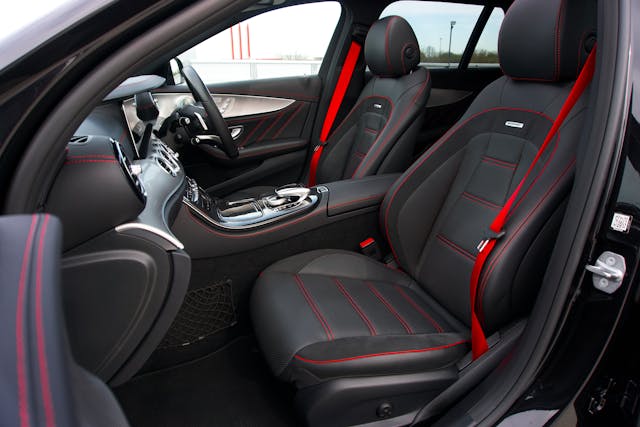
Seat belt replacements are a critical part of maintaining vehicle safety and ensuring that restraint systems function properly. Seat belts are designed to protect occupants during sudden stops or collisions, and any damage or wear can reduce their effectiveness. Replacing faulty or worn seat belts helps restore safety and ensures that the vehicle remains compliant with safety standards.
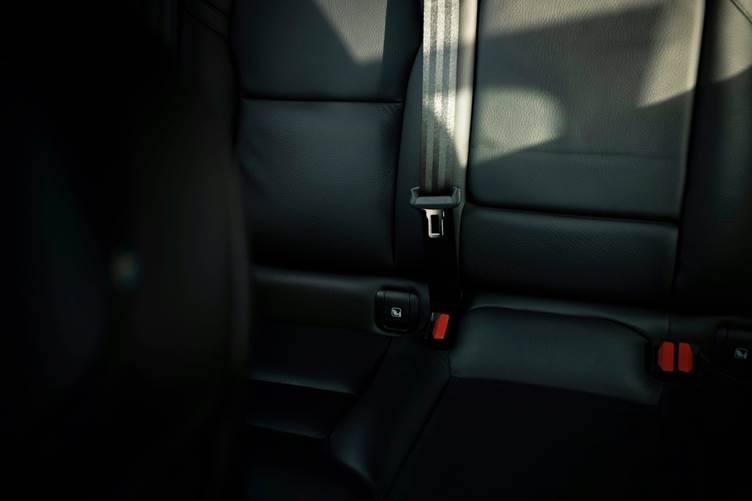
Signs That Seat Belt Replacement Is Needed
Seat belts may need replacement if they show visible signs of wear such as fraying, cuts, or stiffness. Damage can occur due to regular use, environmental exposure, or after an accident. Even if damage is not immediately visible, internal components may be affected, reducing overall performance.
Other warning signs include difficulty retracting the belt, failure to lock properly, or unusual resistance when extending the belt. Identifying these issues early is important to maintain the effectiveness of the restraint system.
Quality Components and Proper Installation
Seat belt replacements require components that meet safety standards and are compatible with the specific vehicle model. This includes the belt material, retractor mechanism, and locking system. Using appropriate components ensures that the system functions correctly under different conditions.
Professional installation is essential to ensure that the seat belt is securely fitted and aligned properly. Correct installation guarantees that all components work together effectively, providing reliable protection when needed.
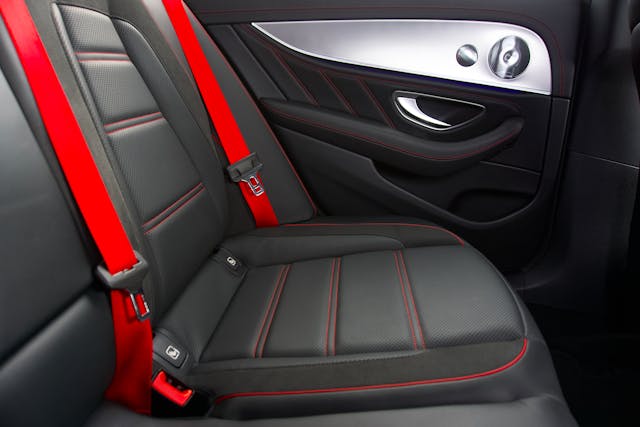
Maintaining Long-Term Safety and Performance
Replacing damaged seat belts restores the reliability of a vehicle’s safety system. Regular inspection and timely replacement help maintain long-term performance and ensure consistent protection for occupants.
seat belt replacements also contribute to compliance with safety regulations, which are designed to protect drivers and passengers. Maintaining a fully functional restraint system is essential for overall vehicle safety and peace of mind.










Leave a comment