







Planning a funeral can be an emotional and challenging responsibility, particularly when families are coping with the loss of someone they love. During such a difficult period, having compassionate and experienced support can make the process more manageable and less overwhelming. Professional funeral services help families understand their options, organise important arrangements and create a meaningful farewell that reflects the life of the person they have lost. With thoughtful guidance and clear communication, families can focus on remembering their loved one while receiving assistance with practical responsibilities. Finding the right support can make an important difference in creating a respectful and personal funeral experience.
Understanding the Importance of Compassionate Funeral Support
Losing a loved one can bring a range of emotions, making it difficult for family members to concentrate on the practical decisions that need to be made. Compassionate funeral support provides reassurance during this period by helping families navigate arrangements with patience, understanding and respect. When choosing the best melbourne funeral director, families may wish to consider the level of guidance, communication and personal support offered. Experienced funeral professionals can explain the different services available, discuss important considerations and guide families through each stage of the planning process. This assistance helps reduce uncertainty and allows relatives to make decisions without feeling unnecessarily pressured. Having someone who understands the sensitivity of the situation can also make communication easier when family members are experiencing grief.
Every family has different expectations when arranging a farewell, and professional support should recognise these individual needs. Some families may prefer a traditional funeral service, while others might want a more personalised gathering that celebrates the person’s life and achievements. A compassionate funeral provider takes the time to understand these preferences before suggesting suitable arrangements. They can also help coordinate practical details, including service locations, transportation, ceremonies and memorial options. This personalised approach ensures that families feel supported while creating a farewell that reflects their loved one’s values and personality.
Choosing Funeral Services That Reflect Personal Wishes
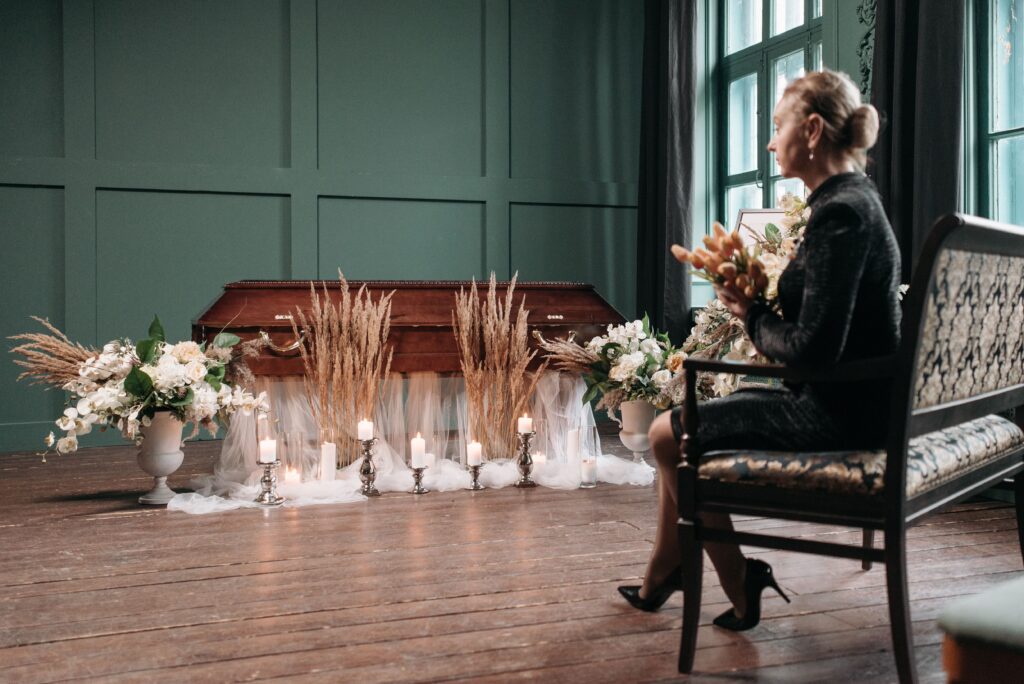
Selecting appropriate funeral services is an important part of creating a meaningful farewell. Families may need to consider the type of ceremony, preferred location, religious or cultural traditions and the involvement of relatives and friends. A professional funeral director can explain the available options and help bring these different elements together in a respectful and organised way. They can also discuss personal touches such as favourite music, photographs, readings and meaningful messages that reflect the individual’s life. These details can transform a formal ceremony into a more personal occasion where family members and friends can share memories and express their appreciation.
Personalisation is particularly valuable because every individual has a different story, and a funeral can provide an opportunity to acknowledge what made someone special. Some families may wish to include a photo presentation, while others might prefer meaningful readings or a tribute delivered by a close friend. Funeral professionals can help organise these arrangements while ensuring that the service remains appropriate to the family’s wishes. They can also provide guidance when relatives have different ideas about how the ceremony should take place. By considering individual preferences carefully, families can create an experience that feels genuine, respectful and comforting.
Managing Practical Arrangements During an Emotional Time
Funeral planning involves several responsibilities that may feel difficult to manage when families are dealing with grief. These can include completing necessary documentation, arranging transportation, selecting a suitable venue and coordinating the funeral ceremony. Without appropriate assistance, managing these details can become stressful and take attention away from important family moments. Professional funeral services help organise these responsibilities by providing clear information and explaining what needs to happen at each stage. Having an experienced team coordinate essential arrangements can reduce confusion and help families feel more confident about the decisions they are making.
Clear communication is also essential throughout the planning process, particularly when multiple family members are involved. Funeral professionals can explain timelines, discuss available services and help relatives understand the practical considerations associated with their choices. They can also assist with coordinating different service providers to ensure that arrangements are completed smoothly. Families should feel comfortable asking questions and discussing any concerns before making important decisions. When information is provided in a considerate and straightforward manner, it becomes easier to understand the available options and manage the responsibilities involved in arranging a funeral.
Respecting Cultural Traditions and Individual Family Needs
Cultural, religious and personal traditions often play an important role in how families wish to honour someone who has passed away. These traditions may influence the timing of the funeral, the structure of the ceremony, specific rituals and the way relatives and friends participate. Choosing a funeral provider that understands these considerations can help families organise a service that respects their beliefs and values. Experienced professionals can discuss individual requirements and explain how different arrangements may be accommodated. This understanding is especially important when families need assistance coordinating traditional practices alongside practical funeral responsibilities.
Families may also have specific preferences relating to music, clothing, religious readings, memorial displays or other ceremonial details. Taking the time to communicate these wishes helps ensure that the funeral reflects the person’s background and the family’s expectations. In some situations, relatives may come from different cultural backgrounds or have varying preferences, making thoughtful coordination particularly valuable. A supportive funeral team can listen carefully and help identify arrangements that respect everyone involved. By approaching these matters with sensitivity, families can create a farewell that honours their loved one while acknowledging the traditions and relationships that shaped their life.
Finding Ongoing Guidance and Emotional Support After a Funeral
Support from funeral professionals does not necessarily end when the ceremony is completed. Families may continue to experience grief and emotional difficulties as they adjust to life without someone important to them. Having access to information about grief support services can help relatives understand that bereavement is a personal process that takes time. Some people may benefit from speaking with a professional counsellor, while others might find comfort in connecting with support groups or trusted community members. Knowing where to find appropriate assistance can make it easier for individuals to seek help when they feel ready.
Remembering a loved one can also become an important part of the healing process. Families may choose to preserve photographs, create memorial keepsakes or gather together on meaningful anniversaries to celebrate special memories. These activities can provide opportunities to share stories and maintain a sense of connection with the person who has passed away. Funeral providers that offer information about memorial options and bereavement resources can help families explore these possibilities. Ultimately, finding compassionate support for funeral planning involves more than organising a ceremony; it means receiving understanding, practical guidance and respectful assistance throughout an important and emotional period of life.









Leave a comment