






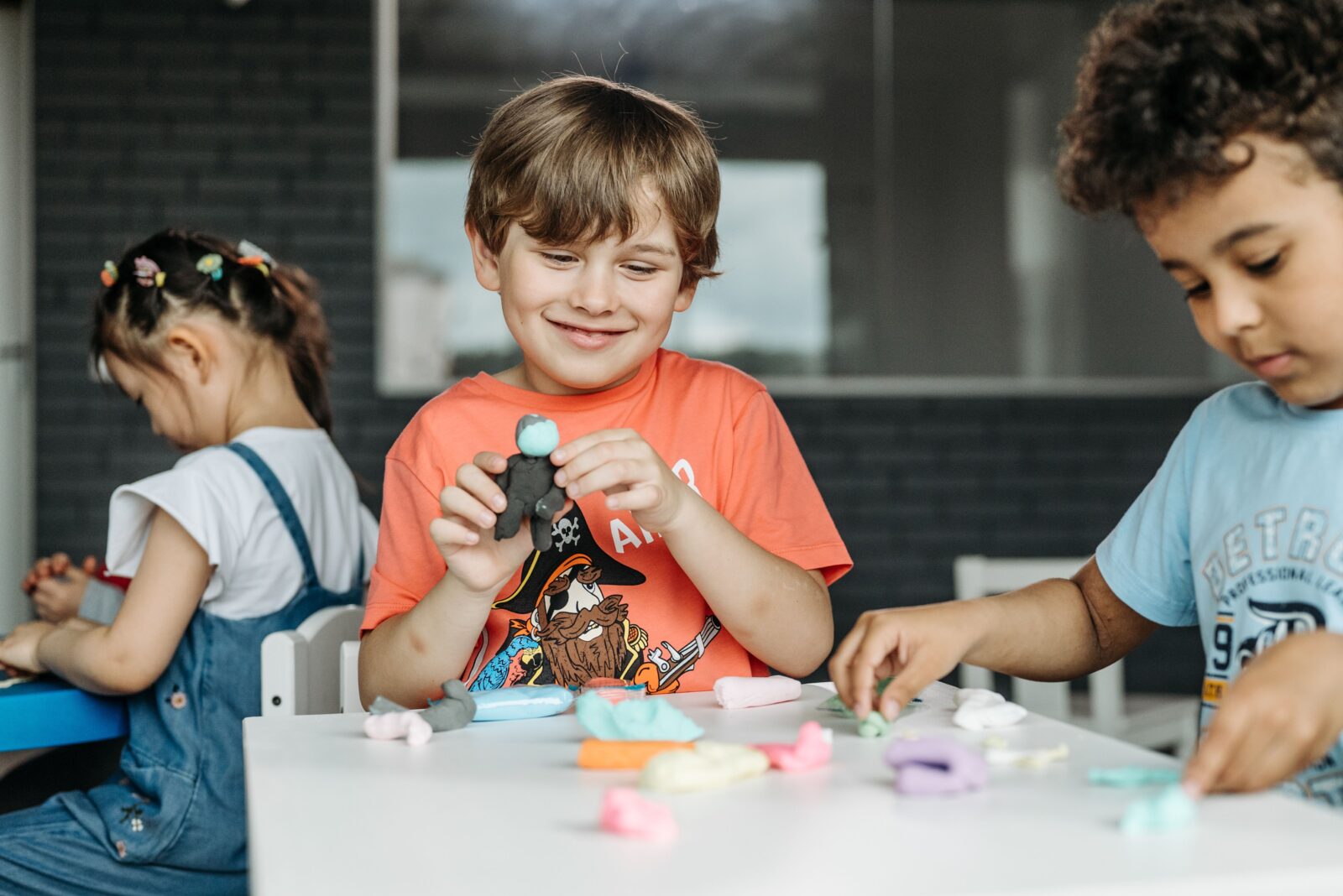
Hands-on play is an important part of childhood development because it allows children to explore new ideas through practical experiences. Instead of simply listening to instructions or observing others, children can learn by touching, building, experimenting and discovering things independently. Activities such as puzzles, construction games, creative projects and simple experiments can make educational concepts easier to understand. By combining entertainment with active participation, hands-on play can create meaningful learning opportunities while supporting children’s confidence, curiosity and development.
Making Learning More Engaging Through Practical Activities
Children often find learning more enjoyable when they have opportunities to participate directly in different activities. stem toys actually works for teaching which encourages them to explore educational concepts through practical experiences rather than relying entirely on written instructions or verbal explanations. For example, building blocks can introduce shapes, sizes, patterns and basic mathematical relationships, while sorting games can help develop observation and classification skills. These activities allow children to interact with learning materials and understand how different concepts work in real situations. When education becomes an enjoyable experience, children may be more willing to participate and explore unfamiliar subjects.
Practical activities can also help maintain children’s attention by giving them something interesting to accomplish. Completing a puzzle, creating a model or experimenting with different materials requires concentration and active involvement. Children can see the results of their efforts immediately, which can make the learning process more rewarding. Parents and educators can support this approach by introducing activities that match children’s interests and developmental abilities. Offering a variety of games and creative challenges can prevent learning from becoming repetitive. This combination of enjoyment and participation helps create an environment where children feel motivated to discover new information.
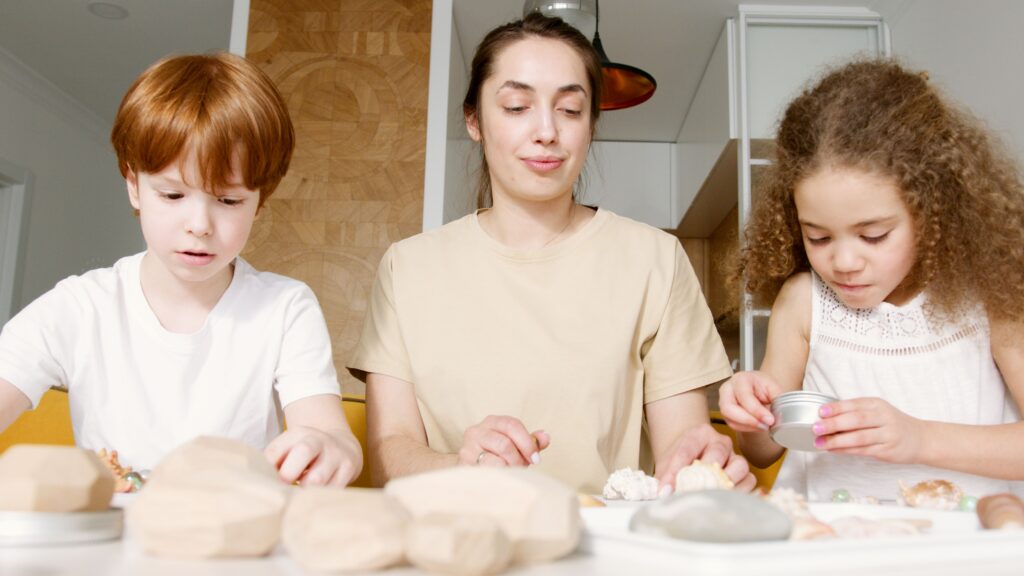
Developing Problem-Solving and Critical Thinking Skills
Hands-on play provides children with opportunities to encounter challenges and find solutions through independent thinking. Activities such as construction games, puzzles and matching exercises encourage them to examine problems, consider different possibilities and decide which approach might work best. For instance, when building a tower, children may need to experiment with different arrangements to prevent the structure from falling. These experiences introduce basic problem-solving concepts while encouraging logical reasoning and creativity. Rather than simply receiving answers, children learn to investigate situations and make decisions based on what they observe.
Another important benefit is the opportunity to develop persistence when an activity does not produce the expected result. Children may need to rebuild a structure, rearrange puzzle pieces or try a different method before completing a task successfully. These experiences help them understand that mistakes are a normal part of learning and that challenges can be overcome with patience and effort. Adults can encourage this process by asking helpful questions instead of immediately providing solutions. Allowing children enough time to experiment independently can strengthen their confidence and decision-making abilities. Over time, these skills can become valuable in academic activities and everyday situations that require thoughtful solutions.
Strengthening Creativity and Imagination Through Play
Creative play allows children to use their imagination while developing new ways of expressing ideas. Activities involving drawing, painting, building, storytelling and role-playing give them the freedom to explore different possibilities without always following a fixed outcome. For example, children can use construction materials to create imaginary buildings, vehicles or entire miniature environments. These activities encourage original thinking while helping them understand how different materials and objects can be used creatively. Providing opportunities for open-ended play can also help children develop confidence in their abilities and become more comfortable sharing their ideas.
Imaginative activities can support learning across several educational areas at the same time. When children create a pretend shop, they may practise counting, recognise different objects and develop communication skills through interaction. Similarly, storytelling activities can introduce language development, sequencing and creative expression. Parents and educators can make these experiences more meaningful by providing accessible materials and encouraging children to explain what they are creating. There is no need for every activity to have a perfect result because the creative process itself offers valuable learning opportunities. Encouraging imagination through practical play can help children develop flexible thinking and a positive attitude towards discovering new things.
Improving Social Skills and Communication Through Group Activities
Playing with other children creates opportunities to develop important social and communication skills. Group activities such as building projects, board games, team challenges and creative tasks encourage children to share materials, exchange ideas and work towards common goals. During these experiences, they learn how to listen to others, express their opinions and understand different perspectives. They may also discover the importance of taking turns, following shared rules and respecting other people’s contributions. These everyday interactions help children develop the communication skills needed to participate confidently in classrooms and social environments.
Cooperative play can also teach children how to manage disagreements and work through challenges together. For example, when several children participate in a construction activity, they may have different ideas about how to complete the project. Discussing these ideas and finding a suitable solution encourages negotiation, patience and teamwork. Adults can support positive interactions by creating activities that allow everyone to contribute according to their abilities. They can also guide children towards respectful communication when disagreements occur. These experiences help make play a valuable opportunity for developing emotional awareness, cooperation and stronger relationships with others.
Supporting Overall Development Through a Balanced Play Environment
Hands-on play contributes to several areas of childhood development, including physical coordination, language skills, emotional awareness and intellectual growth. Activities such as threading beads, stacking blocks, using building tools and handling small craft materials can help strengthen fine motor skills and hand-eye coordination. Outdoor activities involving running, jumping, climbing and exploring natural surroundings can support larger muscle movements and physical confidence. Combining different types of play allows children to develop a wider range of abilities while keeping their daily routines varied and enjoyable. Providing suitable opportunities for both indoor and outdoor activities can make learning more balanced.
Parents, teachers and childcare providers can encourage effective learning by creating environments where children have access to safe, age-appropriate materials and enough time to explore. Educational toys, books, puzzles, art supplies and everyday household objects can all become useful learning resources. It is important to follow children’s interests while gradually introducing activities that offer new challenges and experiences. Adults should also avoid placing unnecessary pressure on children to complete every task perfectly, as exploration and experimentation are essential parts of the learning process. By making hands-on play a regular part of childhood, families and educators can encourage curiosity, independence and a lasting enthusiasm for learning.







Leave a comment