






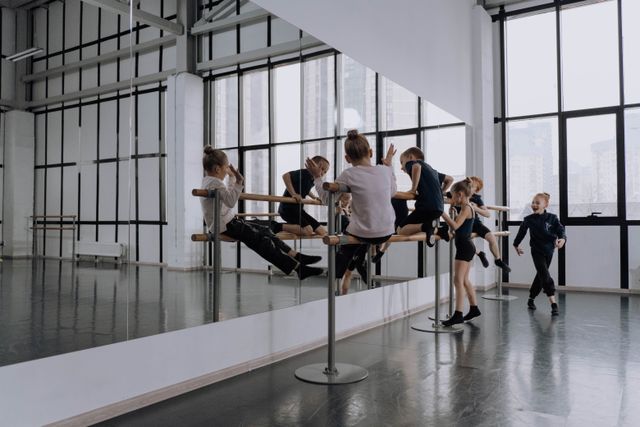
The signs that a kid has been bungled into the wrong dance school tend to creep in over time. By about week five or six, you start to notice the initial excitement from Day One beginning to wear off and parents starting to wonder if maybe they made a mistake on the way to class. Dance schools Brunswick, and right across the inner city, can be a world apart in terms of how they do things, how fast they go at it and what they’re trying to achieve; and finding one that’s right for your kid isn’t about picking the one with the biggest name or the easiest location. It’s about working out what your little one needs right now, then finding a school that’s designed to meet that need.
The Australian Curriculum, Assessment and Reporting Authority recognises the arts, including dance, as a core learning area in the national curriculum, which reflects how seriously structured movement and performance education is taken for children’s development.
What Early Dance Classes Are Really Building?
A five to seven-year-old who is starting out in formal dance classes isn’t spending their time trying to learn actual technique yet. What those first lessons are actually building is some real foundation stuff: the confidence to take instruction from a teacher who’s not mum or dad, getting the hang of moving in a group, paying attention while on the move and just generally having a blast getting physical in a structured way. Good first classes are structured around those basic development goals before we even think about the syllabus.
Classes that are pitched at the wrong level for a kid’s age and energy tend to start losing them before the first term even finishes. The first year is all about shaping how your kid sees dance, and how that goes often dictates whether they come back for another year or decide to give it the flick.
Recreational and Training Pathways: Getting It Right From the Start
Most children’s dance schools offer two different options regardless of whether they define them in their syllabus. The first option, the recreational path, is for kids who enjoy dancing, want to develop coordination and self-confidence, but don’t necessarily want to pass formal exams and spend more and more hours on this hobby as they grow older. The training path is different as the progression includes assessment, requirement to perform and growing responsibilities from the very beginning.
None of these options is better than the other. Putting the kid into the wrong type of programme is the reason why many people feel dissatisfied. An intrinsically motivated child put in the recreational programme might be bored after some time as the pace won’t satisfy his or her requirements. On the contrary, a child who just likes moving and creating and finds himself or herself in an intensive training programme might get discouraged and drop the lessons.
Reading a School’s Culture Before You Commit
The culture of a dance school can be observed much better in everyday interactions than in the presentation of a school on its webpage. How the inquiries are handled, how the teachers welcome the students, how the already established ones treat newcomers; this information, taken as a whole, reflects the culture of a dance school more precisely than any open day.
Visiting the school during regular classes held on working days instead of open days or special events reveals the real picture of school life. The open days are prepared and organised; regular sessions aren’t.
What Holiday Programmes Reveal About a School’s Priorities?
One of the best instruments which parents can use for evaluation of a dance school is its holiday programmes. Schools which teach children new things, take them out of familiar classes and challenge them at least once during holiday periods are those which show consistency of their approach not only during regular terms but also all-year round. Those schools which use holiday weeks to fill up their timetable are those which follow the same approach in the main part of the year.
Asking the parents of children who studied at the school for more than a year what their experience was would reveal much more truth than testimonials given by the schools themselves.








Leave a comment