






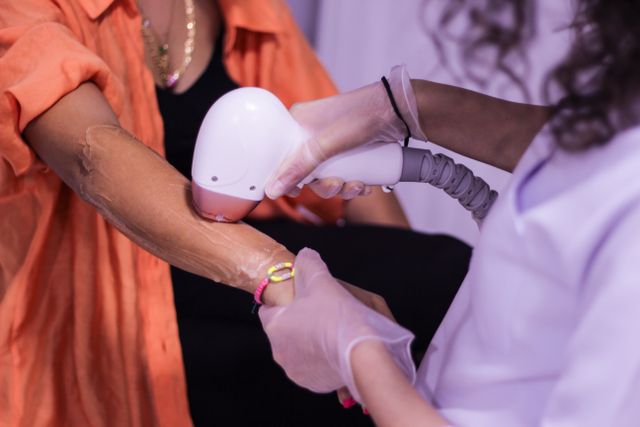
When examining professional hair reduction, it is important to consider convenience, irritation, and long-term routines. The first details are shaving frequency, waxing visits, and preparation time, which provide the practitioner with more than just a broad worry. Questions concerning shaving frequency can help to choose the first priority. Waxing appointments serve to provide background without determining the solution. The relationship between preparatory time and the larger concern should be explored, not assumed. A review of preparation time helps to keep the patient’s primary goal in focus. With shaving frequency, waxing appointments, and preparation time in mind, this preparation encourages informed involvement, however individual clinical judgement is still required.
Count the routines being replaced
People exploring the benefits of laser hair removal might prepare for an appointment by noting their shaving frequency, waxing appointments, and preparation time. Questions concerning shaving frequency should address why it is important and what the patient wants to clarify. Waxing appointments should be explained in terms of their purpose. Any doubt about preparation time requires a straightforward explanation rather than a guaranteed-sounding response. The role of preparation time should also be clarified before a plan is approved. With shaving frequency, waxing visits, and preparation time in mind, online reading can assist create these questions; nonetheless, suitability, diagnosis, and treatment are dependent on a skilled physician analysing the person.
Consider Skin Comfort and Time
The next stage of the clinical picture is razor discomfort, ingrown hairs, and individual sensitivity. Questions concerning razor irritation can reveal how the issue affects comfort, functionality, attractiveness, or habit. The topic of ingrown hairs should be considered in conjunction with the rest of the talk and any relevant history. Any decision requiring individual sensitivity requires professional interpretation rather than comparison to a generic checklist. The significance of individual sensitivity should be highlighted in terms of available options and limitations. With razor irritation, ingrown hairs, and personal sensitivity in mind, connecting these areas makes the care pathway easier to understand and review later.
Set a realistic definition of success
A safe plan should also have a clear method to reduction rather than guarantyd permanent elimination. Arrangements for reduction rather than guarantyd permanent removal should be documented so that the patient understands what will happen next. A change that involves decrease rather than guarantyd final eradication should include a reasonable review point rather than being left open-ended. Responsibilities associated with reduction rather than guarantyd permanent eradication must be precise enough for all parties to understand. A record of reduction rather than guarantyd permanent elimination may enable the next discussion be more precise and efficient. With a focus on reduction rather than guarantyd permanent removal, follow-up allows care to be tailored to the person rather than forcing every patient to adhere to the same timeframe.

Compare the Whole Commitment
Consultations, several sessions, aftercare, and possible maintenance should be resumed before the appointment or treatment stage concludes. Consultations should be focused on the agreed-upon health, comfort, or appearance aim. Choices involving several sessions require an explanation of the expected benefits, restrictions, and practical demands. Written aftercare instructions help patients remember what to do once they leave the clinic. The plan for potential maintenance should specify the next review, maintenance step, or contact pathway, as applicable. With consultations, several treatments, aftercare, and potential maintenance in mind, confidence stems from clear reasoning and shared expectations, not assurance, which responsible medicine and dentistry cannot provide.









Leave a comment