






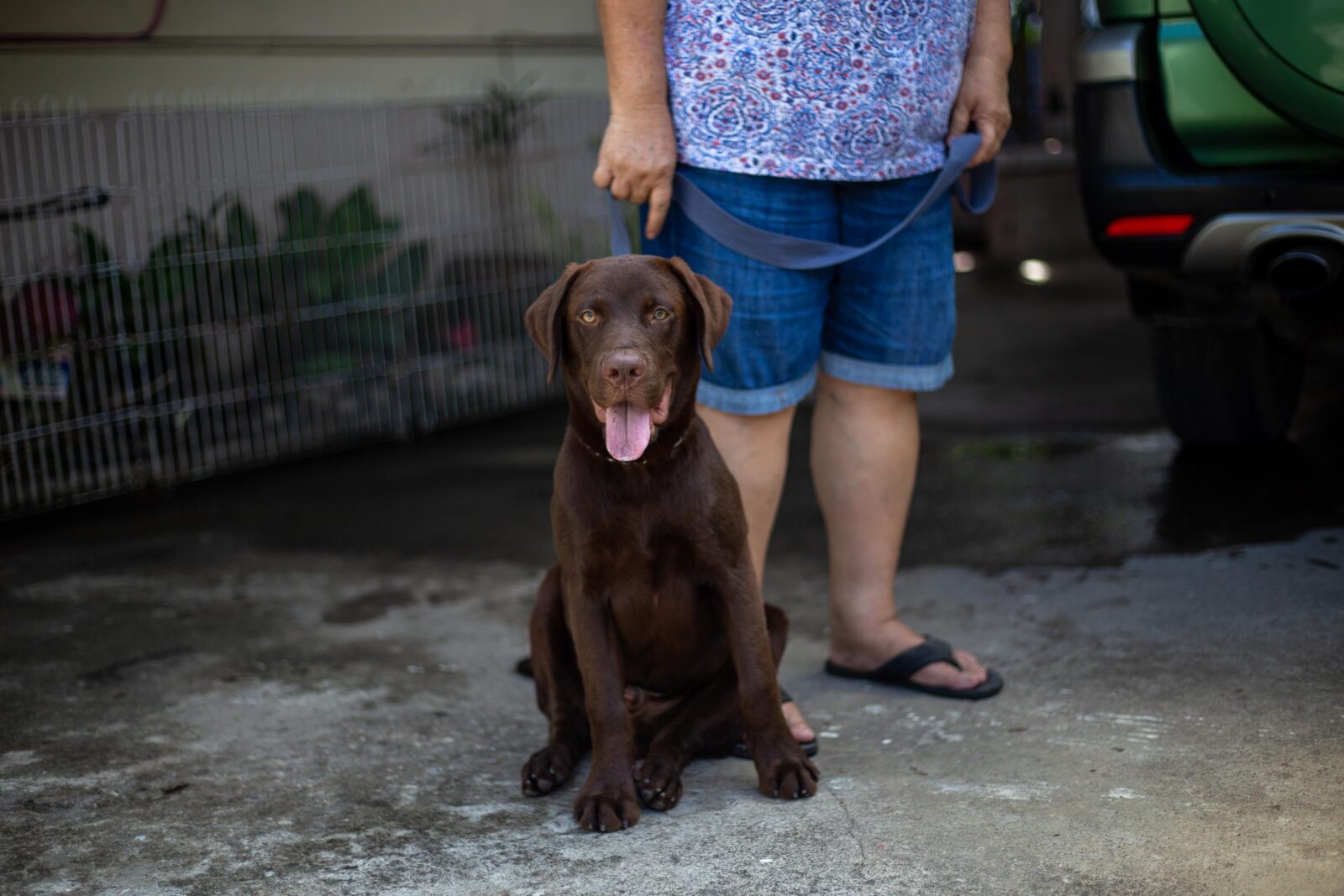
Imagine a world where every step is taken with confidence, where obstacles fade into the background thanks to a loyal companion at your side. Guide dogs are not just pets; they are life-changing partners for those with visual impairments. These remarkable animals go through an incredible journey from playful puppies to dependable helpers that transform lives.
In this blog post, we will take you behind the scenes of the guide dog experience. You’ll discover how these furry heroes begin their lives and what it takes to train them for their important roles. Each stage of their development is filled with challenges and triumphs, ultimately leading to a bond that empowers individuals in profound ways. Let’s dive into the fascinating journey of guide dogs as they transition from adorable pups to invaluable partners on life’s path.
The Training Process for Guide Dogs
The training process forguide dog for the blind is intricate and well-structured. It begins as early as eight weeks, when puppies are placed with volunteer puppy raisers. These caregivers introduce basic commands and socialization skills.
As the puppies grow, their training intensifies. They learn to navigate different environments, overcoming obstacles while staying attentive to their handler’s needs. Positive reinforcement plays a crucial role during this phase, with treats and praise encouraging good behavior.
After the initial training period, the young dogs enter formal instruction at specialized facilities. Here, they refine their guiding skills under expert trainers who understand both canine behavior and human interaction.
Throughout this journey, each dog’s personality shines through. Some may excel in busy urban settings while others prefer quieter spaces. Assessments ensure that every pup receives tailored guidance suited to its temperament and potential as a working partner in life.
Puppyhood and Early Training
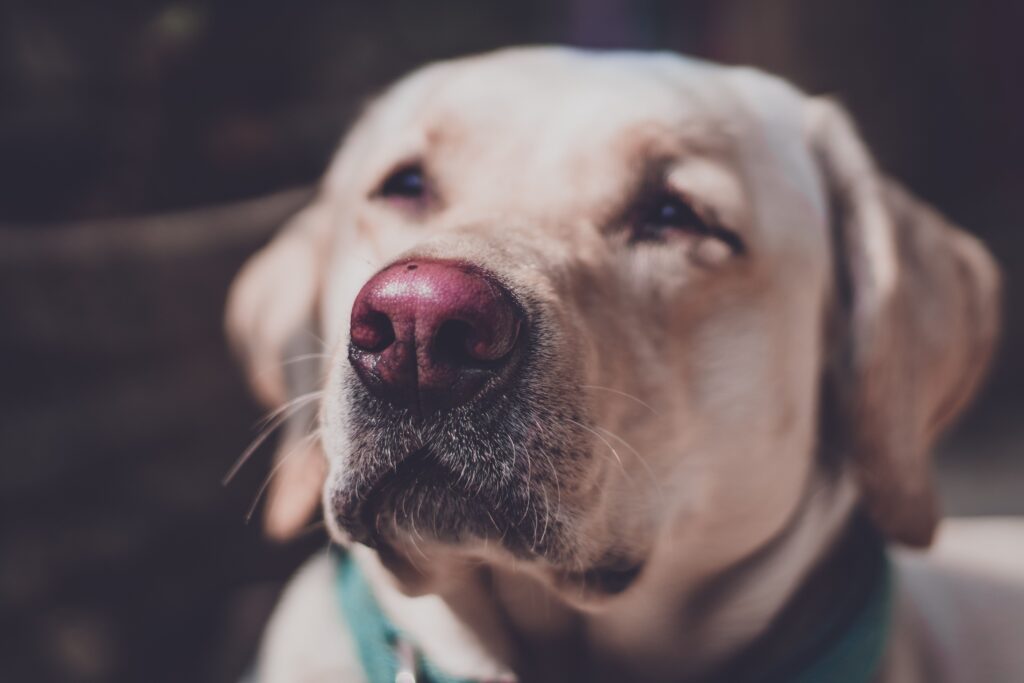
The journey begins with a wiggly puppy, full of curiosity and energy. These young canines are often chosen for their temperament and intelligence. Their adventure starts in loving homes where they experience early socialization.
During this stage, puppies learn basic commands like sit, stay, and come. Handlers introduce them to various environments, busy streets, parks, and public transport. This exposure helps the pups grow accustomed to different sights and sounds.
Puppies also develop essential skills such as leash walking and house training. Positive reinforcement plays a crucial role here; treats and praise motivate them to learn quickly.
Social interactions with other dogs are equally important. They play together at puppy classes or during outings, building confidence while honing their communication skills.
A strong foundation is key during these formative months. Each lesson learned prepares them for the rigorous training that lies ahead on their path to becoming guide dogs.
Advanced Training and Matching with a Partner
Once a guide dog completes puppyhood, the journey enters a critical phase. Advanced training begins, focusing on refining skills and introducing complex scenarios.
During this stage, dogs learn to navigate urban environments. They encounter busy streets, public transport, and various distractions. Each experience is crucial for building confidence and expertise.
Simultaneously, trainers assess each dog’s temperament and abilities. This assessment helps identify the right match with a future partner. Compatibility is essential; it ensures both can bond effectively.
Matching involves understanding the unique needs of potential handlers too. Some may require specific assistance based on their lifestyle or vision loss level.
When the right pair comes together, magic happens. The connection formed in training sets the foundation for independence and partnership in everyday life.
Life as a Working Guide Dog
Life as a working guide dog is a unique combination of purpose, companionship, and responsibility. These remarkable animals do not just assist their human partners; they form deep bonds that enhance the lives of both.
Every day begins with excitement. Guide dogs wake up eager to go on adventures with their handlers. They navigate bustling streets, crowded stores, or quiet parks all while keeping their humans safe and secure. Their keen instincts kick in during various situations, allowing them to detect obstacles like curbs or stairs before their partner even sees them.
Training has prepared these dogs for numerous scenarios. Whether it’s finding the nearest bus stop or avoiding potential hazards, they are always alert and focused. This consistent vigilance fosters trust between the dog and handler, an unspoken connection where reliance is mutual.
However, life isn’t all about work. When off duty, many guide dogs enjoy playtime and relaxation just like any other pet. From playing fetch at home to enjoying leisurely walks in the park without their harnesses on they cherish moments of freedom too.
Through challenges faced daily by visually impaired individuals, guide dogs offer support beyond navigation; they provide emotional comfort as well. With wagging tails and gentle nudges at times when needed most their presence can uplift spirits tremendously.
The journey from puppyhood to partnership transforms both dog and human into an inseparable team ready to face whatever comes next together, a testament to loyalty that transcends mere function into true friendship.








Leave a comment