






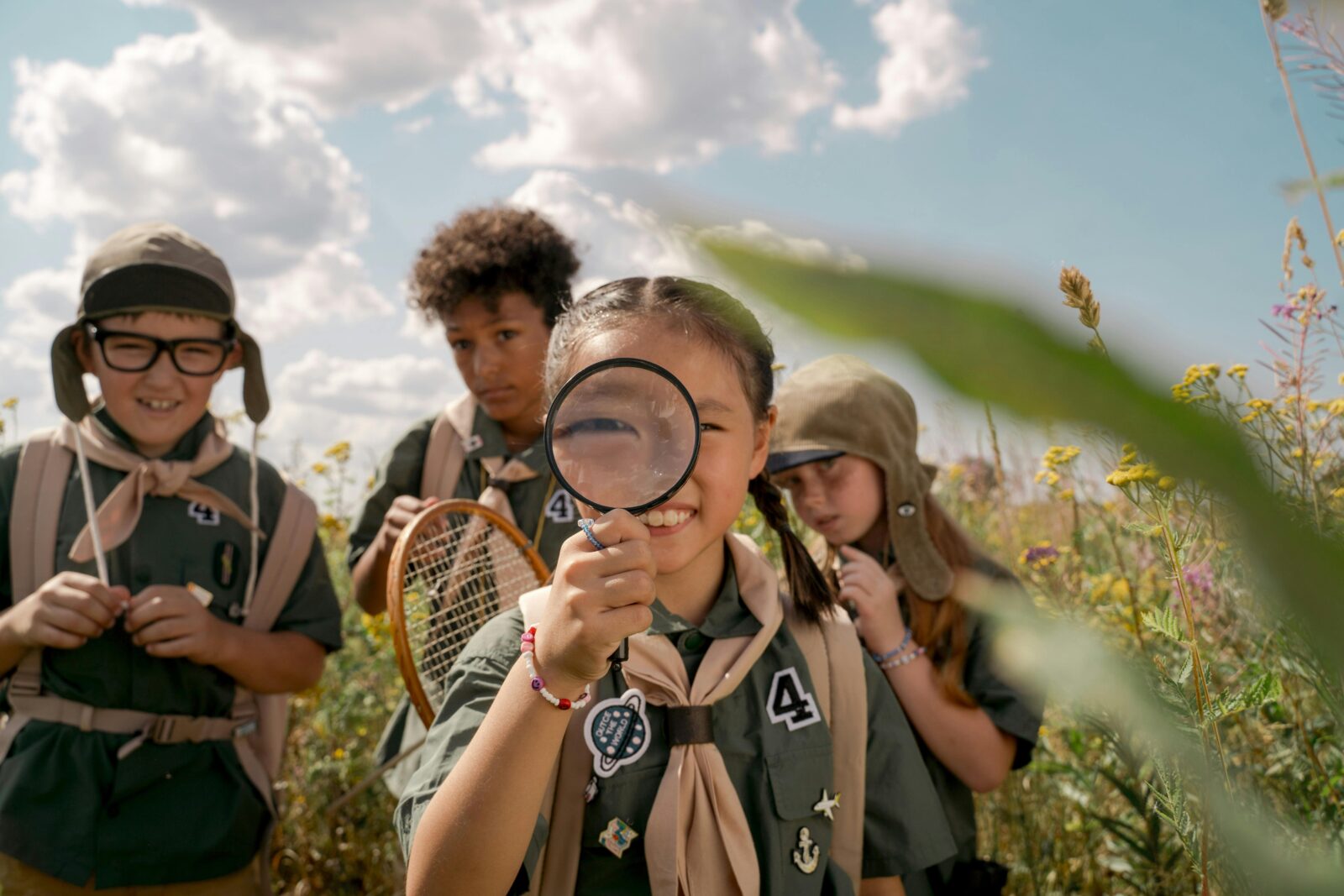
Adventure awaits just beyond the classroom walls. Imagine a learning environment where textbooks are traded for treetops, and lectures transform into exhilarating experiences. Adventure-focused learning is not merely an educational trend; it’s a powerful approach that fosters curiosity, resilience, and collaboration among students.
School camps present the perfect opportunity to introduce this dynamic form of education. Here, students step outside their comfort zones and engage with nature while developing essential life skills. The hands-on experiences they encounter during these adventures leave lasting impressions that traditional classrooms often struggle to replicate.
Let’s embark on a journey exploring how school camps can reshape education through adventure-focused learning!
The Impact of School Camps on Students’ Learning and Personal Growth
School camps serve as transformative experiences for students, bridging the gap between traditional learning and real-world application. Surrounded by nature, children engage in activities that spark curiosity and foster creativity.
The hands on educational school camps approach encourages collaboration among peers. Students learn to communicate effectively while solving challenges together. These interactions build essential teamwork skills that will benefit them in future endeavors.
Additionally, stepping outside their comfort zones promotes personal growth. Pushing limits through adventure fosters resilience and boosts self-confidence.
Students often return from these trips with a renewed sense of independence and responsibility—a vital aspect of maturing into well-rounded individuals. The memories created during school camps linger long after the experience ends, shaping perspectives on life itself.
Engaging in diverse activities instills a love for exploration, encouraging lifelong learning beyond classroom boundaries. The impact is profound, resonating throughout their academic journey and shaping who they become as adults.
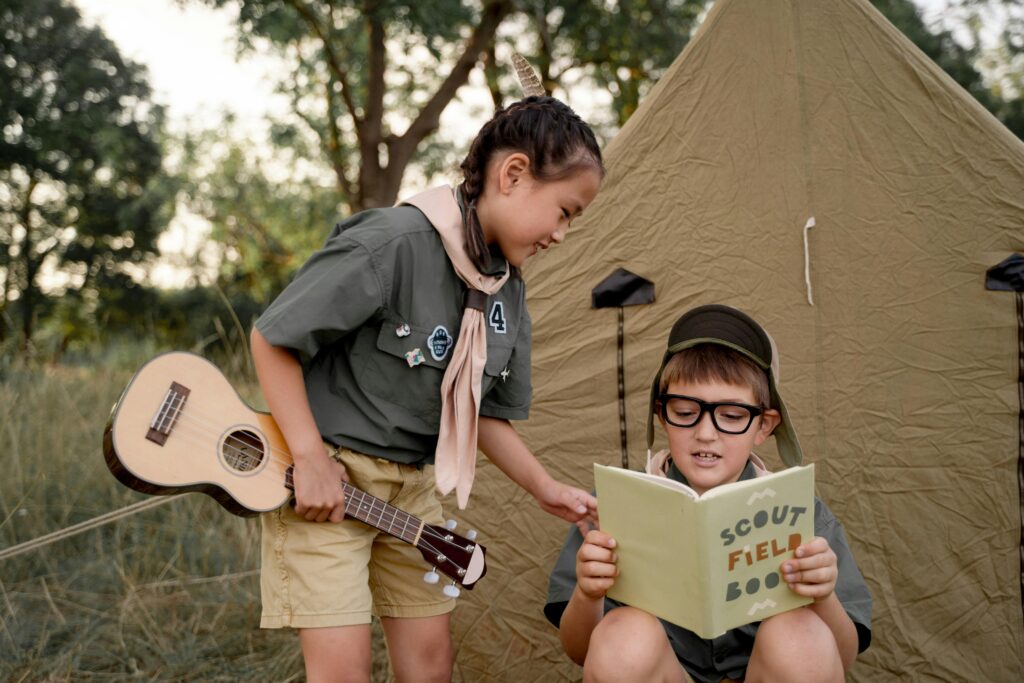
Examples of Adventure Focused Activities at School Camps
School camps offer a treasure trove of adventure-focused activities that spark curiosity and foster teamwork. Imagine students navigating through an obstacle course, learning to rely on one another for support. These physical challenges not only build strength but also trust among peers.
Campfire storytelling is another captivating activity. Under the stars, students unleash their creativity, sharing tales that reflect personal experiences or pure imagination. This nurtures communication skills in a relaxed setting.
Nature hikes invite exploration of local ecosystems. Students can identify plants and wildlife while developing an appreciation for nature’s beauty.
Rock climbing provides thrills as well as life lessons about perseverance and facing fears head-on. Each ascent boosts confidence, leaving lasting memories.
Canoeing teaches coordination and cooperation across serene waters, allowing friendships to deepen through shared challenges and laughter during adventures on the lake or riverbank.
Benefits of Hands-On Experiences in Education
Hands-on experiences in education unlock a world of possibilities for students. Engaging directly with materials and situations cultivates deeper understanding. It’s one thing to read about ecosystems; it’s another to explore them firsthand.
When students actively participate, they often retain information better. The act of doing reinforces learning like nothing else can. This active engagement ignites curiosity and encourages critical thinking.
Moreover, hands-on activities foster collaboration among peers. Working together on projects builds teamwork skills that are invaluable later in life. Students learn to communicate ideas and navigate challenges as a group.
Additionally, these experiences boost confidence. As learners conquer new tasks, they gain a sense of achievement that propels them forward academically and personally.
By incorporating hands-on experiences into education, schools create dynamic environments where exploration leads to genuine growth and discovery.
How Schools Can Incorporate Adventure Focused Learning into Their Curriculum
Adventure focused learning can be seamlessly integrated into school curricula in various ways. Schools can start by organizing regular outdoor activities that align with academic subjects. Nature walks tied to science lessons about ecosystems or historical reenactments in local parks can deepen students’ understanding while keeping them engaged.
Incorporating project-based learning is another effective strategy. Students could work on community service projects, such as creating a garden or cleaning up a local area, allowing them to apply their skills in real-world scenarios. These hands-on experiences not only enhance critical thinking but also foster teamwork and leadership abilities.
Collaboration with local adventure companies for workshops or field trips is also beneficial. Activities such as rock climbing, kayaking, or team-building exercises provide unique opportunities for personal growth and resilience building outside the classroom environment.
Teachers play a crucial role too. They should encourage exploration and creativity within their lesson plans, making room for spontaneous adventures that arise during discussions or school events.
Embracing technology can further enrich this approach. Virtual reality simulations of historical events or interactive programs showcasing different cultures allow students to experience diverse perspectives without leaving campus.
Integrating adventure focused learning creates well-rounded individuals who are better prepared for the challenges ahead—both academically and personally. The key lies in embracing these experiences fully so that education becomes an exciting journey rather than just a destination.










Leave a comment