






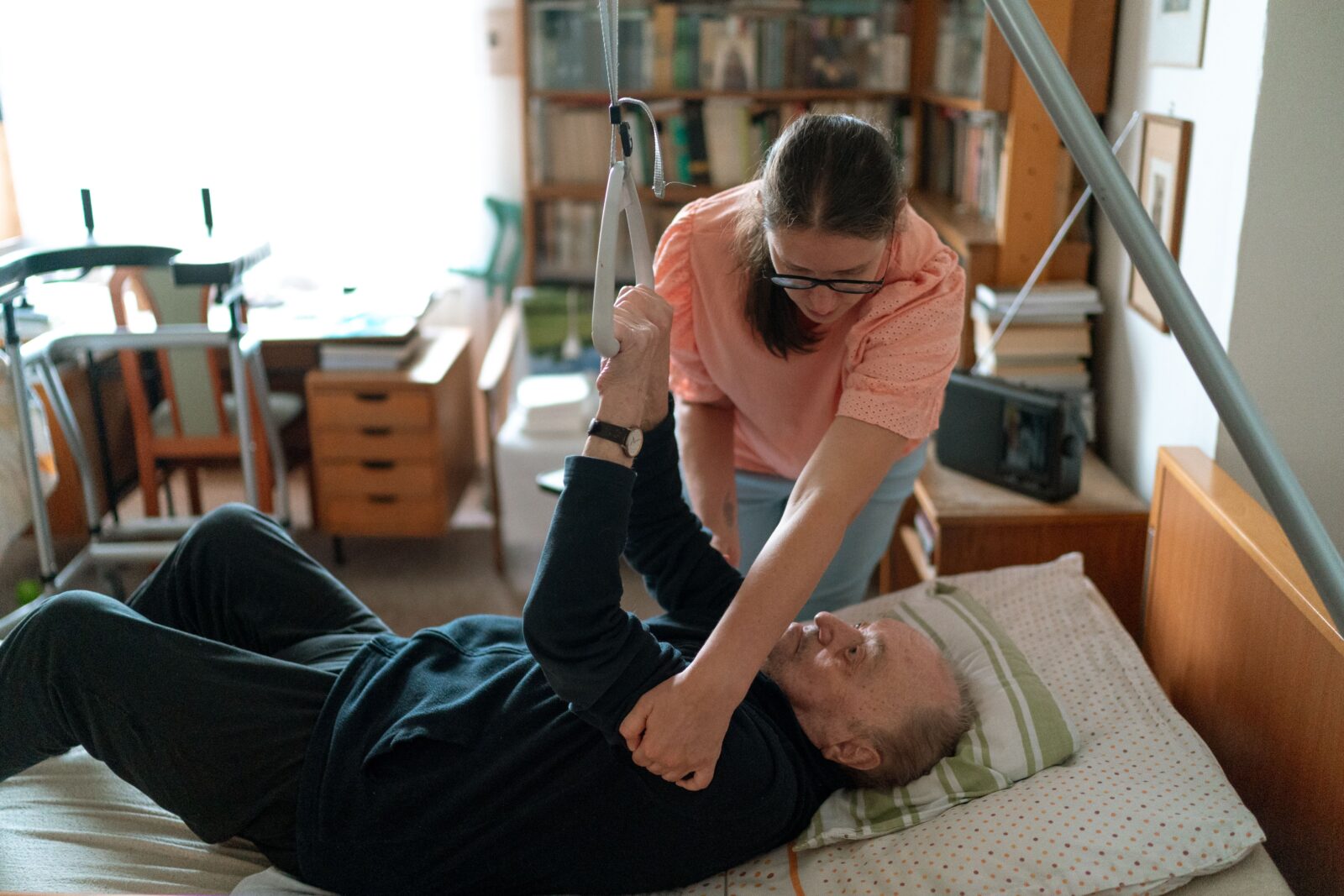
When it comes to patient care, safety and comfort are paramount. One essential tool that can make a significant difference in transferring patients is the standing hoist. Whether you’re a caregiver, healthcare professional, or family member assisting someone with mobility challenges, understanding how to choose the right standing hoist is crucial.
These devices not only help facilitate transfers but also promote independence and dignity for those who need support. With so many options available on the market today, selecting the best one might feel overwhelming. But don’t worry! We’re here to guide you through this process step by step. Let’s dive into what makes a standing hoist truly effective and how you can ensure safe transitions for your loved ones or patients.
Understanding the Need for a Standing Hoist in Patient Transfers
Transferring patients can be a delicate process, especially for those with limited mobility. A standing hoist serves as an invaluable tool in these situations. It provides the necessary support to lift and move individuals safely.
Many caregivers face physical strain during transfers, risking injury to themselves or their patients. A standing hoist alleviates this burden by distributing weight evenly, ensuring that the patient is lifted securely and comfortably. Solutions such as the standing hoist enable lifecare range are designed to support safer and more efficient patient transfers.
Moreover, using a standing hoist promotes dignity. Patients often feel more empowered when they can participate actively in their transfers rather than being entirely dependent on others.
Additionally, these devices can enhance safety by minimizing falls during transitions. With proper use of a standing hoist, both caregiver and patient experience greater peace of mind throughout the transfer process.
Understanding these factors highlights why investing in a quality standing hoist is essential for effective patient care.

Factors to Consider When Choosing a Standing Hoist
Choosing the right standing hoist involves several key factors. First, assess the patient’s weight and height. Different models support varying capacities, so ensure a proper fit for safety.
Next, consider the hoist’s ease of use. Look for features like adjustable arms and intuitive controls that can accommodate caregivers of all experience levels. A model with smooth maneuverability will simplify transfers in tight spaces.
Another crucial aspect is portability. If you plan to move the hoist between locations, opt for a lightweight design or one with wheels for easy transport.
Review any additional features such as padding or sling options. Comfort during transfers can significantly affect patient experience and compliance in therapy sessions. Taking these considerations into account helps ensure you select an effective standing hoist tailored to your specific needs.
How to Properly Use a Standing Hoist
Using a standing hoist correctly is essential for both patient safety and comfort. Start by assessing the patient’s needs. Ensure they are aware of the process to foster trust.
Position the hoist close to the patient, ensuring it’s stable on a flat surface. Securely attach the sling around them, checking that it fits snugly but isn’t too tight. The right sling can make all the difference in ease and safety.
When lifting, engage slow and smooth movements. Raise gently until your feet are shoulder-width apart for better stability during transfers. Always communicate with your patient throughout, letting them know what will happen next.
Lowering should be just as careful; guide them slowly into their new position or chair. Regular checks on equipment functionality help maintain safety standards over time while using this device properly enhances its effectiveness in care settings.
Maintenance and Safety Tips for Standing Hoists
Regular maintenance is crucial for the safety and efficiency of standing hoists. Always inspect the device before each use. Check for any signs of wear or damage, particularly on straps, harnesses, and batteries.
Keep all moving parts clean and well-lubricated to ensure smooth operation. This prevents unnecessary strain on components during patient transfers.
Training staff properly is essential. Everyone involved in using the hoist should understand its functions and limitations to minimize risk during transfers.
Establish a routine inspection schedule to identify potential issues early. Document any repairs or adjustments made; this helps maintain accountability.
Always adhere to manufacturer guidelines regarding weight limits and usage conditions. Proper adherence ensures both patient safety and equipment longevity, creating a more secure environment for everyone involved in care scenarios.
Benefits of Using a Standing Hoist in Patient Care
Choosing the right standing hoist can significantly enhance patient care. These devices are designed to provide safe and efficient transfers, reducing the strain on both caregivers and patients.
One of the foremost benefits is improved mobility for patients. Standing hoists allow individuals who may have limited strength or balance to stand safely during transfers. This promotes independence and dignity while also ensuring that they receive necessary support.
Additionally, using a standing hoist minimizes the risk of injury for caregivers. Manual lifting can lead to physical strain over time, but with a proper hoist in place, caregivers can assist without excessive exertion. This not only protects their health but ensures better quality care for patients.
Standing hoists also facilitate better communication between patients and caregivers during transfers. When a patient is upright, they are more engaged and able to interact effectively with those assisting them.
Moreover, these devices often come equipped with features that cater specifically to individual needs such as adjustable height settings or supportive straps which contribute further to safety measures in patient handling.
Incorporating standing hoists into caregiving routines offers numerous advantages enhancing safety, efficiency, and overall well-being for both parties involved in patient care.









Leave a comment