






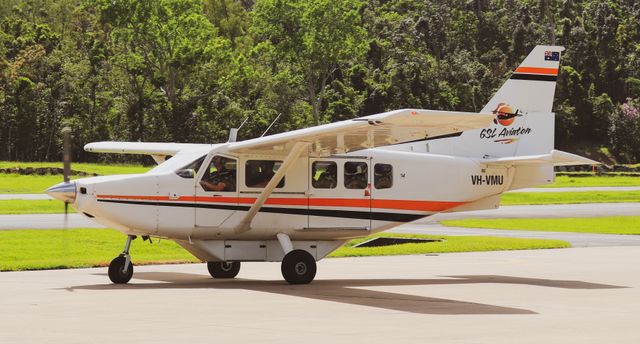
The Australian used aircraft market is a far cry from being as transparent as property or vehicle sales. That is a bit ironic given that it involves the same kind of financial commitment and a whole lot more red tape. Inventory is dwindling, and when people do bring their planes to market they’re commanding some pretty hefty prices, especially if they’re in good nick. All of this puts buyers at a bit of a disadvantage, especially those who aren’t prepared. Not being prepared can cost a lot more than you might immediately think.
What the Market Actually Looks Like at the Moment?
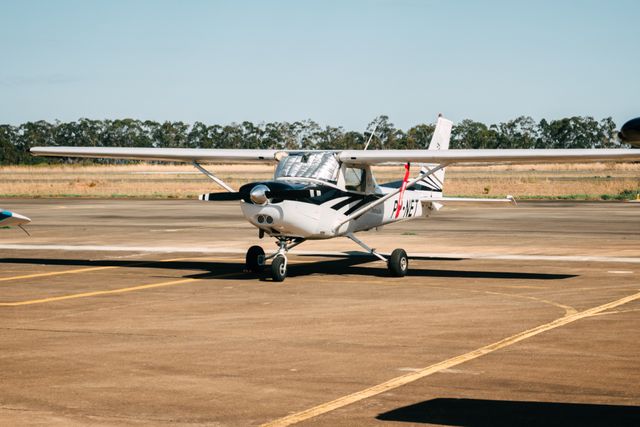
Piston singles are where most people start, and the market is dominated by the likes of Cessna 172s, Piper Cherokees, and Beechcraft Bonanzas. If you’re looking at buying one of these, it’s currently going to cost you anywhere from $55,000 right up to the high six figures, depending on the avionics and engine hours. The more tricked-out models come in at a pretty penny. That is a lot more than it used to be, even just five years ago. Helicopters are another ball game, with Robinson R44S being something of a popular choice. At the top end of the market, jets and turboprops attract business operators keen to get to their regional properties and mine sites with reliable air transport. Year on year we’re seeing a drop in the number of used aircraft on the market. That means if you are looking for a good one, you won’t be the only one. It seems like that trend is going to continue.
The Platforms Buyers Use
Aviation Trader is still the place to go if you want all of the info in one spot. It features everything from piston singles to turboprops and agricultural aircraft, plus listings from both dealers and private sellers. PlaneSales and Light Aircraft Sales cater to smaller segments, with a bit more of a focus in some areas than others. Serious buyers make a point of looking at all three rather than putting all their eggs in one basket. If you are looking to spend a pretty penny on a turboprop or a jet, you will probably need to get in touch with a specialist broker. Airflite have been around for over 40 years and is the go-to for high-value transactions. They can help with aircraft valuations, arrange a pre-purchase inspection, and sort out the escrow process.
Understanding CASA Registration and Airworthiness Requirements
You can’t sell an aircraft in Australia without a current Certificate of Airworthiness from CASA. That’s just how it is. For people new to the whole thing, that might seem a bit unnecessary. Trust me, it is not. Importing an aircraft adds a whole other level of complexity around things like type acceptance. There are also experimental homebuilders who operate under a separate system altogether. A Certificate of Airworthiness tells you the aircraft met the minimum standards at the time of the last inspection for aircraft for sale Australia. It won’t tell you anything about whether the aircraft is actually in good nick today. Getting an independent engineer to inspect the aircraft before you buy is not just a good idea. It’s the only way you are going to be sure the aircraft is as good as it looks. It is not uncommon for there to be big differences between what the paperwork says and what the actual inspection reveals. Your best bet is to assume that any aircraft purchase is going to be a bit of a gamble until an independent engineer gives it the thumbs up.
The Real Cost Calculation Beyond Purchase Price
Purchase price is what most buyers focus on. It’s just the tip of the iceberg when it comes to the long-term expenses you can expect to run up. For most of us who aren’t too particular about crunching the numbers, purchase price is actually the smallest part of the cost of owning an aircraft. Annual costs include hangarage fees, and they can set you back anything from $10,000 to $30,000 per year, depending on where you’re flying and the size of your aircraft. That’s just the beginning. There is also insurance, mandatory maintenance checks, keeping your avionics up to date, and tracking the hours on your engine. Light sport aircraft are a lot more budget-friendly. They also come with some big limitations, such as not being able to fly into controlled airspace.
The Engine Overhaul Conversation You Should Be Having a Lot Earlier
Engine hours are what most buyers are looking at. They’re not the whole story. You also need to consider the TBO, Time Between Overhaul, and what the manufacturer says about on-condition operation. A Lycoming or Continental engine with 1,500 hours of life left in the tank is a whole lot more appealing than one with only 200 hours remaining. Both of them might still be described as simply ‘in service’. There is also the cost of a major engine overhaul, generally in the order of $30,000 to $60,000 for one of the common piston singles. If you don’t factor that into your purchase price, you’re not getting a true picture of what you’re paying for.
Private vs Broker, How Aircraft Get Sold in Australia
Private sales are the norm down at the lower end of the market. When it comes to the high-end stuff, turboprops, jets and helicopters, that’s when the specialist brokers come in. When you’re buying from a private seller, it’s up to you to do all your due diligence. That means verifying the maintenance records, engine hours, modification history, and everything else. You can’t just take the seller’s word for it. Don’t be fooled by words like ‘always hangared’ and ‘meticulously maintained’. They mean nothing without the logbooks and an engineer’s inspection to back them up.
Financing, GST and the Tax Implications Buyers Usually Miss
In Australia, buying an aircraft is subject to GST. If you’re a business owner, you may be able to claim that back as an input tax credit. What that means in practice depends on how the transaction is structured. Aircraft financing is different from car financing. The loan terms and value ratios are all different. There are also extra costs and duties if you’re importing an aircraft from overseas. Currency fluctuations can make the final price even more expensive. I’ve seen more than one first-time buyer get caught out by the difference in the AUD/USD exchange rate between the time they put down their deposit and the time the aircraft arrives.







Leave a comment