







If you’ve ever experienced persistent pain or discomfort that just doesn’t seem to fade, you’re not alone. Many people struggle with chronic conditions that affect their daily lives. Fortunately, advancements in medical technology have paved the way for innovative treatments like shockwave physiotherapy. This non-invasive therapy is gaining popularity among both patients and healthcare professionals alike. But what exactly is it? And when might it be recommended for you? Let’s dive into the fascinating world of shockwave therapy and explore how it can help you reclaim a pain-free life.
What is Shockwave Therapy and How Does it Work?
physio for shockwave is a non-invasive treatment that uses acoustic waves to promote healing. These sound waves penetrate deep into the tissues, stimulating cellular repair and regeneration.
The process begins with a device that emits high-energy shockwaves directed at the affected area. This interaction encourages blood flow, enhancing circulation and reducing inflammation.
Patients often experience immediate pain relief as the therapy disrupts pain signals sent to the brain. The body responds by triggering its natural healing processes, which can lead to long-lasting improvements.
Typically used for musculoskeletal issues, this innovative approach has gained popularity among athletes and individuals seeking alternatives to surgery or medication. The session usually lasts around 15-20 minutes and may require multiple treatments for optimal results.
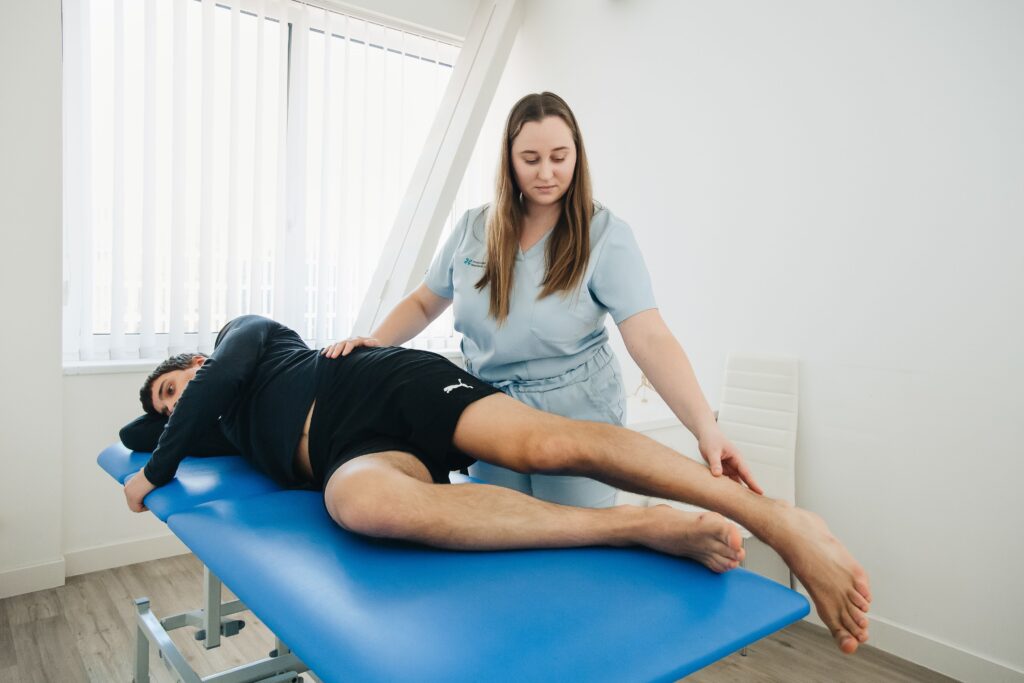
Conditions Treated with Shockwave Therapy
Shockwave therapy is versatile, effectively addressing various musculoskeletal conditions. It’s particularly beneficial for chronic pain in tendons and ligaments.
Commonly treated issues include plantar fasciitis, a painful foot condition affecting the heel. Patients often find relief as shockwaves stimulate healing.
Tennis elbow and golfer’s elbow are other prevalent ailments where this therapy shines. The sound waves promote blood flow, easing inflammation and discomfort.
Shoulder tendinopathy can also respond well to treatment. Many individuals experience improved mobility after just a few sessions.
Achilles tendonitis is another condition that sees positive outcomes with shockwave therapy. This non-invasive approach aids recovery without surgery or extensive downtime.
Stress fractures and certain types of arthritis may benefit from this innovative treatment method too. Each condition showcases the potential of shockwave therapy in enhancing quality of life through targeted care.
Benefits of Shockwave Therapy
One of the most significant benefits of shockwave therapy is its ability to promote healing. It stimulates blood flow, which accelerates tissue repair and regeneration.
Patients often report reduced pain after just a few sessions. The sound waves work deeply within the tissues, targeting areas that are difficult to reach through traditional methods.
Another advantage is that it’s non-invasive. Unlike surgery or injections, shockwave therapy requires no downtime. This means you can resume your daily activities almost immediately.
Moreover, this treatment can be used for various conditions, making it versatile. From tendonitis to plantar fasciitis, many have found relief where other treatments fell short.
Patients appreciate that side effects are minimal compared to more invasive procedures. This makes shockwave therapy an attractive option for those seeking effective pain management without extensive recovery times.
Common Misconceptions about Shockwave Therapy
Shockwave therapy has garnered attention for its innovative approach to pain management and rehabilitation. However, several misconceptions often cloud the understanding of this treatment.
Many people assume that shockwave therapy is only suitable for athletes or those with serious injuries. In reality, it can benefit anyone dealing with chronic pain conditions, regardless of their activity level. Another common myth is that the treatment is extremely painful. While some patients may experience mild discomfort during sessions, most find the sensation tolerable and worth the relief they gain afterward.
Some also believe that shockwave therapy offers immediate results. Though many patients report significant improvement within a few sessions, it’s essential to understand that individual responses vary based on specific conditions and overall health.
There’s confusion surrounding safety concerns. Shockwave therapy is generally considered safe when performed by trained professionals. It’s non-invasive and carries minimal risks compared to surgical interventions or long-term medication use.
By debunking these myths, individuals can make more informed decisions about incorporating shockwave physiotherapy into their recovery plans.










Leave a comment