






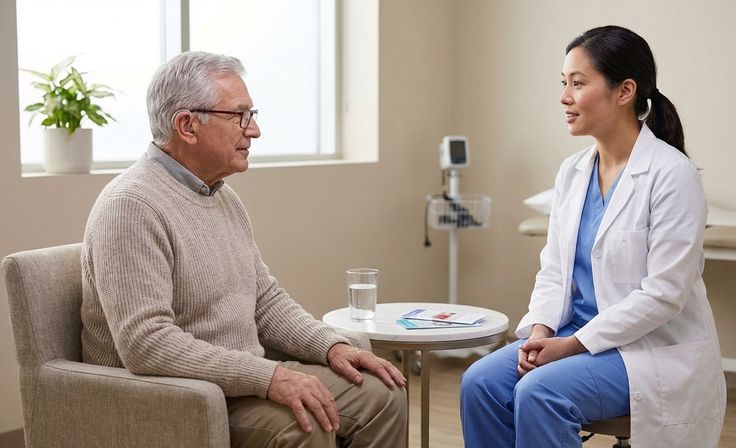
Life after rehabilitation can feel like stepping into a new world. The journey to recovery is challenging, but the real test often begins when you return home. As you navigate daily life, it’s essential to focus on building healthy habits that will support your newfound freedom and well-being.
However, transitioning back into everyday routines can be daunting. There are hurdles to overcome and choices to make that could either propel you forward or pull you backward. But don’t worry—this post is here to guide you through this crucial phase of your life.
Let’s explore how understanding the rehabilitation process sets the stage for success, tackle common challenges faced after rehab, and discover why cultivating healthy habits matters more than ever before. With determination and the right strategies in place, building a fulfilling life after rehabilitation is not just possible; it’s within reach!
Understanding the Rehabilitation Process
Drug and Alcohol Rehab is a journey tailored to individual needs. It goes beyond treatment; it’s about reshaping your life. The process typically begins with assessment, identifying the areas that need focus.
Next comes the implementation of personalized plans. These often include therapy sessions, medical support, and coping strategies. Each element works in harmony to address both physical and emotional challenges.
Throughout rehabilitation, progress might feel slow at times. This is normal and part of the healing process. Celebrating small victories can provide motivation when setbacks occur.
Support from professionals plays a crucial role in this phase. They guide you through obstacles while offering encouragement along the way.
Understanding what rehabilitation entails helps to set realistic expectations for life afterwards. Awareness fosters resilience as you learn new skills and adapt healthier routines moving forward.

Challenges Faced After Rehabilitation
Life after rehabilitation can often feel overwhelming. Many individuals face a whirlwind of emotions as they adjust to their new reality. The excitement of newfound freedom may soon be shadowed by anxiety and uncertainty.
One significant challenge is managing triggers that might lead back to old habits. Environments, social circles, or even daily routines can stir up cravings and temptations. Navigating these situations requires vigilance and resilience.
Isolation is another hurdle many encounter. Friends who once supported them may drift away or struggle to understand the changes in behavior or mindset. This sense of loneliness can exacerbate feelings of vulnerability.
Moreover, establishing a routine becomes essential but difficult for those adjusting post-rehabilitation. It takes time and effort to develop healthy practices while steering clear of familiar pitfalls that threaten recovery. Finding balance isn’t just about avoiding substances; it’s also about embracing a fulfilling life ahead.
The Importance of Building Healthy Habits
Building healthy habits is crucial for long-term recovery. They serve as the foundation upon which a fulfilled life can be constructed. Healthy habits create stability and predictability in daily routines, making it easier to navigate challenges.
When you establish positive behaviors, you’re not just filling your time; you’re actively investing in your well-being. This investment fosters resilience against triggers or cravings that may arise unexpectedly.
Moreover, healthy habits enhance mental clarity and emotional balance. Activities like journaling or meditation provide an outlet for reflection and self-awareness.
Creating these patterns also encourages social connections through shared activities such as cooking nutritious meals together or participating in group fitness classes. These interactions reinforce support networks essential for maintaining progress after rehabilitation.
The journey of building new habits might feel daunting at first, but small steps lead to significant changes over time. Each choice counts toward crafting a healthier lifestyle filled with possibilities.
Finding Support and Accountability
Building a new life after rehabilitation can feel daunting. Finding the right support system is crucial during this transition. Surrounding yourself with people who understand your journey makes all the difference.
Consider joining local support groups or online communities where others share similar experiences. Engaging with those who have traveled similar paths fosters connection and hope.
Accountability partners can also play a pivotal role. This could be a friend, family member, or even a counselor who checks in regularly to encourage you on tough days. Having someone to celebrate victories and navigate challenges alongside you helps reinforce positive changes.
Don’t hesitate to seek professional help if needed, too. Therapists and coaches offer valuable insights that empower personal growth and resilience. In this process of healing, remember: you’re not alone; there are people ready to walk beside you through every step forward.
Incorporating Physical Activity and Nutrition
Incorporating physical activity and nutrition into your daily routine is vital for long-term success after rehabilitation. Regular exercise not only strengthens the body but also enhances mental health. Finding activities you enjoy makes it easier to stay active. Whether it’s walking, yoga, or dancing, movement can be fun.
Nutrition plays a crucial role too. Eating well fuels your body and mind. Focus on whole foods like fruits, vegetables, lean proteins, and whole grains. These choices help stabilize mood and energy levels.
Start small with manageable goals in both areas. Maybe aim for a 20-minute walk each day or try cooking one new healthy recipe weekly. Celebrate these milestones along the way—they matter.
Remember to listen to your body as you progress through this journey of building healthy habits together with newfound routines that support recovery while embracing life’s challenges head-on!










Leave a comment