






When it comes to protecting your home, the roof often takes center stage. It’s our first line of defense against the elements, shielding us from rain, wind, and snow. But did you know that one of the unsung heroes in this battle is lead flashing? This seemingly minor component plays a crucial role in keeping water at bay and preventing costly damage. If you’ve ever wondered how lead flashing works or why it’s essential for your roof’s longevity, you’re in the right place. Let’s dive into all things lead flashing and discover how it can safeguard your home from unwanted moisture intrusion!
The Importance of Lead Flashing for Your Roof
lead roofing specialist sydney plays a crucial role in roofing systems. It acts as a barrier that protects vulnerable areas where different materials meet. These intersections are often prone to leaks if not properly sealed.
Using lead for flashing is beneficial because it’s malleable and can easily conform to various shapes. This adaptability ensures comprehensive coverage, minimizing potential gaps where water could seep through.
Moreover, lead has excellent durability. It withstands harsh weather conditions better than many alternatives. Whether it’s rain, snow, or extreme heat, lead remains resilient over time.
This longevity translates into less frequent repairs or replacements. Homeowners appreciate the cost-effectiveness of investing in quality materials like lead flashing for long-term protection against water damage.
In essence, proper installation of lead flashing is essential for safeguarding your roof’s integrity and enhancing its lifespan.
How Lead Flashing Protects Against Water Damage
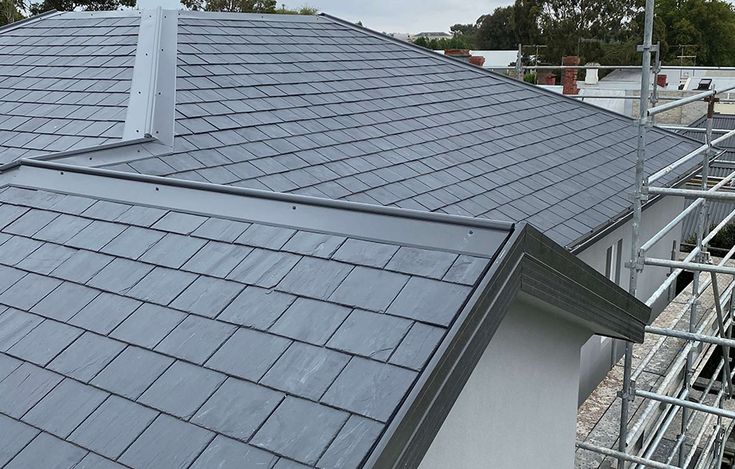
Lead flashing plays a crucial role in safeguarding your roof from potential water damage. Its flexible nature allows it to adapt to the contours and movements of your roof, creating a watertight seal. This adaptability is key when facing harsh weather conditions.
When rainwater flows over roofing materials, it can seep into seams and joints. Lead flashing effectively diverts this moisture away from vulnerable areas such as chimneys, wall junctions, and valleys. By channeling water off these critical points, lead flashing minimizes the chances of leaks developing inside your home.
Additionally, lead’s corrosion resistance adds another layer of protection against rust and decay. Unlike other materials that may degrade over time or require frequent replacement, lead maintains its integrity for decades when properly installed.
Ensuring proper installation means fewer worries about hidden leaks or extensive repairs down the line. With effective lead flashing in place, you can trust that your roof will stand strong against water intrusion challenges.
Signs of Water Damage on Your Roof
Water damage can be a silent enemy, often masked until it’s too late. One of the first signs to watch for is discoloration on your ceiling or walls. Yellowish stains typically indicate moisture intrusion.
Another telltale sign is peeling or bubbling paint. This usually happens when water seeps in and disrupts the surface layer, leading to unsightly blemishes.
If you notice mold growth inside your home, that’s a major red flag. Mold thrives in damp environments and can pose serious health risks.
Outside, inspect your roof for cracked or missing shingles. These vulnerabilities allow water to penetrate deeper into your roofing system.
Don’t forget about the gutters! Clogged gutters can overflow and cause water to pool near your foundation, an indirect but damaging effect of roof issues. Keeping an eye out for these symptoms will help protect your home from extensive repairs down the line.
Maintenance and Repair Tips for Lead Flashing
Taking care of lead flashing is essential for ensuring its longevity and effectiveness. Regular inspections can help you catch potential issues before they escalate. Look for any signs of wear or damage, such as cracks, corrosion, or loose sections.
If you notice small holes or tears in the flashing, a simple patch may suffice. Use a lead solder to seal these areas properly. For larger damages or if the flashing has come loose from your roof, it’s best to consult with a professional roofing contractor who can assess the situation safely.
Cleaning your lead flashing periodically will also enhance its lifespan. Remove debris like leaves and dirt that could trap moisture against the metal surface. A gentle wash with water should do the trick; avoid harsh chemicals that might cause further deterioration.
Remember that weather conditions play a role too. Extreme temperatures can affect lead’s integrity over time, so keeping an eye on how your local climate impacts your roof is wise.
Being proactive about maintenance not only protects your investment but ensures peace of mind knowing your roof remains secure against water damage hazards.








Leave a comment