






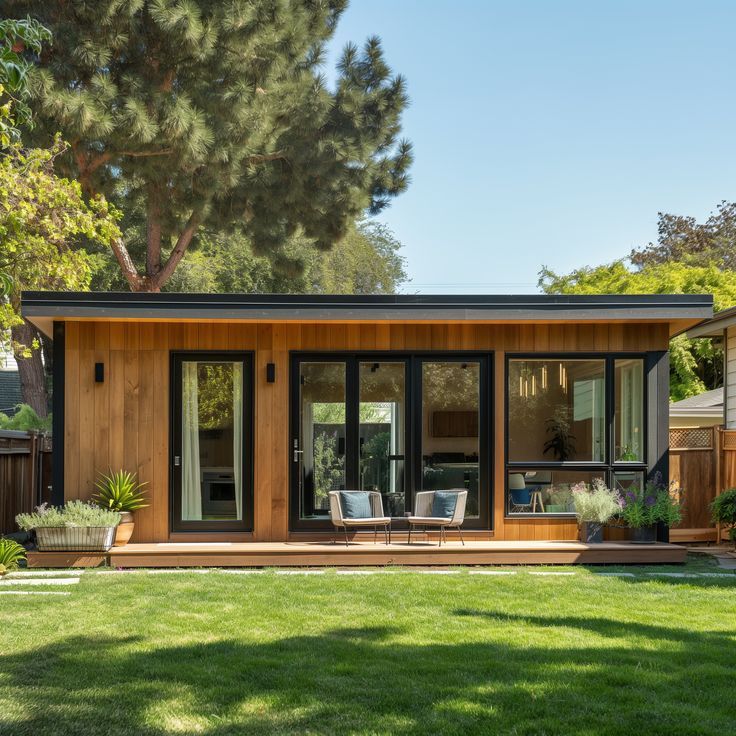
Granny flats are more than just a trend; they’re a versatile solution for modern living. These self-contained spaces can serve as guest houses, rental units, or cozy retreats for family members. But how do you decide the right size for your granny flat? With so many options available, it’s easy to feel overwhelmed. Whether you envision a compact studio or a spacious two-bedroom unit, choosing the perfect dimensions is crucial to maximizing functionality and comfort. Let’s explore what makes these charming homes so appealing and dive into key factors that will help you find the ideal size for your needs.
What is a Granny Flat?
A granny flat is a small, self-contained living space typically located on the same property as a larger home. Often referred to as an accessory dwelling unit (ADU), these units can be designed for various purposes, with many homeowners relying on experienced second dwelling builders to bring their ideas to life.
Traditionally, they provide housing for aging parents or relatives—hence the name. However, their versatility extends beyond that. They serve as guest accommodations, rental properties, or even creative workspaces.
Granny flats come in many styles and sizes, from cozy studios to more spacious two-bedroom designs. Their independent amenities usually include a kitchen and bathroom facilities.
As urban living becomes more complex, granny flats offer practical solutions for space shortages without sacrificing comfort or privacy. With thoughtful design and planning, they blend seamlessly into existing properties while enhancing functionality.
Benefits of Building a Granny Flat
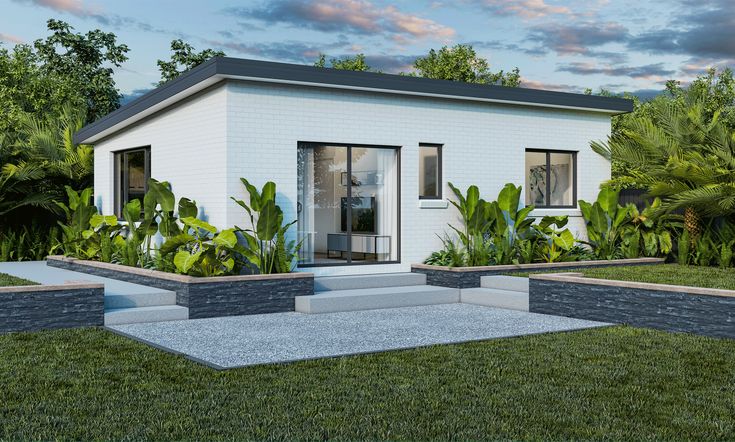
Building a granny flat offers numerous advantages for homeowners. First and foremost, it provides additional living space that can accommodate family members or guests comfortably.
This extra dwelling can also serve as a great source of rental income. With property prices rising, many are turning to granny flats as an effective investment strategy.
Another benefit is the increased property value. A well-designed granny flat enhances your home’s appeal on the market, making it more attractive to potential buyers.
Moreover, these units promote multi-generational living. Family members can stay close while enjoying their own privacy and independence.
Building a granny flat encourages sustainable living. It allows you to utilize existing land efficiently without requiring extensive new construction projects elsewhere.
Factors to Consider When Choosing the Size
Choosing the right size for your granny flat involves several important factors. Start by considering how many people will occupy the space. More occupants may require a larger layout.
Next, think about the purpose of the granny flat. Will it serve as a guest suite, an office, or perhaps a rental unit? Each function demands different spatial needs.
Also factor in your available land area. The dimensions of your property can significantly affect what is feasible.
Don’t overlook local regulations and zoning laws either; they often dictate minimum and maximum sizes for secondary dwellings.
Budget plays a crucial role. Larger flats typically incur higher construction and maintenance costs. Balancing these elements will help you find the perfect size to suit both lifestyle and financial considerations.
Small or Large: Pros and Cons
Choosing between a small or large granny flat can be challenging. Smaller units offer simplicity and minimal upkeep. They are often more affordable, both in terms of construction costs and ongoing maintenance.
However, limited space might not accommodate all your needs. If you envision hosting family gatherings or providing room for guests, a larger layout could be ideal.
On the flip side, larger granny flats provide ample room for flexibility. You can create separate living areas or even add amenities like a home office or gym.
But with size comes higher expenses—not just during construction but also in heating and cooling bills over time. Consider your budget and lifestyle when weighing these options carefully. Each choice has its own unique appeal that caters to different preferences and practicalities.
Design Tips for Maximizing Space in a Small Granny Flat
Designing a small granny flat doesn’t mean sacrificing style or comfort. Clever design choices can make the most of every square inch. Start by opting for multi-functional furniture. A sofa bed or an ottoman with storage can serve dual purposes, keeping clutter at bay.
Consider open layouts to create a sense of spaciousness. An integrated living and kitchen area allows for better flow and makes the space feel larger than it is. Use light colors on walls and furnishings; they reflect light and enhance the airy vibe.
Vertical space is your friend in a small unit. Install shelves up high, use tall cabinets, or consider wall-mounted lighting to free up floor space. Mirrors also work wonders—they reflect both natural light and the view outside, creating an illusion of depth.
Don’t forget about outdoor areas as extensions of your living space! A small deck or patio can provide additional room for relaxation without being confined indoors.
By implementing these tips, you’ll maximize your granny flat’s potential while creating a cozy retreat that feels just right—whether it’s for family members, guests, or even rental opportunities down the line.










Leave a comment