





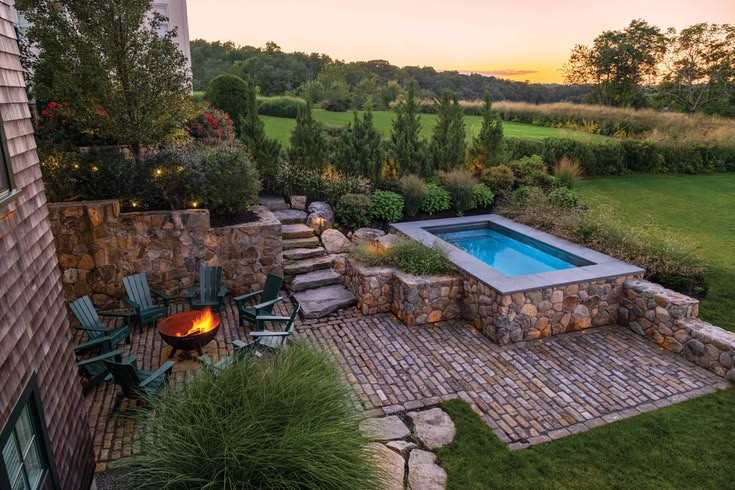
Plunge pools are more than just a trend; they’re a luxurious addition to any backyard. These compact aquatic retreats offer the perfect blend of relaxation and fun, providing a refreshing escape without requiring vast amounts of space. Whether you’re seeking to unwind after a long day or entertain guests on warm summer afternoons, plunge pools deliver that experience.
But owning one comes with its own set of responsibilities. Just like any other feature in your home, maintaining your plunge pool is essential for year-round enjoyment. From keeping the water at an inviting temperature during colder months to ensuring it remains clean and inviting all year long, there’s much to consider.
This guide will walk you through everything you need to know about plunge pool maintenance so you can dive into worry-free enjoyment—no matter the season!
Benefits of Owning a Plunge Pool
plunge pools offer an inviting oasis right in your backyard. Their compact size makes them perfect for smaller spaces, turning any area into a luxurious retreat.
These pools are energy-efficient. With less water and fewer materials needed to maintain them, you can enjoy relaxation without the hefty bills that come with larger swimming pools.
Health benefits abound too. A dip in cool water can relieve muscle tension and improve circulation. It’s not just about cooling off; it’s a chance to rejuvenate your body.
Additionally, plunge pools require less maintenance than traditional ones. This means more time soaking and enjoying rather than scrubbing tiles or balancing chemicals.
Their aesthetic appeal cannot be overlooked either. Available in various designs, plunge pools enhance your outdoor space while providing a stylish focal point for gatherings or quiet evenings under the stars.
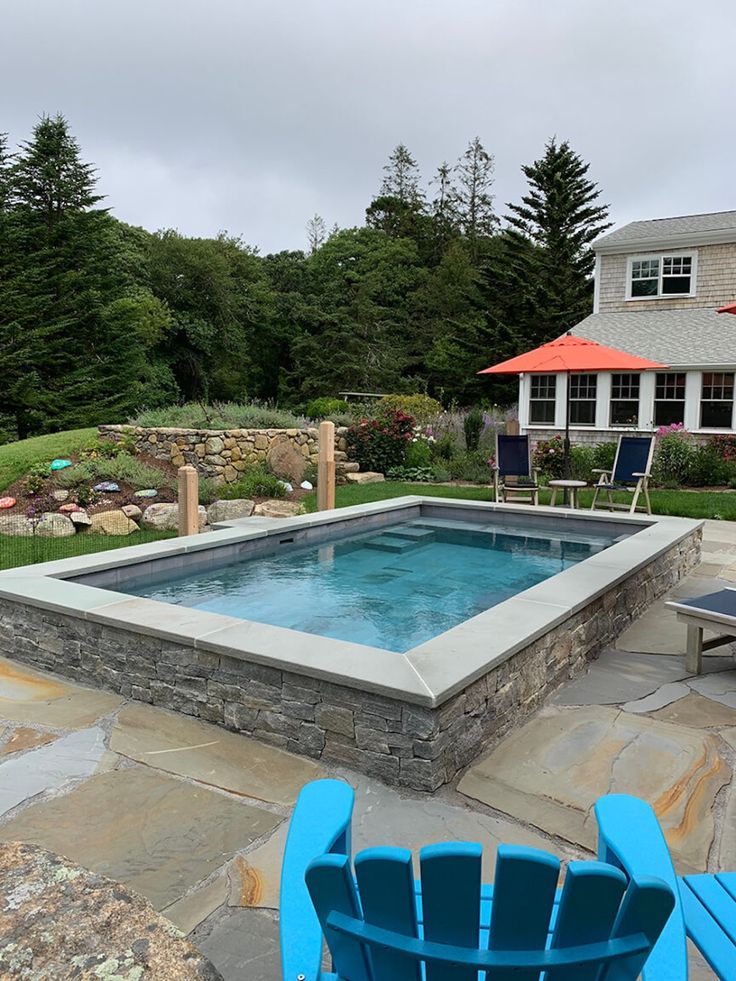
Choosing the Right Location for Your Plunge Pool
Selecting the ideal location for your plunge pool is crucial. Consider factors like sunlight and shade. A spot that receives plenty of sunshine ensures warm water, making swims more enjoyable.
Evaluate privacy as well. You’ll want a tranquil oasis away from prying eyes. Trees or hedges can create natural barriers while adding beauty to the space.
Accessibility is another key point. Ensure easy access from your home, especially for maintenance purposes. A nearby entrance allows you to grab towels or snacks effortlessly.
Think about drainage and landscaping around your pool area. Proper drainage prevents water accumulation, protecting both your pool and surrounding plants.
The right location elevates not just the functionality but also the aesthetic appeal of your plunge pool experience.
Maintaining Water Temperature in the Winter Months
Keeping your plunge pool at a comfortable temperature during winter doesn’t have to be a daunting task. Investing in a quality heater is essential. Electric and gas heaters are popular choices, as they provide consistent warmth even on the coldest days.
Using a thermal cover can significantly reduce heat loss when the pool isn’t in use. This simple addition traps warmth and minimizes the need for constant heating.
Regularly checking water levels helps maintain efficiency. Low water levels can cause heaters to work harder, leading to increased energy costs.
Consider installing a solar blanket for an eco-friendly option. It absorbs sunlight during the day, helping warm up your plunge pool naturally while reducing dependency on electric or gas systems.
Don’t forget about insulation! Proper insulation around plumbing and equipment will keep everything running smoothly throughout winter’s chill.
Cleaning and Upkeep Tips for Year-Round Use
Keeping your plunge pool in top shape requires consistent attention and care. Regular cleaning is essential to maintain water clarity and hygiene. Start by skimming debris from the surface daily using a net. This helps prevent algae growth and keeps the water inviting.
Next, check the filters frequently. Clean or replace them as needed to ensure optimal circulation. A clean filter not only improves water quality but also reduces strain on your pump, extending its lifespan.
Don’t forget about pH levels; they should be tested weekly. Keeping them balanced prevents skin irritations and prolongs the life of your pool equipment. If necessary, adjust with appropriate chemicals based on test results.
During winter months, cover your plunge pool when not in use to minimize debris accumulation and heat loss. Invest in a high-quality solar cover that retains warmth while keeping dirt out.
Periodically inspect for any wear and tear on tiles or surfaces too; early detection can save you costly repairs later on! Also consider seasonal deep-cleaning sessions where you scrub down walls, vacuum floors thoroughly, and shock treat the water if needed.
With these practical tips at hand, you’ll find that maintaining your plunge pool year-round can be both manageable and rewarding! Enjoy those refreshing dips regardless of what Mother Nature throws at you.





Leave a comment