






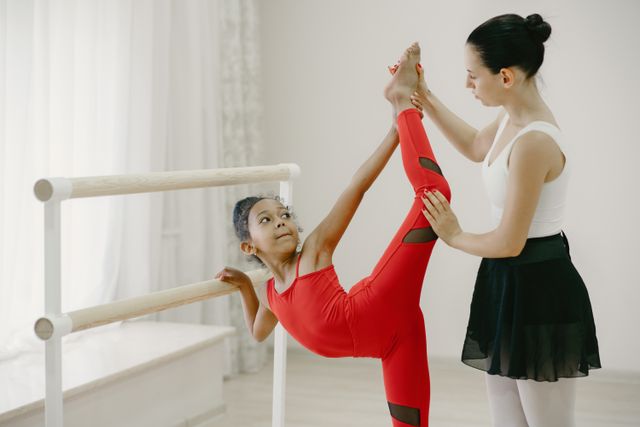
Dance performance isn’t just down to how well someone can dance. It’s a lot to do with the gear they’re wearing too. The fabric you choose for dance uniforms can make a big difference in how well you move, how comfortable you are and even how well you can tolerate the heat. When it comes to textile engineering, they’ve found out that the type of fabric you wear can really affect your comfort and performance. It’s especially important in places like Australia where dancers have to train in really hot conditions that can make you sweat buckets.
Fabric Composition and Movement Efficiency
What makes a dance garment perform so well is the type of fibres it’s made of. Most people go for a mix of polyester, nylon and elastane because it gives them the right balance of toughness and flexibility. Research has shown that even when you’re sweating loads, polyester holds up really well. This is why lots of people use synthetic fibre blends in their dance gear because they just work better in the long run.
Stretchability is Key
Stretchiness is super important in dance. Anytime you’re doing moves like jumping or splits, you want a fabric that will stretch with you but then bounce back into shape. Scientists have tested lots of different fabrics and found that ones with a bit of elastane in them work really well. They’re great at resisting tears and staying in shape even when you’re pushing them to the limit.
Breathability is Crucial
Breathability is what keeps you from getting too hot and sweaty. Which is a total distraction when you’re trying to focus on your dancing. The technical term for how well a fabric lets air through is air permeability and it’s super important. Proper fabric testing shows that you can get fabrics with really high breathability rates if you use the right materials. If you get a fabric that breathes well, you’ll be able to stay cool and focused even when you’re training hard.
Moisture Wicking Properties & Sweat Management
Sweat management is super important because when you get too much moisture on your skin, it can really throw a wrench in your comfort, focus & how freely you can move around. The human body relies on sweat evaporating to keep its temperature in check, and the choice of fabric can either help or hinder that process. Studies on polyester performance fabrics show that they can whisk that sweat off your skin in under five seconds. Which is crazy fast. Polyester fibres are also super dry, with a moisture regain of about 0.4% compared to 8.5% for cotton. That means they absorb way less moisture and just let the sweat move up to the fabric to evaporate. Tests also show that polyester-based performance fabrics can dry 50 70% faster than cotton clothes.
Fabric Weight, Recovery and Fatigue Resistance
Fabric weight can make all the difference in how comfortable & how well you can move around. Lightweight knitted fabrics put less resistance on the body, while heavier fabrics can make you heat up & slow you down. Low weight is only half the battle. Recovery is just as important. Fabrics that get stretched a lot need to snap back into shape without losing their shape. Research on elastic knitted materials shows that high-quality elastic blends really shine under repeated stretching compared to fabrics with less elasticity. When your fabrics recover well, they don’t distort & stay fitted throughout all those long rehearsals & performances. Especially those long multi-costume shows & marathons.
Balancing Natural & Synthetic Fibres
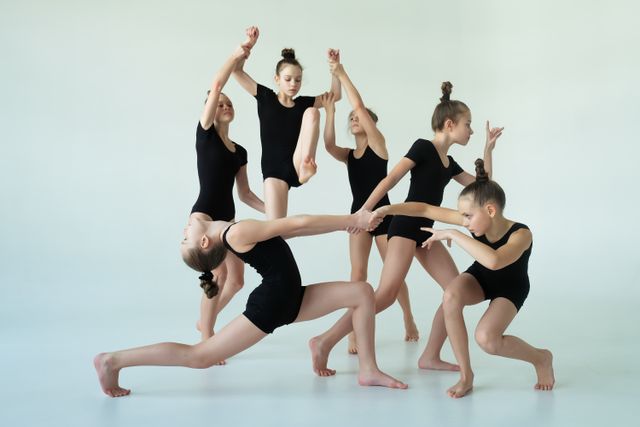
The old debate about natural vs synthetic fibres is still going on in dancewear design. Cotton is nice & soft, but it absorbs way too much moisture, which gets really uncomfortable when you’re working hard. Studies show that cotton can basically hold loads of water. Which can be a real drag when you’re sweating heaps. On the other hand synthetic fibres like polyester & nylon are the clear winners when it comes to moving sweat, drying time & holding their shape. However fabrics that blend the best of both worlds, the softness of cotton & the technical advantages of synthetics, are really taking over the performance clothing market. Textile engineers keep pushing the boundaries & coming up with new blends that balance wind resistance, stretch recovery & moisture management with a fab feel against the skin.









Leave a comment