






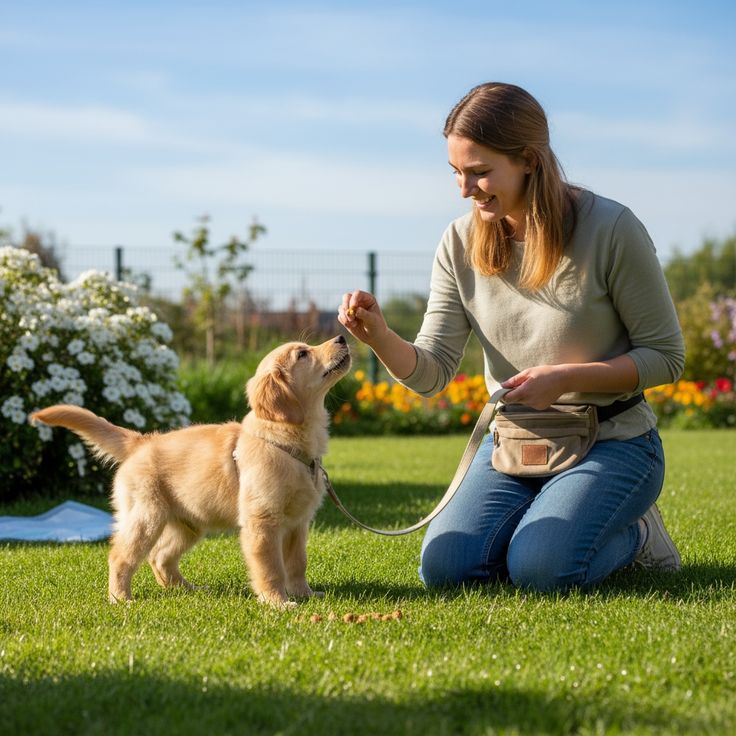
Dog training is more than just teaching commands; it’s about building a bond with your furry friend. Every interaction you have with your dog is an opportunity for learning and growth. Whether you’re welcoming a new puppy into your home or looking to refine the behavior of an older companion, establishing positive habits can lead to a happier, healthier relationship.
Imagine walking through the park without worrying if Fido will dart after squirrels or bark at strangers. Picture peaceful evenings where chewing on shoes becomes a thing of the past. With dedication and the right approach, you can transform those pesky behaviors into delightful habits that enhance both your lives.
Let’s dive into how everyday training practices can help foster these positive changes in your dog’s behavior while making it fun for both of you!
The Power of Positive Reinforcement
Positive reinforcement is a game-changer in guide dog puppy training. Instead of focusing on what your dog does wrong, it highlights their successes. This approach creates an atmosphere of encouragement and trust.
When you reward desirable behaviors—like sitting, staying, or coming when called—you’re reinforcing those actions. Dogs quickly learn that good behavior leads to rewards such as treats, praise, or playtime.
This technique not only builds strong bonds between you and your furry friend but also encourages them to repeat the desired actions. The more consistent you are with rewards, the clearer the message becomes.
Additionally, positive reinforcement reduces fear and anxiety during training sessions. A happy dog is always eager to learn more! They thrive on affection and approval from their owners, making each session enjoyable for both parties involved.
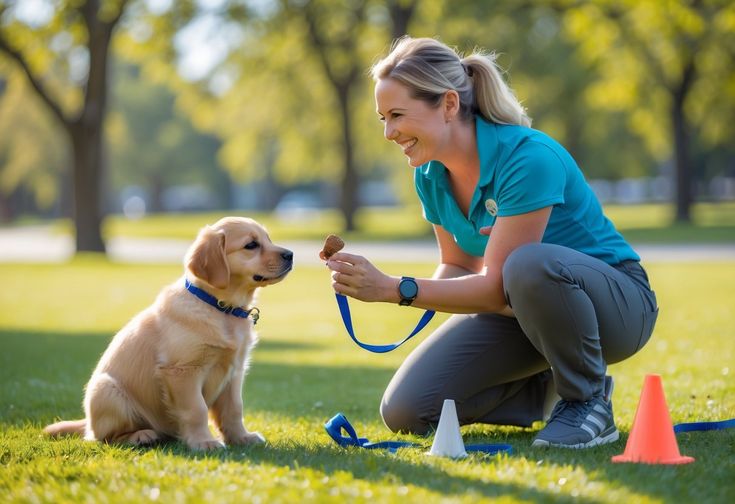
Common Negative Habits in Dogs and How to Fix Them
Dogs can develop various negative habits that may disrupt their behavior and your daily life. These issues often stem from boredom, anxiety, or a lack of proper training.
One common problem is excessive barking. This can be addressed by identifying triggers and teaching your dog the “quiet” command. Reward them when they stop barking to reinforce the desired behavior.
Another frequent issue is jumping on people. To curb this habit, train your dog to sit before greeting anyone. Consistency is key—always reward them for staying calm.
Chewing on furniture or shoes signals boredom or stress in dogs. Providing chew toys along with regular exercise can redirect that energy positively.
Leash pulling during walks can be frustrating. Teach loose-leash walking with treats as motivation for staying beside you instead of tugging ahead. Patience and practice will yield better results over time.
Step-by-Step Guide to Building Positive Habits in Dogs
Start with a solid foundation. Choose a quiet space where your dog feels comfortable. This will make training more effective.
Begin with basic commands like “sit” and “stay.” Use clear, consistent cues so your dog understands what you want.
Introduce short sessions to maintain focus. Ten to fifteen minutes is ideal for most dogs. End each session on a positive note, rewarding successes along the way.
Consistency is key; practice daily. Always reward good behavior immediately so your pup connects the action with the treat or praise.
Gradually increase distractions as your dog becomes more confident in their skills. This challenges them and reinforces learning in various environments.
Remember to be patient and celebrate small victories together! Building trust strengthens your bond while encouraging lasting habits that benefit both of you.
Fun and Engaging Training Activities for Dogs
Training your dog doesn’t have to be a mundane task. It can be a fun and rewarding experience for both of you. Engaging activities keep your dog excited about learning, while strengthening the bond between you.
Start with interactive games like fetch or tug-of-war. These play sessions not only burn off energy but also reinforce commands such as “drop it” or “come.” Puzzle toys are another great option. They challenge your dog’s mind and encourage problem-solving skills while rewarding them with treats.
Consider incorporating agility training into your routine. Set up a simple obstacle course in your backyard using cones, tunnels, or jump bars. This type of physical activity is fantastic for improving coordination and focus.
Group classes can offer additional socialization opportunities too. Enroll in puppy kindergarten or obedience courses that emphasize positive interactions among dogs and people alike.
Remember to vary the activities to maintain interest levels high. Rotate through different games and challenges weekly so that training remains fresh and stimulating.
Building positive habits through engaging training activities creates an environment where learning is enjoyable for both you and your furry friend!










Leave a comment