






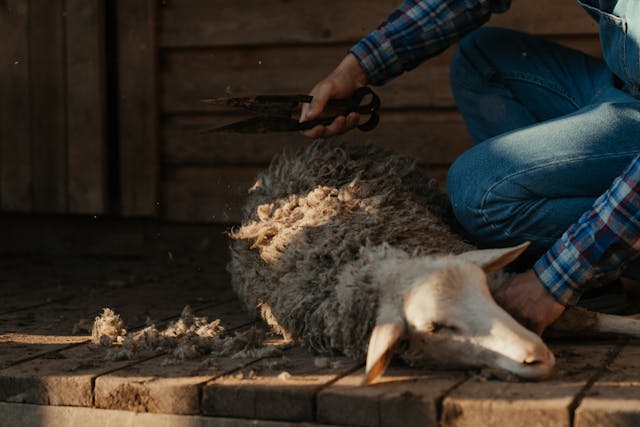
A big shearing run has a way of exposing weak gear fast. Blades heat up too quickly, the motor starts labouring, the handpiece feels awkward after an hour, and what looked fine in the shed turns into frustration once the work really starts. That’s why buying sheep shears needs a bit more thought than picking the first set that looks powerful enough.
Good shearing gear doesn’t only cut wool. It needs to stay steady through long sessions, feel manageable in the hand, and hold up when the pace lifts. A poor choice can slow the whole job down, leave a rougher finish, and make the work harder on both the operator and the animal. Once clip day arrives, there’s not much value in realising the gear was wrong all along.
Power matters, but control matters more
A lot of buyers focus on motor strength first. Fair enough. If the shears can’t get through a heavy fleece cleanly, the rest hardly matters. Still, raw power on its own doesn’t guarantee a good clip.
Control usually ends up doing more of the real work. The handpiece needs to move smoothly, track cleanly, and stay predictable through different fleece conditions. If the unit feels jerky, overly bulky, or hard to guide, even a strong motor becomes tiring quickly. A set of shears that feels balanced in the hand often performs better over the course of a long job than one that only wins on headline specs.
Long sessions expose comfort problems quickly
Plenty of tools feel acceptable for the first ten minutes. Shearing work asks for more than that. Weight, grip, vibration, and overall ergonomics start mattering once the operator’s been going for a while.
A handpiece that’s too heavy can wear the arm down faster than expected. Excess vibration makes the work more tiring and can affect precision. Awkward grip shape tends to show up through hand fatigue and less controlled passes. Those problems don’t always appear in product descriptions, though they become obvious during a serious clip.
Comfort isn’t a luxury feature here. It affects speed, consistency, and how manageable the whole session feels.
Blade quality can make or break the experience
Even decent shears won’t perform well with poor blades. Cutting quality depends heavily on the sharpness, durability, and fit of the blade setup. A good motor can’t fully rescue a blade that drags, heats too quickly, or loses its edge halfway through the job.
That’s one reason blade compatibility matters when choosing a set. Buyers should pay attention to what replacement options are available, how easy the blades are to source, and whether the setup suits the kind of wool and clipping volume involved. Long-term practicality counts for a lot. A tool becomes much less useful if the consumables around it are awkward to maintain or replace.
Heat build-up changes how the job runs
Shearing gear that runs too hot becomes a problem in more than one way. It can interrupt workflow, create discomfort for the user, and complicate handling during longer jobs. In some cases, heat can also affect how steadily the shears perform once they’ve been working hard for a while.
That’s why cooling and general operating stability matter. A unit that keeps its composure through sustained use will usually feel far more dependable than one that starts strong and fades as the session goes on. For anyone clipping multiple animals in a row, that consistency matters more than flashy marketing language.
Maintenance should feel realistic, not fiddly
Good shears still need care. Cleaning, oiling, tension adjustment, and blade checks all come with the territory. The difference is whether that maintenance feels straightforward or irritating.
A practical unit should be easy to clean down and simple enough to keep in good working order without turning routine upkeep into a chore. The more awkward the maintenance process, the more likely it is to get skipped or rushed. That usually shortens tool life and weakens performance at exactly the wrong time.
Buying well often means thinking beyond the first clip. The right shears should still feel worth owning after repeated use, not only when they’re fresh out of the box.
Noise and handling affect the animal too
The operator isn’t the only one dealing with the tool. Sheep respond to handling pressure, sound, and how smoothly the clip is going. Loud, rough, or inconsistent gear can make the process more difficult than it needs to be.
Calmer operation helps. So does a handpiece that allows cleaner movement without dragging or snagging through the fleece. Better gear won’t remove the need for good technique, though it can make the shearing process steadier and less stressful overall.
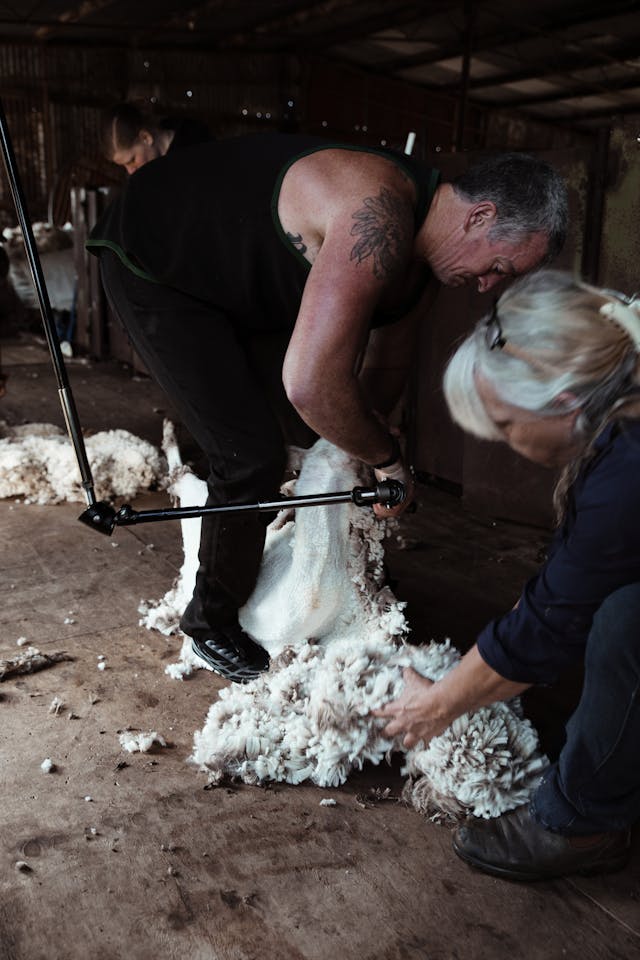
Heavy fleece needs more than a budget solution
A bargain set may look tempting, especially for smaller operators or those trying to keep costs down. The problem usually appears once the shears meet a heavier fleece, denser wool, or a bigger clipping workload than they were really built for.
That’s where cheaper units often start showing their limits. Reduced cutting efficiency, more heat, poorer blade performance, and weaker long-session comfort all tend to surface under pressure. Saving money upfront can quickly become false economy if the gear struggles once the job becomes demanding.
Reliability beats novelty
Shearing equipment doesn’t need to feel exciting. It needs to work properly when the day gets long. Reliability usually comes down to a straightforward mix of decent motor performance, strong blade support, manageable handling, realistic maintenance, and enough build quality to hold up over time.
A tool that does those things well will usually earn its place more convincingly than one loaded with features that sound impressive but add little once the work begins.
The right shears should make the job feel smoother
That’s really the standard worth using. Good sheep shears shouldn’t fight the operator. They should move cleanly, hold up through the session, and help the work stay controlled from one animal to the next. Once the pace lifts and the clip gets serious, that kind of dependability matters far more than packaging claims or spec-sheet posturing.
Before the next big clip, the best buying decision usually comes down to a simple question: will these shears still feel solid, comfortable, and capable once the easy part is over?









Leave a comment