






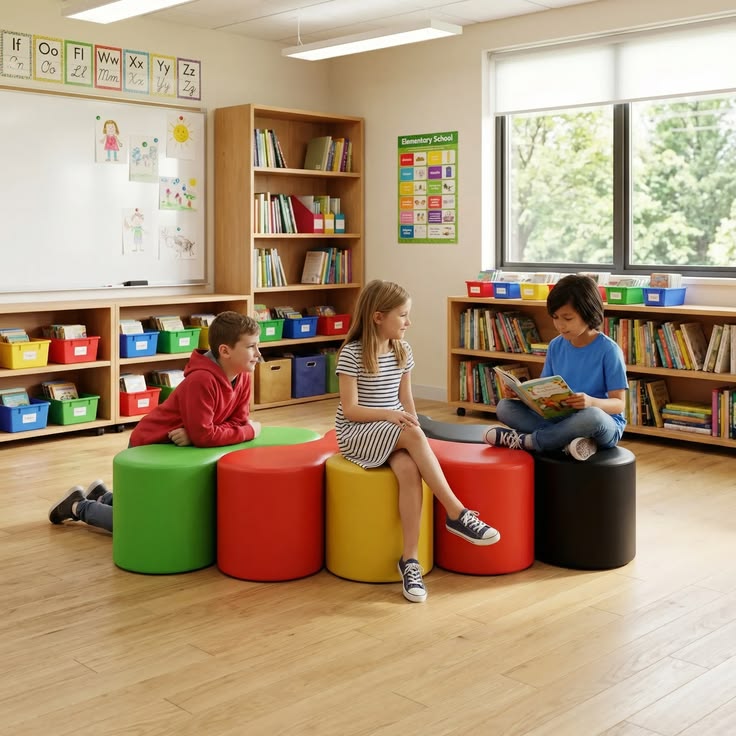
Education is evolving rapidly, with classrooms transforming into dynamic learning hubs. Gone are the days of rigid desks and static seating arrangements. Modern education environments now emphasize collaboration, flexibility, and comfort. As students engage in various activities—group discussions, hands-on projects, or individual study—the need for adaptable furniture becomes paramount.
Durable seating solutions play a crucial role in this transformation. They not only enhance the learning experience but also withstand the wear and tear of daily use by energetic students. With an array of options available today, it’s essential to understand what works best for your educational space. Let’s dive deeper into why durable seating matters and explore some top-notch solutions tailored for modern classrooms.
The Importance of Durable Seating
Durable seating plays a crucial role in modern educational settings. It’s not just about comfort; it impacts learning outcomes too. Students spend hours sitting, so their environment must support focus and engagement.
High-quality materials withstand daily wear and tear. This durability means fewer replacements, leading to cost savings for schools over time. Additionally, school chair can handle the energy of active classrooms.
Safety is another important aspect. Sturdy chairs reduce the risk of accidents and injuries caused by broken furniture or unstable designs.
Investing in durable seating options also sends a message about valuing student well-being. A functional classroom reflects an institution’s commitment to creating optimal learning spaces that empower students to thrive academically and socially.
Traditional vs. Modern Seating Options
Traditional seating options often include heavy wooden desks and rigid chairs. These pieces have been staples in classrooms for decades, offering a sense of familiarity. However, they can limit movement and flexibility.
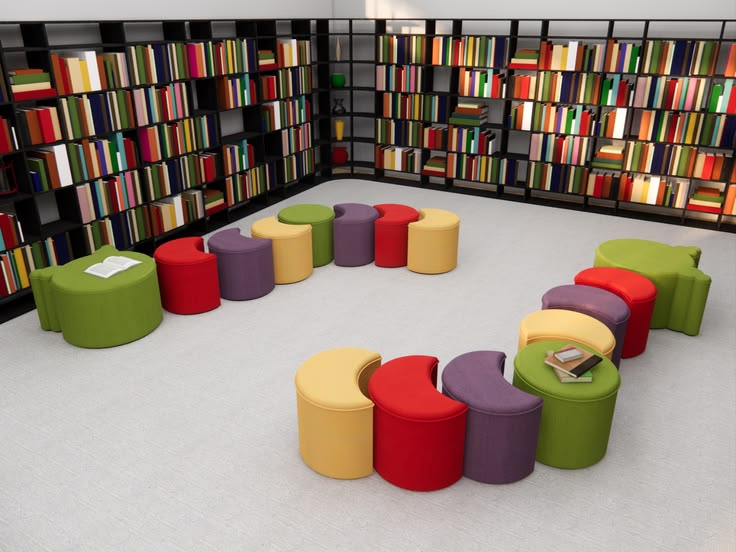
Modern seating solutions embrace versatility and comfort. Flexible seating arrangements, such as bean bags or modular furniture, allow students to choose how they learn best. This promotes engagement and collaboration.
Another key difference lies in materials used. Traditional seats typically rely on wood or metal frames that may show wear over time. In contrast, modern designs incorporate durable plastics and innovative fabrics that withstand daily use.
Aesthetics also play a role. While traditional styles tend to be more uniform and conservative, contemporary designs invite creativity with vibrant colors and unique shapes tailored to various learning environments.
Top Durable Seating Solutions
When it comes to durable seating solutions, a few options stand out for their innovative designs and robust materials.
First up are stackable chairs. These versatile pieces offer easy storage while providing comfort and stability. They’re perfect for classrooms that need flexibility.
Next on the list is modular seating. This allows for creative configurations tailored to different activities or group sizes. Schools can adapt layouts easily as needs change throughout the day.
For outdoor learning environments, weather-resistant benches made from recycled materials provide an eco-friendly option without compromising durability. They withstand the elements while fostering collaboration among students.
Ergonomic stools cater to active learning styles. Designed with mobility in mind, they encourage movement during lessons, keeping energy levels high and engagement strong.
Each of these choices not only meets practical needs but also enhances the overall educational experience by promoting interaction and comfort.
How to Choose the Right Seating for Your School or Classroom
Choosing the right seating for your school or classroom is a crucial decision that impacts not just aesthetics but also functionality and comfort. Start by assessing the needs of your students. Consider age, size, and learning styles when selecting furniture.
Think about flexibility too. Modular designs allow for easy reconfiguration to suit different teaching methods or group activities. Durable materials are essential; look for options that can withstand daily wear and tear while maintaining their appearance.
Evaluate your space carefully. Measure dimensions to ensure there’s adequate room for movement between desks or chairs, which promotes an active learning environment. Think about how natural light interacts with the colors and finishes of the furniture as well; this can significantly affect mood and focus.
Safety should be a priority as well—choose rounded edges over sharp ones to minimize accidents in bustling classrooms filled with energetic students.
Don’t forget about budget constraints! It’s important to balance cost with quality. Investing in durable seating solutions means fewer replacements down the line, ultimately saving money while enhancing student experiences.
Taking these factors into account will lead you toward creating a supportive and stimulating educational environment where every student can thrive comfortably.








Leave a comment