





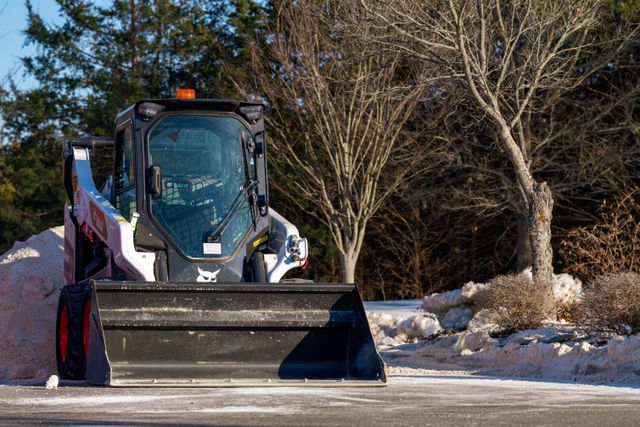
For a small contracting business, a broken-down machine is not just an inconvenience. It can mean a missed deadline, an unhappy client, idle workers on the clock and a repair bill that wipes out the profit from a job. Unlike large companies with spare equipment and in-house mechanics, smaller operators usually rely on every machine pulling its weight every day.
Good maintenance is the difference between equipment that earns money and equipment that drains it. Much of it comes down to routine checks, quality parts and dealing with small issues before they become big ones. Hydraulic systems deserve particular attention, and when parts need replacing, it is worth sourcing reliable components, whether you visit a local supplier or browse Boss Hydraulics products online to find what suits your machines.
Daily checks save money
The simplest maintenance habit is also one of the most effective: a daily pre-start check. Before machines start work, operators should look for leaks, check fluid levels, inspect hoses and fittings, examine tyres or tracks and make sure lights, alarms and safety devices work.
These checks take only a few minutes but can catch problems early. A small hydraulic leak spotted in the morning is far cheaper to fix than a burst hose halfway through a job.
Follow manufacturer schedules
Every machine comes with recommended service intervals based on operating hours. Following these schedules for oil changes, filter replacements, greasing and inspections helps extend equipment life and maintain warranties.
Keep a logbook or digital record of all servicing. Good records make it easier to plan maintenance, track costs and demonstrate care when selling equipment.
Look after hydraulic systems
Hydraulics power many functions on excavators, loaders, skid steers, cranes and attachments. They are also prone to problems if neglected.
Keep hydraulic fluid clean and at the correct level. Contamination from dirt or water is a leading cause of hydraulic failure. Replace filters as recommended and use the correct fluid type.
Inspect hoses regularly for cracks, abrasion, bulges and leaks. Replace damaged hoses promptly and route them to avoid rubbing or pinching. Never check for leaks with your hands, as pressurised fluid can cause serious injury.
Grease is cheap insurance
Moving parts such as pins, bushings and joints need regular lubrication. Skipping greasing leads to accelerated wear, costly repairs and reduced performance.
Follow lubrication schedules and use quality grease suited to the machine and conditions. In dusty or wet environments, more frequent greasing may be needed.
Keep machines clean
Mud, dust and debris can hide leaks, cracks and damage. They can also clog radiators, cooling systems and air filters, causing overheating.
Regular cleaning makes inspections easier and helps machines run efficiently. Pay particular attention to cooling systems and engine bays.
Store equipment properly
Where possible, store machines under cover to protect them from sun, rain and extreme temperatures. If equipment will sit unused for extended periods, follow proper storage procedures, such as maintaining battery charge and protecting exposed components.
Train operators
Operators play a significant role in equipment longevity. Rough handling, overloading and ignoring warning signs can cause premature wear and breakdowns.
Train operators in correct use, daily checks and reporting faults. Encourage them to speak up when something does not feel or sound right.
Plan for repairs
Even the best maintenance cannot prevent every breakdown. Build relationships with reliable mechanics and parts suppliers so repairs can happen quickly.
Keeping commonly used parts, such as filters, hoses and fittings, in stock can reduce downtime.
Know when to replace
At some point, the cost of keeping an old machine running outweighs its value. Track repair costs and downtime to help decide when it is time to upgrade.
Newer equipment may offer better fuel efficiency, safety features and reliability, which can improve profitability.
Budgeting for maintenance
Many small contractors only think about maintenance costs when something breaks. A better approach is to set aside a regular amount for servicing, parts and repairs as part of the cost of running each machine. Tracking these costs by machine shows which pieces of equipment are reliable and which are becoming money pits. It also helps when quoting jobs, since the true cost of operating equipment includes maintenance as well as fuel and finance. Building maintenance into the budget turns it from an unpleasant surprise into a predictable part of doing business.
Protecting your investment
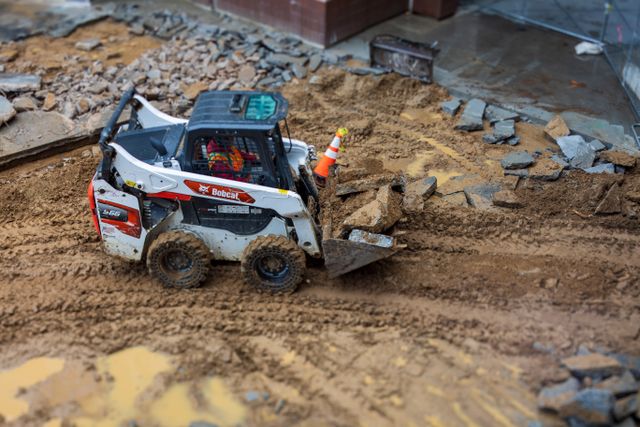
Heavy equipment is one of the biggest investments a contracting business makes. Consistent maintenance protects that investment, keeps crews working safely and helps the business deliver projects on time. A few minutes of care each day can prevent days of costly downtime.








Leave a comment