






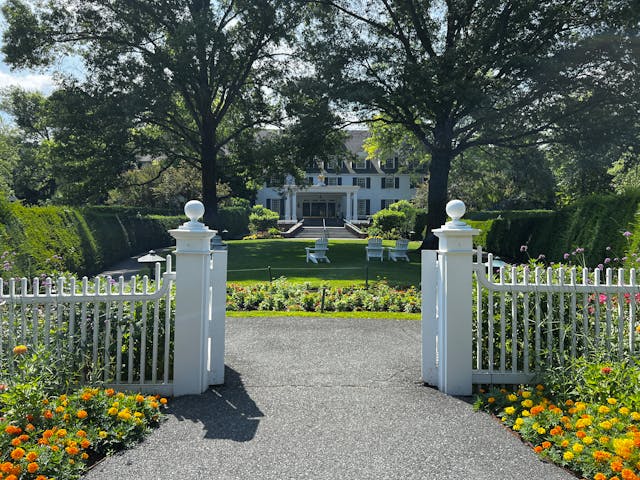
A front gate can do one of two things. It can announce itself as an obvious add-on, sitting awkwardly in front of the property like an afterthought. Or it can feel settled, deliberate and quietly permanent, as though the house was always designed with that exact entrance in mind.
That second result is harder to achieve, but it’s also far more rewarding. A gate that looks original to the home doesn’t simply improve security or privacy. It changes the way the whole property is read from the street. Materials, proportions, colour, spacing and surrounding landscaping all need to work together. For homeowners seeking a more integrated result, a brick infill gate design can be especially effective because it allows the gate to echo the home’s existing masonry rather than compete with it.
The Best Gates Don’t Fight the Architecture
A front gate should respect the house behind it. That doesn’t mean it has to copy every detail, but it should share the same visual language. A sharp, ultra-modern gate can look brilliant in front of a contemporary rendered home. Place that same gate in front of a heritage brick residence and it may feel abrupt.
The most seamless gates usually borrow cues from the existing structure. Brick tones, fence lines, roof colours, window frames, metal finishes and driveway materials all provide useful direction. When these elements are repeated with restraint, the gate feels connected without becoming overly matched.
A home with warm red brick, for example, might suit a gate that includes complementary masonry infill, dark powder-coated framing and simple vertical lines. A lighter, more coastal home may call for softer tones, cleaner spacing and a less visually heavy profile.

Proportion Matters More Than Decoration
Many front gates look wrong because the scale is off. Too high, and the home can feel closed in or defensive. Too low, and the gate may look flimsy or unfinished. Too ornate, and it competes with the façade. Too plain, and it can appear underdesigned.
Good gate design starts with proportion. The height of boundary walls, the width of the driveway, the setback from the street and the size of the house all influence what feels balanced. A wide frontage can carry a stronger gate with more visual weight. A compact property may need something lighter and more refined.
The goal isn’t to make the gate disappear. It should still create a clear entry point. But it should feel like part of the property’s composition, not a separate object dropped into place after everything else was finished.
Materials Create Continuity
Material choice is where a front gate either blends beautifully or breaks the spell. Metal, timber, brick, aluminium and composite finishes all behave differently from a visual point of view. Each one also sends a message.
Brick can create permanence and structure. Steel or aluminium can add clean lines and durability. Timber brings warmth, though it needs careful consideration around maintenance. Powder-coated finishes are often useful because they can be selected to match window frames, fencing, garage doors or exterior trims.
The smartest approach is usually not to introduce too many new finishes. A front boundary already has plenty going on: driveway surface, letterbox, garden beds, fencing, façade materials and street-facing windows. Adding another unrelated texture can make the entrance feel busy. Repeating existing finishes creates calm.
Colour Should Feel Intentional
Colour is one of the simplest ways to make a gate feel original to the home. A gate frame that matches the window frames, roof trim or garage door can instantly tie the frontage together. Brickwork that picks up the tones of the house can make the boundary feel established rather than newly attached.
This doesn’t mean everything needs to be identical. Exact matching can sometimes look forced, especially if materials weather differently over time. Complementary tones are often more forgiving. Charcoal, deep bronze, warm grey and muted black tend to work well across many Australian homes because they sit back visually while still giving the entrance definition.
Bright feature colours can work, but they need confidence and context. For most homes, subtlety wins.
Landscaping Softens the Edges
Even a beautifully designed gate can look stark if the surrounding landscaping is ignored. Plants help settle the boundary into the property. Climbing greenery, structured hedging, low native planting or simple garden beds can soften hard materials and make the entry feel lived-in.
Landscaping also helps bridge the space between the street and the house. A gate may sit on the boundary, but the eye continues beyond it. If the planting, path, driveway and façade all feel connected, the entrance becomes part of a broader arrival experience.
Lighting plays a similar role. Low, warm lighting near the gate, driveway or path can highlight the entry without making it feel theatrical. The best lighting feels practical, safe and understated.
Function Still Has to Lead
A gate that looks good but works badly quickly becomes frustrating. Vehicle access, pedestrian access, automation, intercom placement, parcel delivery, swing clearance and maintenance all need to be resolved early.
This is especially important when the aim is a seamless look. Retrofitted motors, awkward keypads, exposed wiring or poorly placed posts can undermine an otherwise elegant design. Integrated planning allows these functional parts to sit quietly within the overall structure.
Security and privacy should also be considered honestly. Some homes need full screening. Others benefit from partial visibility, which can feel more open and inviting while still defining the boundary. The right answer depends on the street, the home and how the occupants use the property.
A Gate Should Age with the Home
The most convincing front gates are designed with time in mind. They don’t chase short-lived trends. They use durable materials, balanced proportions and finishes that can weather gracefully.
When a gate looks like it was always part of the house, it usually means someone paid attention to restraint. Not everything has to shout. The brickwork doesn’t need to be decorative for the sake of it. The metalwork doesn’t need unnecessary flourishes. The automation doesn’t need to be obvious. The design simply needs to belong.
A well-considered front gate gives the property a stronger first impression, but more importantly, it gives the home a sense of completion. It frames the entrance, supports the architecture and makes the boundary feel resolved. Done properly, it’s not just the thing you pass through on the way in. It’s the first sign that the whole home has been thought through.







Leave a comment