






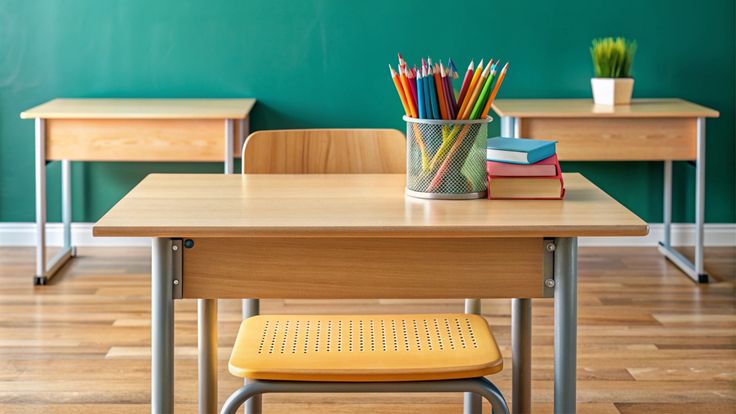
Imagine walking into a classroom where every student is not just sitting, but truly engaged. The desks are arranged in a way that encourages collaboration and creativity. The seating feels comfortable and inviting, allowing students to focus on learning rather than fidgeting with discomfort. Proper seating isn’t just about having a chair at the desk; it’s an essential element that can significantly influence how well students absorb information and participate in discussions.
In our ever-evolving educational landscape, understanding the role of proper seating becomes vital for teachers, administrators, and parents alike. A thoughtful approach to classroom design can unlock potential and create an environment conducive to growth—both academically and socially. Let’s explore how you can transform traditional classrooms by rethinking your seating strategies for better learning outcomes.
The Importance of Proper Seating for Learning
Proper seating plays a crucial role in the learning environment. It directly affects students’ comfort, focus, and overall engagement. When children sit in well-designed chairs or at appropriate desks, they are less likely to experience distractions caused by discomfort.
Good seating arrangements can also foster interaction among classmates. Flexible layouts that include movable school chair options encourage collaboration, allowing students to work together effectively rather than facing forward in isolation.
Additionally, proper seating supports different learning styles. Some students thrive in traditional settings while others benefit from more dynamic spaces that allow movement and adaptability.
When educators prioritize thoughtful seating choices, they create an atmosphere where learners feel valued and empowered. This foundational element is essential for enhancing attention spans and boosting participation rates across various subjects.
Common Seating Arrangements in Schools
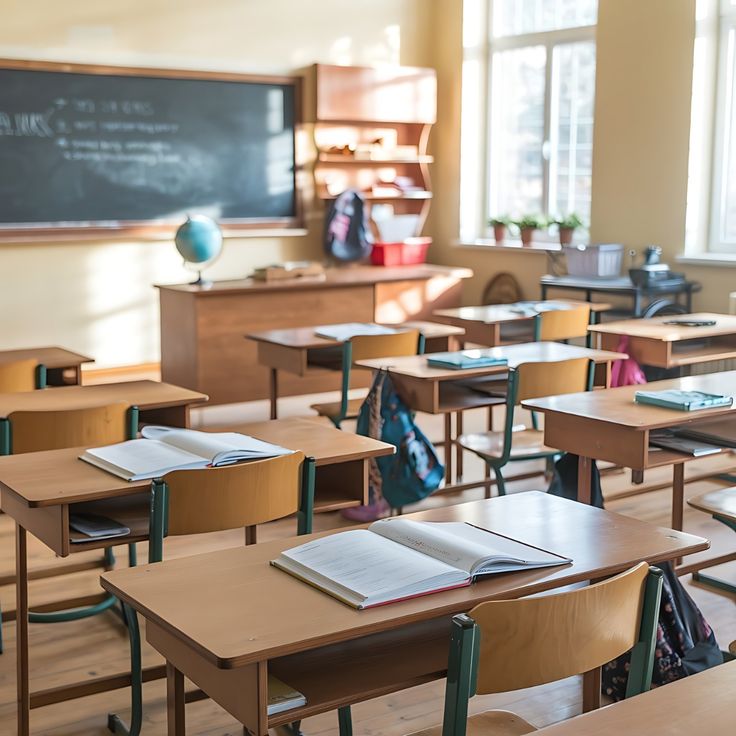
Seating arrangements in schools play a crucial role in shaping the learning environment. Traditional rows are still common, providing a clear view of the teacher and minimizing distractions. This setup works well for lectures but can stifle interaction.
Cluster seating has gained popularity for its ability to foster collaboration. Students sit in groups, promoting discussion and teamwork on projects. However, it may also lead to off-topic chatter if not monitored closely.
The U-shape arrangement encourages participation from all students. It allows eye contact with peers and teachers alike, making discussions more engaging.
Flexible seating is an emerging trend that lets students choose their preferred spots—be it bean bags or standing desks. This approach caters to various learning styles and keeps energy levels high throughout lessons.
Each arrangement offers distinct advantages and challenges, impacting how effectively students learn together.
The Impact of Seating on Student Performance
Seating plays a crucial role in student performance. When students are comfortable, they can focus better on their tasks and engage more actively during lessons. Uncomfortable chairs or restrictive seating arrangements can lead to distractions.
Moreover, the layout of the classroom influences interaction among peers. Collaborative learning thrives in spaces where students can easily communicate with each other. Flexible seating options allow for group discussions and teamwork, fostering a sense of community that enhances learning outcomes.
Research indicates that proper seating also affects physical health. Good posture reduces fatigue and discomfort, enabling longer periods of concentration. In contrast, poor seating choices may contribute to restlessness and disengagement.
Thoughtful consideration of seating arrangements could transform educational experiences. Schools have an opportunity to create environments that not only support but elevate academic success through strategic design decisions regarding where students sit while learning.
How to Choose the Right Seating for Your Classroom
Choosing the right seating for your classroom can significantly enhance the learning experience. Start by considering the age and needs of your students. Younger children may benefit from flexible seating options that allow movement, while older students might require more traditional arrangements to focus.
Pay attention to ergonomics as well. Chairs should support proper posture, reducing discomfort during long lessons. Look for adjustable options that cater to various heights.
Think about classroom layout too. A circular arrangement encourages collaboration and participation, while rows can help maintain focus during lectures.
Don’t overlook aesthetics; colorful and engaging furniture can create a welcoming environment. Incorporating different types of seating—like bean bags or standing desks—can stimulate creativity and engagement.
Involve your students in the decision-making process. Their input can lead to choices that resonate better with their learning styles and preferences.
Innovative Seating Options for Enhanced Learning
The landscape of classroom seating is evolving, and innovative options are becoming increasingly popular. Flexible seating arrangements are designed to promote movement and collaboration among students. These spaces encourage group work, discussions, and active participation.
Consider bean bags or floor cushions that allow students to choose their comfort levels. Wobble stools can provide the right amount of balance while keeping kids engaged during lessons. Standing desks offer an alternative for those who struggle with traditional seating; this option promotes better posture and increases focus.
Another exciting trend is collaborative furniture that combines different elements into one space. Modular tables can be easily rearranged for group projects or individual tasks, fostering teamwork skills in a dynamic environment.
Incorporating nature-inspired designs also works wonders. Biophilic design invites natural light, plants, and organic shapes into classrooms, enhancing creativity while reducing stress levels among students.
Selecting the right seating isn’t just about aesthetics; it’s about creating an atmosphere conducive to learning. Educators should consider the unique needs of their students when exploring these innovative options to create engaging learning environments tailored to modern educational demands.










Leave a comment