







Suppose one enters a classroom where that air is full of energy and creativity. Students are occupied and working in harmony and learning flourishes everywhere. The secret? It usually begins with the sitting arrangements of the chairs. Classroom layout has a major influence in determining the learning process. Careful design enables us to develop spaces that promote affiliation, incite involvement, and improve attention. It is about time to understand the importance of seating arrangements in the classroom and discuss the innovative seating arrangements that can help change the learning atmosphere of students of different ages.
The Importance of Classroom Layout in Learning
Classroom design can have a great influence on student interaction and learning performance. An interactive space allows students to interact, be creative, and work together in a well-planned space.
When groups are seated in such a way as to allow them to do group work or to debate, learners will be more connected with their peers. This community feeling encourages free communication and thought.
On the other hand, the old designs of students’ desks chairs can alienate the students in rows with the instructor. Although this arrangement has its merits in direct teaching, it tends to restrict the involvement and diminish motivation.
Flexibility offers the teacher the opportunity to use the space depending on the activities or the type of teaching. Each of the arrangements, clusters to work in teams or circles to have discussions, has its own purposes.
A purposeful classroom design can bring about a learning environment that would develop curiosity and sustain various needs of learning. When we make designing elements that support different interactions a priority then we are opening the way to meaningful educational experiences.
Traditional Classroom Chair Arrangement
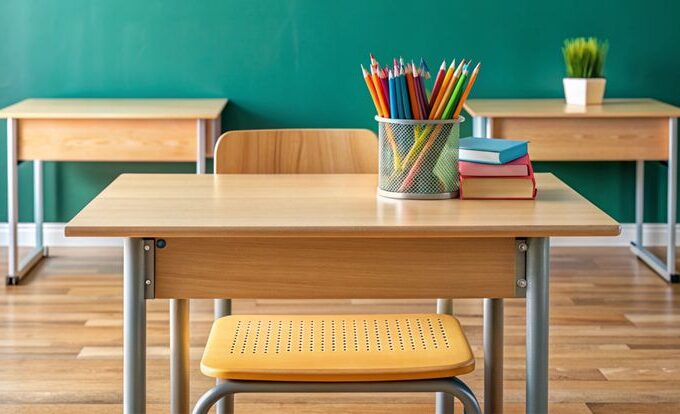
The common sitting of chairs in conventional classrooms would be in a simple pattern. The desks are lined up facing the front where the teacher provides his/her instruction. Such arrangement encourages clear visibility of the board or the screen.
Although this system is structured and simple to handle by the teachers, it tends to restrict the time that students interact. Such environments have mostly passive students. They hear and not communicate with each other.
The inflexibility may suppress creativity and cooperation with peers. Everybody is looking at the front and the chance of a conversation reduces tremendously.
Furthermore, students can even feel lonely even though they are in the midst of their colleagues. Insufficiency in different options of seating can also affect the degree of comfort.
With the transformation of the education process, the perspectives of effective learning spaces change. The reconsideration of conventional designs opens up new opportunities to active learning.
Alternative Seating Options for Students
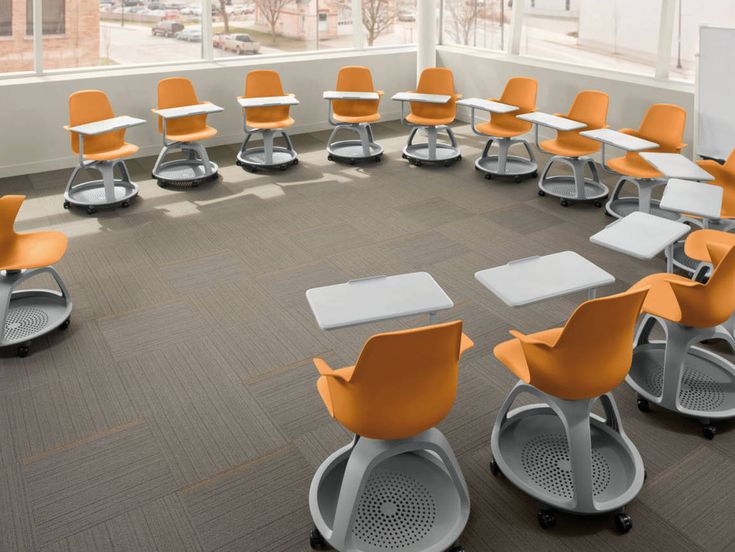
Other seating systems may help to turn a conventional classroom into an interactive learning environment. Imagine something other than the desk and chair arrangement. Think of bean bags, floor cushions or even standing desks.
These options are based on various learning styles and comfort levels. There are students who are comfortable working in small places that permit casual working. Other people might be better off when they are allowed to stand during their working moments.
The flexible seating plans encourage movement and interaction. Learners feel a sense of power when they decide on the sitting place and manner in classes or even in small groups.
Not only does implementing them help improve the level of concentration, but social interaction among peers becomes encouraged as well. It creates an inclusive environment and each student feels important and listened to.
Besides, alternative seating may result in the establishment of better postures and less discomfort when studying long periods. It is also worth investing in different seating solutions because they will help to create a more stimulating learning environment that suits all learners.
Benefits of Alternative Seating in the Classroom
Classroom rearrangement creates a change in the traditional learning settings. It provides movement possibilities that may facilitate concentration and involvement.
Students possess a variety of preferences as to the best learning styles. Others do well in an intimate corner with cushions and young others do well in wobble stools enabling them to fuss to distract themselves. This diversity supports different forms of learning.
In addition to this, alternative seating promotes cooperation. Once students have the opportunity to design their seating patterns, they would automatically end up in groups according to the level of comfort and interest. This promotes consultation and cooperation.
The other advantage is better posture and physical well-being. There are numerous alternative products that encourage active sitting or even standing which lowers the risks which are common with long sitting habits in the traditional setups.
Choice helps students feel empowered as a result of the ownership they have over their space. It instills a sense of responsibility as they get to know how to respect the places of shared environments as they make decisions that affect their learning experiences.
Implementing a Flexible Seating Plan
It is possible to make the classroom setting different by designing a flexible seating arrangement. Begin by evaluating your environment and students. Get the students to give their preferences. There are those that might be in the silent spots and others that might be in the group places.
Use different seating spaces such as bean bags, standing desks or floor cushions. Combining the traditional chairs with such options encourages freedom and control over education. When students are allowed to exercise agency in their immediate environment they tend to feel more engaged.
Provide a clear guideline on the way to utilize the various seating arrangements. Ask the students to consider the best learning settings and make modifications during the year.
Being flexible is a way to accommodate the different learning styles as well as to create a feeling of community among students. When you introduce this dynamic arrangement remember that communication is maintained between you and your class so that you can perfect it constantly and achieve the best outcomes in their learning process.









Leave a comment