






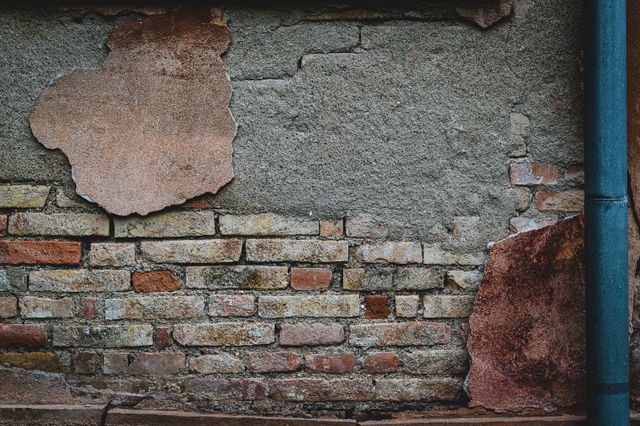
Damp doesn’t usually come with one major incident. Often it is little changes: a skirting board swelling, paint losing its grip, a damp area or plaster that turns powdery near the floor. In Sydney homes the picture can be complicated by varying times of building, coastal circumstances, garden levels and restorations. Catching the pattern early gives an owner more options and decreases the possibility that a minor issue would balloon into a wider repair including finishes, joinery and interior comfort.
Look for patterns, not individual marks
A rising damp specialist sydney property owners should consider how the symptoms relate to one another. Damage that develops a constant low level band may indicate a different pathway to a stain below a window or a patch alongside a shower. The orientation of the afflicted walls and the weather history also play a role. Useful evidence can be obtained by photographing changes over several weeks, especially if marks appear to improve and then reappear with seasonal conditions.
Look past the inside face
Internal harm is often a function of what’s going outside the wall. Soil or asphalt may be too high against the brickwork, garden irrigation may keep an edge moist, or a downpipe may discharge near the footing. Extensions and landscaping can also affect airflow and drainage that were previously fine. A thorough assessment ties interior symptoms to the outside environment, instead than viewing the area as an isolated box.
Damp vs condensation & leaks
Condensation is frequent at the point where warm humid air meets a cool surface. Plumbing or roof leaks can follow fittings, joints or rains. Rising moisture usually has a pattern of its own but buildings can suffer from more than one problem at the same time. Moisture readings are most useful when used in conjunction with construction data and visual evidence. A number without context can mislead, especially if salts or conductive substances alter the device.
Arrange repairs in the correct sequence
Once you know the likely source you can prioritise work. “Active water entry and drainage problems usually need to be addressed prior to damage to plaster or decorative finishes. If wood elements have been wet, they may need to be evaluated separately. Owners should also ask about the preparation, drying and follow-up tests involved. A defined scope allows different trades to work in sequence and eliminates the danger of one repair hiding evidence required by another.
After therapy, keep a simple record
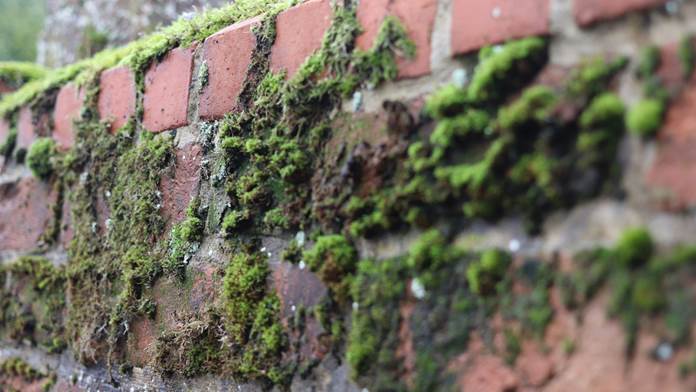
Post-repair monitoring doesn’t have to be hard. You can see if drying is progressing by looking at dated images, notes about the weather and occasionally checking the mended area. It’s also important looking at the surrounding skirtings and rooms next to it rather than just focusing in on the initial mark. Attention to a change early is usually easier than waiting for a major obvious failure. A record makes later decisions more objective.










Leave a comment