






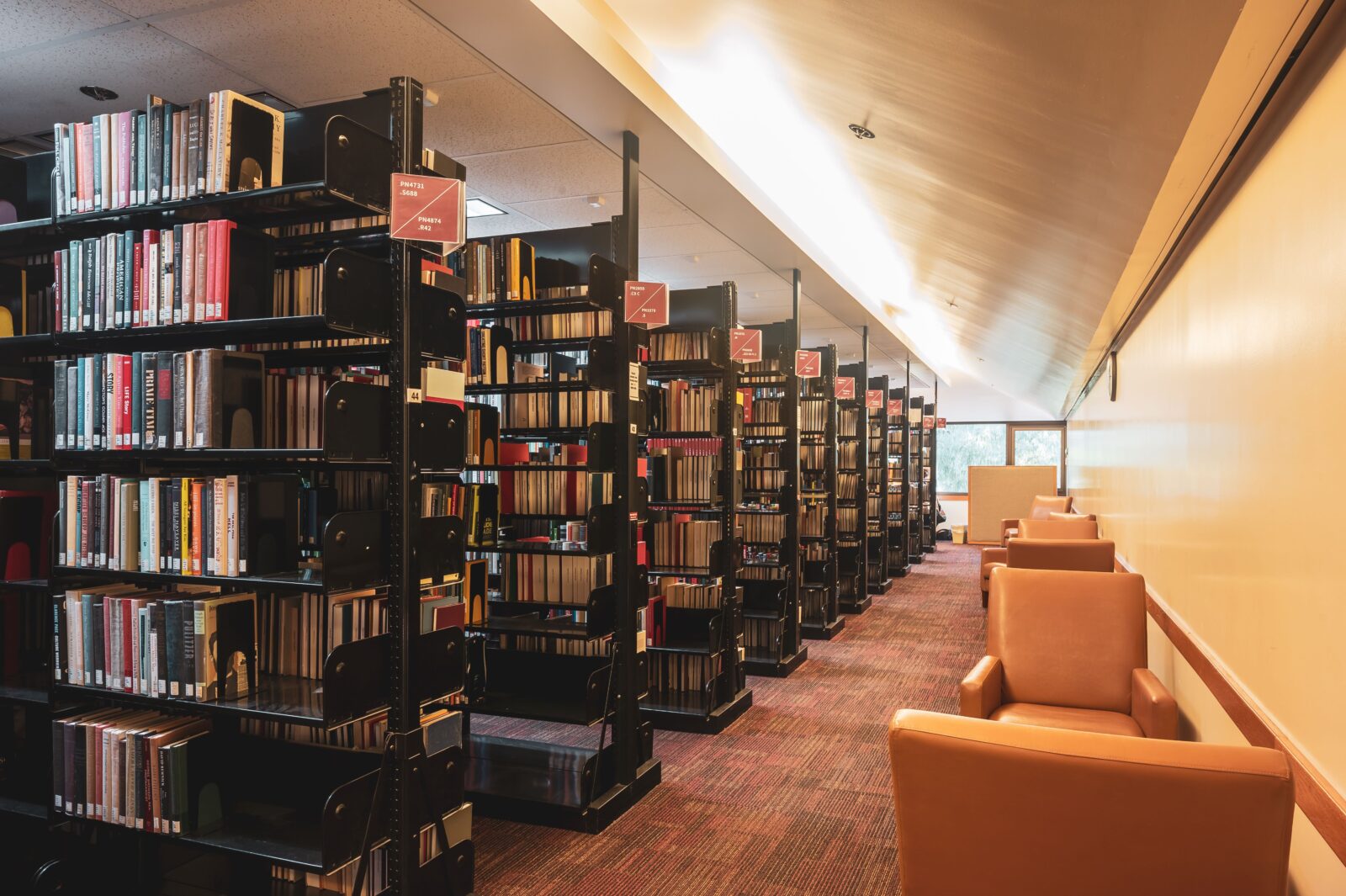
A well-organised library plays an important role in creating an engaging and supportive learning environment for students, teachers and visitors. The way books, educational resources and reading materials are arranged can influence how easily people find information and use the available space. Functional library shelving provides an effective solution for keeping collections organised while making libraries more accessible, comfortable and visually appealing. From school libraries and university resource centres to public reading spaces, suitable shelving can improve everyday usability and support different learning activities. Choosing the right library shelving also helps educational facilities create practical spaces that encourage reading, research and independent learning.
Improving Organisation and Accessibility in Library Spaces
Effective organisation is one of the most important benefits of functional library shelving. Libraries often contain a wide range of books, reference materials, magazines and educational resources that need to be arranged in a clear and accessible way. Proper library bookcases allow these materials to be grouped according to subjects, categories, reading levels or other classification systems. This makes it easier for students and visitors to locate the information they need without spending unnecessary time searching through disorganised collections. Well-planned shelving arrangements can also help library staff manage resources more efficiently and maintain an orderly environment. When books are arranged logically, visitors can browse different sections with greater confidence and discover useful materials that support their interests. An organised layout also reduces confusion during busy periods when several students may be searching for resources at the same time.
Accessibility should also be considered when selecting and positioning library shelving. Shelves should be arranged to allow comfortable movement between aisles while ensuring that commonly used books remain easy to reach. Lower shelving units can be particularly useful in primary school libraries, where younger students need convenient access to reading materials. In larger educational facilities, clearly organised shelving systems can support independent research and encourage students to explore different subjects. Appropriate shelf heights, clear pathways and practical layouts can make libraries more welcoming for users with different needs. These considerations help create an environment where students can access educational resources with greater confidence and independence. Libraries should also consider the needs of visitors with mobility requirements by providing sufficient circulation space and avoiding arrangements that make certain sections difficult to reach. Thoughtful shelving placement can improve the overall experience while allowing library staff to maintain an efficient and accessible space.

Making Better Use of Available Library Space
Space management is another important factor when designing an effective library environment. Educational facilities may have limited floor areas that need to accommodate books, reading tables, computer stations and quiet study spaces. Functional library shelving helps make better use of available space by providing organised storage without overcrowding the room. Carefully selected shelving units can be positioned along walls, in designated reading sections or within suitable central areas to create a balanced layout. This approach allows libraries to store larger collections while preserving enough room for comfortable movement and everyday activities. Schools should assess the dimensions of their libraries before selecting shelving units to ensure that the furniture fits properly without restricting access to other facilities. A well-planned arrangement can also create separate areas for reading, research and collaborative learning, making the library more versatile.
Different shelving configurations can also help libraries accommodate changing space requirements. Wall-mounted shelves, compact bookcases and modular shelving systems offer practical options for facilities with different layouts. Double-sided shelving can be useful in larger libraries where additional storage is required, provided that adequate aisle space and accessibility are maintained. Mobile shelving may also provide flexibility when library layouts need to change for events, group activities or future upgrades. By considering room dimensions, storage requirements and user movement before purchasing furniture, schools can develop library spaces that remain functional and organised over time. A thoughtful layout can also make the library feel less crowded and more inviting for regular visitors. Educational institutions should consider how their collections may expand and whether additional shelving can be incorporated without requiring major changes to the existing arrangement. Selecting adaptable furniture can help libraries respond to future requirements while making efficient use of their available floor space.
Choosing Durable and Practical Library Shelving Materials
The quality of library shelving has a direct influence on its long-term performance. Shelving units in educational environments are used frequently and must support the weight of books, folders and other learning materials. Selecting products made from durable materials and reliable construction components can help ensure that shelves remain stable during regular use. Strong frames, secure fittings and appropriately designed shelf supports are important features to consider when comparing different options. Schools should also examine the maximum weight capacity of each unit to ensure it is suitable for the resources being stored. Shelving should be designed to handle regular access without becoming unstable or showing signs of excessive wear. Investing in well-constructed furniture can help educational facilities reduce replacement requirements and maintain a dependable storage system.
Maintenance and everyday practicality should also influence purchasing decisions. Library furniture is exposed to frequent handling, movement and occasional spills, making easy-to-clean surfaces particularly useful. Materials that resist everyday wear can help maintain a neat appearance while reducing the need for ongoing repairs. Educational facilities should also consider the overall finish and design of shelving units to ensure they complement other furniture within the library. Neutral colours and simple designs can create a calm atmosphere that supports reading and concentration. Choosing practical, durable shelving allows schools to maintain an organised library environment while making a worthwhile long-term investment. It is also helpful to compare available materials, finishes and product warranties before selecting a particular shelving range. Suppliers that provide clear product specifications can help schools understand the construction quality and maintenance requirements of their furniture. These details make it easier to choose shelving that meets both practical expectations and the visual needs of the learning environment.
Creating Engaging and Student-Friendly Learning Environments
A thoughtfully designed library can encourage students to develop positive reading habits and explore new areas of knowledge. Functional library shelving contributes to this experience by presenting books and educational materials in an organised and appealing way. Clearly arranged collections can make it easier for students to discover new subjects, browse different genres and select resources that match their interests. Display shelving can also be used to highlight featured books, seasonal reading collections and recommended learning materials. These arrangements help make educational resources more visible and can encourage students to spend more time exploring the library. Attractive book displays can also introduce students to unfamiliar topics and inspire them to develop new interests beyond their regular classroom activities. When resources are presented clearly, students may feel more comfortable choosing books independently and taking an active role in their learning.
The overall layout should also support different types of learning activities. Some students may prefer quiet reading areas, while others may use the library for research, group discussions or independent study. Combining suitable shelving with comfortable seating, reading tables and designated study sections can help create a balanced environment. Lower book displays and accessible storage can make resources easier for younger students to explore, while clearly organised reference sections can support older learners. A welcoming library design can encourage students to use the space more regularly and develop greater independence when accessing educational materials. Functional shelving therefore contributes to more than storage by helping create an environment that supports curiosity, engagement and learning. Schools can further improve the experience by arranging books according to age groups, subjects and reading interests, allowing students to navigate the collection more easily. A comfortable and organised library can become an important part of everyday school life, providing students with a dedicated place to read, discover information and develop valuable study habits.
Selecting the Right Library Shelving for Long-Term Needs
Choosing suitable library shelving requires careful consideration of the facility’s current and future requirements. Schools should assess the size of their book collections, available floor space, expected storage capacity and the age groups using the library. These details can help determine whether traditional bookcases, open shelving, modular units or customised storage solutions would be most appropriate. It is also useful to consider whether the library will need additional capacity as its collection grows. Selecting adaptable shelving systems can make future changes easier without requiring a complete redesign of the space. Educational facilities should also consider whether different shelving units are needed for picture books, large reference materials, magazines and other resources. Matching the shelving design to the materials being stored can improve organisation while ensuring that books remain properly supported and easy to access.
Working with experienced library furniture suppliers can also simplify the selection and planning process. Professional suppliers may provide guidance on product dimensions, shelving configurations, materials and suitable layouts for different educational environments. Some also offer space-planning assistance and three-dimensional design presentations, allowing schools to understand how shelving will fit within their library before making a purchase. Comparing product quality, available finishes, warranties and delivery services can help institutions make informed decisions. It is also beneficial to discuss installation requirements and after-sales support, particularly when purchasing furniture for larger educational facilities. A dependable supplier can help identify practical options that balance storage capacity, durability, accessibility and overall design. By choosing functional, durable and adaptable library shelving, educational facilities can create organised learning spaces that continue to support students, teachers and visitors as their needs develop.









Leave a comment