






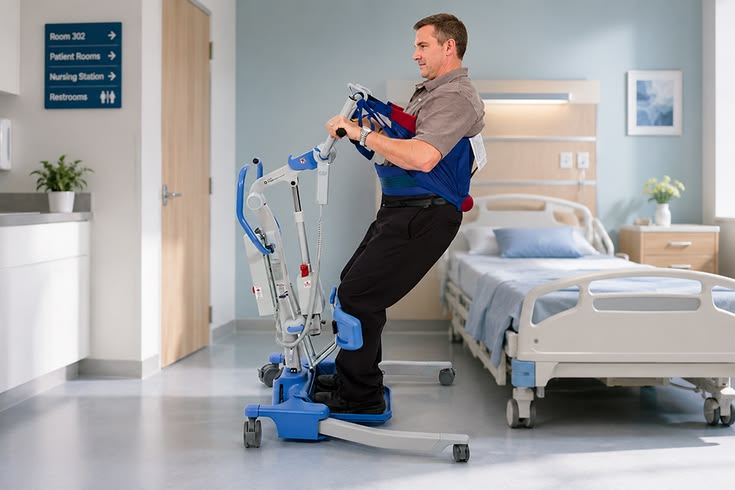
Stand lifters provide practical support for individuals who have difficulty standing independently or moving between seated and standing positions. Commonly used in aged care facilities, hospitals, rehabilitation centres, and home care environments, these devices help make patient transfers safer and more manageable. They are designed to assist eligible individuals with standing while providing stability and support throughout the movement process. By reducing the physical effort required from both patients and caregivers, stand lifters can help improve comfort, encourage participation in daily activities, and support greater independence. Choosing suitable equipment can also make everyday care routines more efficient while helping maintain safety and dignity.
Improving Safety During Patient Transfers
Patient transfers are an essential part of daily care, particularly for individuals who experience reduced mobility, muscle weakness, balance difficulties, or age-related physical changes. A stand lifter can support transfers for individuals who need assistance moving between sitting and standing positions. Moving from a bed to a wheelchair or rising from a chair can present challenges when a person cannot stand without assistance. Stand lifters are designed to support these movements by providing a stable lifting mechanism and appropriate body support. Depending on the model, they may include a supportive sling, a padded knee rest, footplates, and secure handholds to help individuals maintain a suitable position throughout the transfer. By reducing reliance on manual lifting, these devices can help minimise the risk of falls, sudden movements, and physical injuries when used correctly.
Another important benefit of stand lifters is their ability to provide consistent support during routine mobility activities. Caregivers can use the equipment to assist eligible individuals with standing and transferring while maintaining greater control over the movement process. Before using a stand lifter, it is essential to assess the person’s strength, balance, ability to follow instructions, and capacity to bear weight through their legs. The equipment must also be suitable for the individual’s body size and specific mobility requirements. Correct positioning, secure attachments, and adherence to the manufacturer’s operating instructions are essential for safe operation. When these precautions are followed, stand lifters can become a valuable part of a structured patient handling plan.
Reducing Physical Strain on Caregivers
Assisting individuals with standing and transferring can place considerable physical demands on caregivers, especially when these activities are repeated throughout the day. Manually supporting a person’s body weight can strain the back, shoulders, arms, and other muscle groups, particularly when the individual has difficulty maintaining balance or controlling their movements. Stand lifters help reduce these demands by using a mechanical lifting system to provide controlled assistance during the standing process. Instead of relying entirely on physical strength, caregivers can guide the movement, monitor the individual’s position, and provide reassurance throughout the transfer. This can help reduce the risks associated with repetitive manual handling and contribute to safer working conditions in healthcare and home care settings.
Reducing physical strain can also help caregivers maintain their energy and concentration during demanding care routines. In facilities where staff regularly assist multiple individuals, suitable lifting equipment can make essential transfers more manageable and consistent. Stand lifters may help simplify movements between beds, chairs, wheelchairs, and other appropriate locations, depending on the device’s design and the person’s capabilities. However, the equipment should not replace individual assessment, appropriate staffing, or safe handling procedures. Caregivers must understand how to position the person correctly, operate the controls, and respond if the individual becomes uncomfortable or unstable. Combining suitable equipment with practical training and clear care procedures can support caregiver wellbeing while maintaining appropriate standards of patient safety.
Supporting Independence and Everyday Mobility
Maintaining independence is an important goal for individuals who experience mobility limitations. Difficulty standing from a seated position can make ordinary activities, such as getting out of bed, moving to a chair, or preparing for personal care, increasingly challenging. Stand lifters provide assistance with these movements while allowing eligible individuals to participate actively in the transfer process. Unlike equipment designed for fully dependent lifting, many stand lifters are intended for people who can bear some weight through their legs and contribute to standing with appropriate support. This involvement can help individuals remain engaged in everyday movements rather than relying entirely on caregivers for every transfer. The level of assistance required will depend on the person’s physical abilities and the design of the selected device.
Stand lifters may also support rehabilitation goals by helping individuals practise supported standing as part of an appropriate care or therapy programme. For some people, maintaining the ability to participate in standing movements can contribute to confidence and engagement in daily activities. A physiotherapist or other qualified healthcare professional can assess whether a stand lifter is suitable and determine the level of support required. It is important to recognise that these devices are not appropriate for everyone, particularly individuals who cannot safely bear weight, have insufficient trunk control, or cannot cooperate with the transfer procedure. The person’s abilities should be reassessed when their physical condition changes. With appropriate supervision and individualised support, stand lifters can help eligible users participate more comfortably in everyday mobility activities.
Enhancing Comfort and Dignity During Daily Care
Comfort and dignity are essential considerations when providing assistance with personal care and mobility. Individuals who need help standing may feel anxious about falling, losing balance, or depending on another person for routine movements. Stand lifters can help create a more controlled transfer experience by providing appropriate support and reducing the need for caregivers to lift or reposition the individual manually. Depending on the model, features such as padded knee supports, secure footplates, ergonomic handles, and suitable slings can improve comfort during use. Selecting equipment that fits the person’s physical requirements is important because poorly positioned supports or unsuitable attachments may cause discomfort and compromise safety. Caregivers should explain the transfer process clearly and ensure the individual understands what to expect before operating the equipment.
Respectful communication can make a significant difference to how individuals experience assisted transfers. Caregivers should encourage participation whenever possible, check that the person feels comfortable, and allow sufficient time for each movement. Privacy should be maintained during personal care, and individuals should be involved in decisions about their preferred transfer methods wherever practical. Regularly checking the condition of the sling, straps, padding, and other contact points can also help identify issues that may affect comfort. In addition, caregivers should observe the individual’s response throughout the process and stop if there are signs of distress or a problem with the equipment. By combining suitable lifting technology with patience and respectful care, stand lifters can help make daily transfers more comfortable while preserving personal dignity.
Choosing the Right Stand Lifter for Long-Term Care Needs
Choosing a suitable stand lifter requires careful consideration of the individual’s mobility, physical condition, and everyday care requirements. Important factors include weight capacity, the person’s ability to bear weight, trunk stability, available space, ease of operation, and compatibility with any required sling or support accessories. Some devices are designed for frequent transfers in professional care facilities, while others may be more appropriate for residential settings. The equipment should also fit the intended transfer environment, including the space around beds, chairs, and wheelchairs. Assessing these requirements before purchasing a stand lifter can help ensure that the selected model is practical, comfortable, and suitable for its intended use.
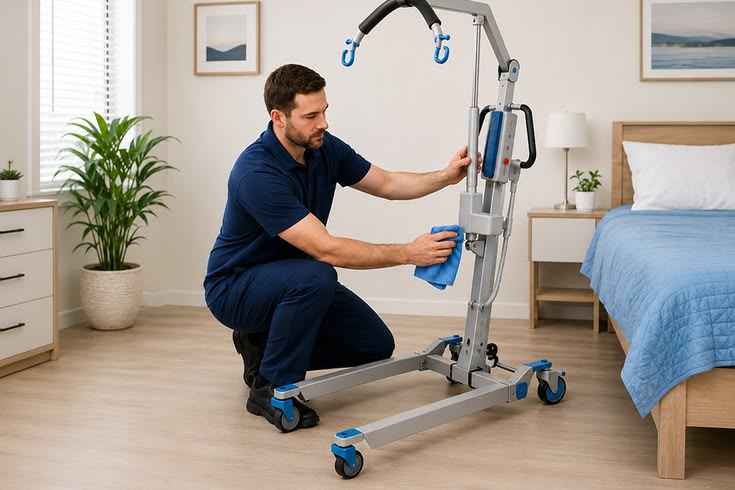
Long-term reliability depends on correct installation where applicable, regular inspection, routine servicing, and appropriate caregiver training. Staff and family members responsible for operating the device should understand the controls, safe positioning procedures, weight limits, and emergency instructions provided by the manufacturer. Before each use, essential components such as straps, slings, brakes, wheels, and lifting mechanisms should be checked according to the equipment’s instructions. Any signs of damage, unusual movement, or mechanical malfunction should be addressed before the device is used again. Professional advice may also be necessary when an individual’s mobility or care needs change over time. These precautions help maintain equipment reliability and reduce avoidable risks during patient transfers.
Investing in an appropriate stand lifter can offer meaningful benefits for individuals who require assistance with standing and everyday movement. By supporting safer transfers, reducing physical strain on caregivers, and encouraging active participation, these devices can contribute to more effective care routines. Their suitability depends on individual assessment, correct operation, and the person’s ability to participate safely in supported standing. Regular maintenance and proper training are equally important for ensuring dependable performance over time. For families, healthcare providers, and aged care professionals, choosing the right stand lifter can help create a more supportive environment that prioritises safety, comfort, dignity, and mobility.










Leave a comment