






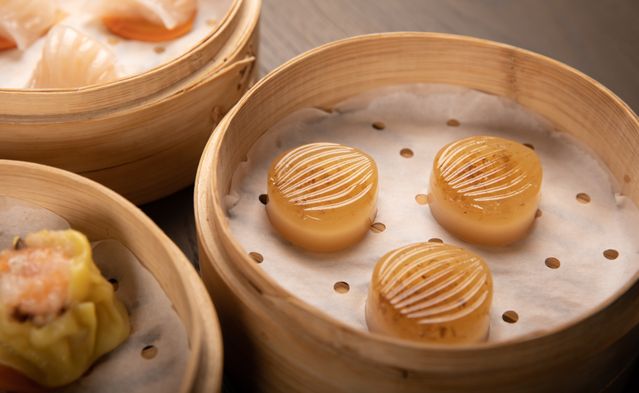
Walk into a busy yum cha restaurant on a Sunday morning and it can feel like stepping into controlled chaos. Trolleys weave between tables, steam rises from bamboo baskets, waiters call out dish names and every table seems to be ordering faster than you can read the menu. For first-timers, it is equal parts exciting and intimidating.
Yum cha, which loosely translates as “drink tea”, is a Cantonese tradition of sharing small dishes over pots of tea, usually from mid-morning to early afternoon. Once you understand a few customs, it becomes one of the most enjoyable meals around. It also helps to know some of the basics of the food itself, including the difference between a dim sim and a dim sum, a distinction that trips up plenty of Australians.
Go early, go hungry
Popular yum cha restaurants fill up quickly on weekends, especially around late morning. Arriving early often means a shorter wait and the freshest selection of dishes.
Yum cha is designed for sharing, so it is best enjoyed in a group. Four to eight people is ideal, allowing you to order a wide variety without overloading the table.
Tea comes first
Tea is central to the yum cha experience. Shortly after you sit down, staff will usually ask what tea you would like. Popular choices include jasmine, oolong, pu-erh and chrysanthemum.
Pour tea for others before filling your own cup. It is a small gesture of respect and hospitality.
You may notice people tapping two or three fingers on the table when someone refills their cup. This is a traditional way of saying thank you without interrupting conversation.
If the teapot is empty, leave the lid slightly ajar or flipped. Staff will take this as a signal to bring a refill.
How ordering works
Traditional yum cha restaurants use trolleys pushed around the dining room, each carrying a selection of dishes. When a trolley stops at your table, staff will show you what is available. Point to what you would like, and they will stamp or mark a card on your table to keep track of your order.
Many restaurants also offer menus or ordering sheets, which can make it easier to request specific dishes.
Do not feel pressured to say yes to everything. If something does not appeal, a polite “no, thank you” is perfectly acceptable.
Classic dishes to try
If you are new to yum cha, some favourites are a good place to begin.
Har gow are delicate prawn dumplings with translucent wrappers. Siu mai are open-topped pork and prawn dumplings. Char siu bao are fluffy steamed buns filled with sweet barbecue pork. Cheung fun are silky rice noodle rolls filled with prawns, beef or barbecue pork and drizzled with sweet soy sauce.
Other popular choices include spring rolls, sesame prawn toast, fried taro dumplings and steamed spare ribs.
For dessert, look out for egg tarts, mango pancakes and sesame balls.
Be adventurous
Once you are comfortable, try something new. Chicken feet, beef tripe and sticky rice wrapped in lotus leaf are loved by regulars. Even if you are unsure, sharing a single serve with the table is a low-risk way to experiment.
Sharing etiquette
Dishes are placed in the centre for everyone to share. Use serving spoons or the opposite end of your chopsticks when taking food from shared plates if serving utensils are not provided.
Avoid sticking chopsticks upright in a bowl of rice, as this resembles incense offerings at funerals and is considered bad luck.
Pace yourself
Yum cha can be a long, leisurely meal. Dishes arrive throughout, so do not fill up on the first few baskets. Take your time, chat and enjoy the atmosphere.
Paying the bill
When you are ready to finish, ask for the bill. Staff will calculate the total from the card on your table. In many families and friendship groups, there can be friendly competition over who pays, which is part of the tradition.
Bringing children along
Yum cha is wonderfully family-friendly. Children usually love the variety of small dishes, the steam rising from bamboo baskets and the excitement of trolleys arriving at the table. Start them with familiar flavours such as spring rolls, prawn toast, barbecue pork buns and egg tarts, then let them try something new if they are curious. High chairs are often available, and the lively atmosphere means a little noise from younger diners is rarely a problem. Going a little earlier in the morning can help avoid the busiest crowds.
A meal to savour
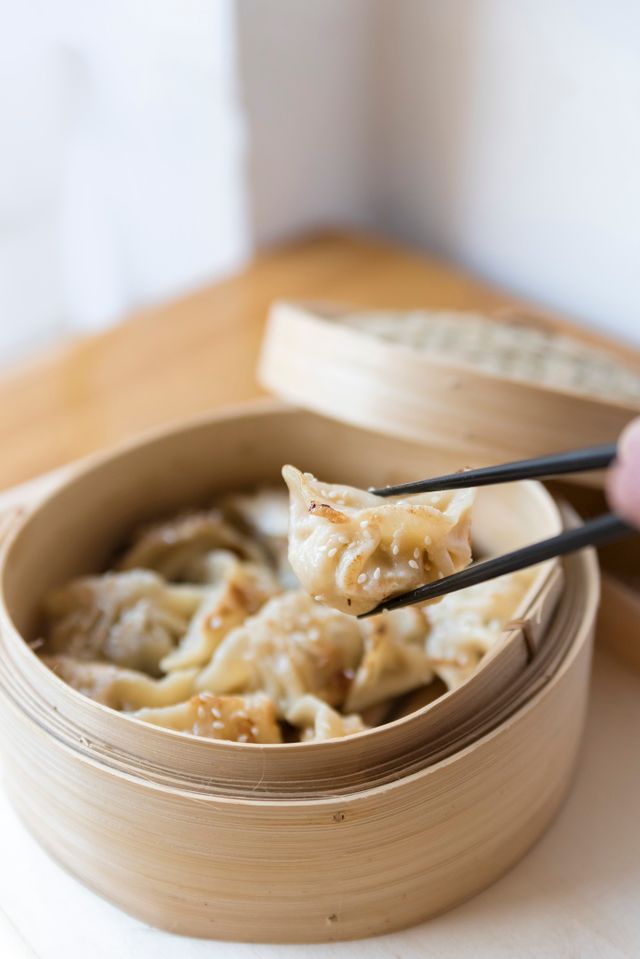
Yum cha is more than food. It is about family, friends, conversation and taking time to enjoy a meal together. Once you know a few customs, it becomes a weekend ritual you will want to return to again and again.










Leave a comment