






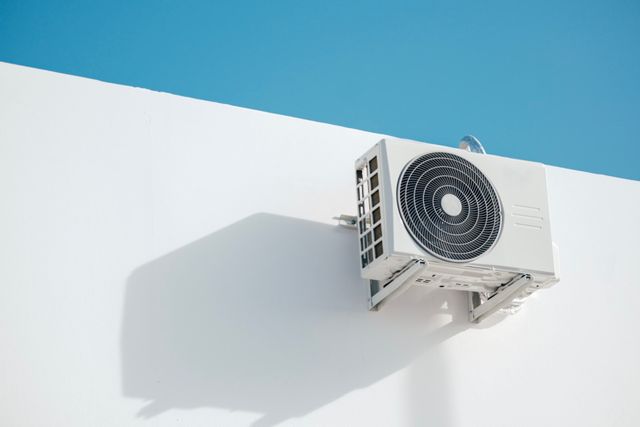
An office in Wagga Wagga may face a frost at dawn during a July day, while finishing a January day above 40°C. Few climates would impose such high demands on a single building to handle both extremes effectively. This is the reason why commercial heating and cooling Riverina needs to be given some more thought.
One Building, Two Seasons
Even though the summer climate is generally seen as the priority, winter mornings may be just as challenging for both employees and clients. A cold reception area, cold consultation rooms and drafty workshops make a rather bad impression of the whole establishment. The best heating and cooling systems that can be offered for commercial Riverina workplaces are those designed to withstand the whole year round.
Furthermore, each kind of business has its own seasonal peculiarities. For example, a medical centre needs warm and quiet rooms where sick people can feel comfortable.
Heating Options That Suit Commercial Spaces
Reverse cycle aircon is still the most common choice because one system can handle both heating and cooling, it’s a no-brainer. Ducted and VRF systems can section off your building into zones, so areas that are always busy stay nice and toasty while empty rooms don’t get too warm. Some VRF systems with heat recovery can even warm one part of the building while cooling another, talk about multitasking.
Now, hydronic heating is a whole different ball game. Hot water circulates through panels or radiators, or even through the floors, giving you a gentle, even warmth without any of that annoying air movement. That’s exactly what makes it so appealing for schools, aged care places, medical buildings and offices where you really do need to feel comfortable, and quietly at that. And of course, when summer rolls around, you usually need a separate system for cooling.
For really big sheds or workshops, you can usually get away with some targeted solutions:
- Radiant heaters that focus heat right where people need it.
- A spot of cooling for the staff who are always working in one particular area.
- Ceiling fans that just push that warm air back down from the high roof.
Winter Still Needs Some Fresh Air
You can’t just close all the doors and windows to keep the warmth in, that just leads to another kind of problem. In crowded offices, lecture halls, and waiting areas, stale air tends to accumulate really quickly. You get sleepy, bad odours stick around and pretty soon the whole place feels stuffy.
A properly designed ventilation system makes sure that you’re getting a bit of fresh air in, without losing all the warmth. And if you go for a ventilation system with heat recovery, you can use all that hot air that’s being exhausted to warm up the new air that’s coming in.
Design Takes Priority Over Equipment
Any successful commercial project starts with some nitty-gritty numbers, not brand names plastered all over the place. A proper design takes all these things into account:
- How big the building is, what kind of insulation you’ve got in place, and how much glass is in the windows.
- How many people are going to be using each space, and when.
- What kind of heat you’re going to be getting from machinery, kitchens and computers.
- Where you’ve got ducts, what kind of roof space you’ve got and what you’re going to do if you need to expand later on.
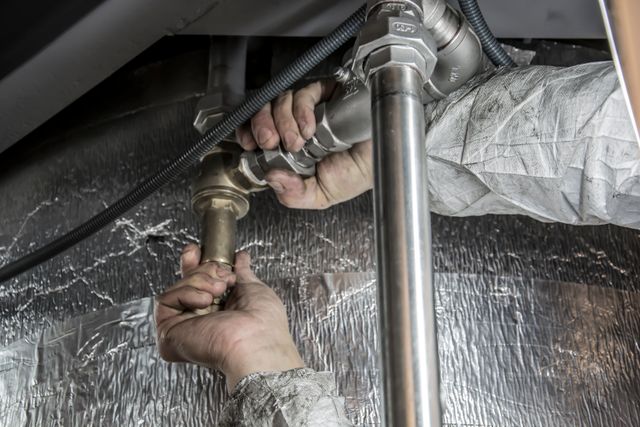
Ductwork is usually the hidden weak point, if it’s not the right size or it’s got leaks, you’re wasting energy and some rooms are going to be too warm while others are too cold. And after you’ve installed everything, you need to get airflow and water balanced right so that each zone is getting what the design said it was supposed to get.
Running Costs Over the Seasons
Heating and cooling are usually two of the biggest energy expenses in the company’s budget. Energy ratings are pretty handy when you’re comparing similar units, and if you get some smart controls, you can make sure that the system isn’t running for nothing when nobody is around. A system might be a bit more expensive to install, but if it’s really efficient, it’ll be cheap to run.
Solar roof panels work best in summer, when the sun is shining brightly, and you need the cooling.
Timing an Upgrade the Right Way
There’s no point installing a system when the staff has to put up with it in the middle of the cold or hot season while the installers are battling the elements. Spring or autumn is usually the best time to do it, you get enough time to get the installation done and then you can get used to the new system before the next season rolls around. Just don’t leave it until you really need to, or you might end up paying a premium for a rush job.
And don’t forget to get your system serviced regularly, you don’t want the heating mode to seize up in the first frost, or the cooling mode to fail before summer does its thing.






Leave a comment