





Interior construction and fit-out work depends on precise horizontal and vertical reference lines that tradespeople can work from confidently throughout a project. A crossline laser provides exactly this, projecting bright, accurate lines across walls, floors and ceilings that allow alignment and levelling to be carried out quickly and correctly without the need for constant manual checking. For builders, tilers, carpenters and other trades working across a range of interior applications, this kind of tool reduces setup time and improves the accuracy of the finished work.
Types of Work a Crossline Laser Is Used For
A crossline laser suits a wide range of interior construction and finishing applications, which is part of what makes it such a practical addition to a tradesperson’s toolkit. Wall layout and partition alignment rely on precise vertical lines that allow stud placement, plasterboard fixing and door frame positioning to be carried out consistently across a full room. Tiling and flooring work benefits from both horizontal and vertical reference lines that keep rows straight and square without the need for constant re-measurement. Ceiling track and suspended ceiling grid installation depends on accurate level lines to ensure the finished ceiling sits correctly across the full span of the room. Cabinet installation, built-in joinery and finish carpentry all rely on the same crossline laser capability to achieve clean, accurate results that hold up under inspection.
How a Crossline Laser Is Set Up and Operated
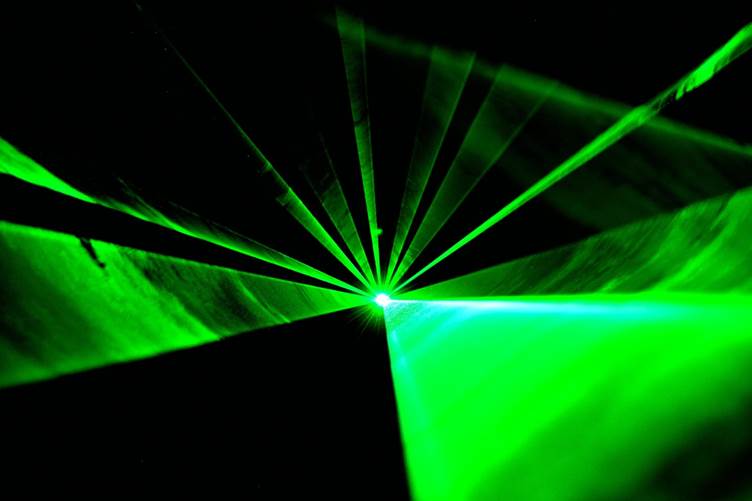
A quality lt52 redlaser with crossline is designed to be fast to set up and easy to use across a busy workday. The unit self-levels within a few seconds of being placed on a surface or mounted to a bracket, eliminating the manual adjustment that older instruments required. Red beam crossline lasers project both a horizontal and a vertical line simultaneously, with 5-point dot projection available on more versatile models for point transfer up and down as well as squaring layouts. Rechargeable lithium-ion batteries provide all-day operation without the need to carry spare alkalines, and a hard-shell storage case protects the unit between jobs and during transport. The compact, rugged housing is designed to handle the conditions of a working construction site, including accidental drops that would compromise a less durable instrument.

Benefits of Adding a Crossline Laser to the Toolkit
The time saving and accuracy improvement delivered by a crossline laser compound across a project, with benefits accumulating each time alignment needs to be checked or transferred. Tasks that previously required two people and a chalk line can be completed faster by a single tradesperson working from the laser reference, reducing both labour time and the risk of measurement error. Consistent, accurate lines also mean less remedial work later in the project, which is particularly valuable in tiling and flooring where out-of-square layouts become increasingly difficult to correct as work progresses. For trades who work across multiple interior applications within the same project, a single crossline laser replaces several individual layout tools, simplifying the toolkit without sacrificing capability.









Leave a comment