




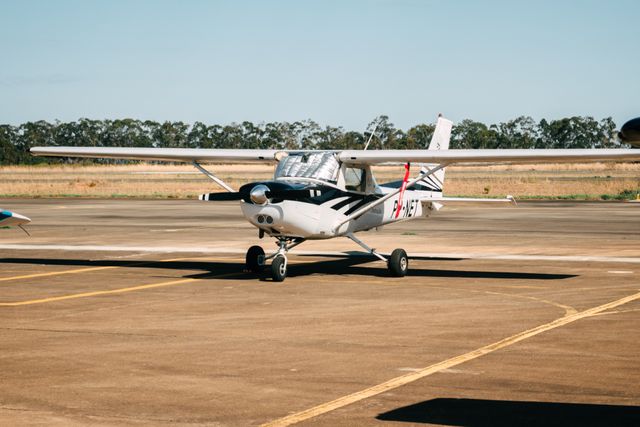
There’s a moment that catches almost every first-time aircraft buyer in Australia cold, and it happens right when they see an airworthy Cessna online for a price that seems as reasonable as a decent second-hand car. Mental arithmetic kicks in and they start to wonder just how much owning an aircraft might cost. A price tag that initially seemed manageable is suddenly getting a whole lot bigger.
The Licence Question Has to Come Before You Start Shopping
Before you even start looking at listings, you need to figure out whether you can actually fly the thing, because the regulatory maths can be very different once you start talking to people in the know. CASA’s licensing framework for planes for sale Australia breaks aircraft down into different categories, and the licence you need depends entirely on what category that specific plane falls into. So if the aircraft you’re after needs a Private Pilot Licence, then that’s the licence you’ll need. If it’s a Recreational aircraft and you only hold an RA-Aus certificate, you’ve got a problem, as does the seller.
Buying a General Aviation aircraft with only an RA-Aus certificate, or vice versa, is basically a non-starter, and I mean that in the most literal sense. That’s not just some minor fine print; it’s the starting point for every sensible buying conversation you’ll have.
Reading the Fine Print on the Price Tag
A listing price only tells half the story. The first thing you need to look for is the engine hours relative to the manufacturer’s recommended time between overhauls. So if you see an engine at 1,800 hours against a TBO of 1,900 hours, then you’re staring down the barrel of a costly major overhaul, we’re talking $15,000 to $30,000 here, or possibly more. That number will be sitting quietly behind the purchase price, and it probably wasn’t mentioned anywhere on the listing.
It’s also pretty important to check the logbook continuity, i.e., have the annual inspections been done and has the aircraft been kept up to date with Airworthiness Directives? If not, then the seller is going to have a lot of explaining to do, or maybe it’s the buyer who’s in for a nasty surprise. The best way to avoid all that trouble is to get an independent inspection done by a Licensed Aircraft Maintenance Engineer, and that’ll typically set you back anywhere from $300 to $800. Worth every cent, if you ask me.
The Three Costs That’ll Wipe Out Your Budget
Then there are the costs that most first-time buyers completely underestimate and they’re not things you’ll see on the listing either. Hangar fees at places like Sydney or Melbourne can be anywhere from $500 to $1,500 a month for a single-engine aircraft. Regional airports are a bit cheaper, but you’re not getting any protection from the elements or birds, so it’s not a lot of use. Annual airworthiness inspections aren’t cheap either; you’ll need to get a LAME to sign off on it, and the cost depends on the complexity of the aircraft. And don’t even get me started on the insurance premiums; that’s typically a minimum of $1,500 to $4,000 a year, depending on your hours flown.
All in all, these costs can add up, and they’re not exactly what you call ‘optional extras’ when you’re trying to keep your annual ownership costs down.
New vs Used: Understanding the Trade-off
There are manufacturer warranties and predictable maintenance schedules when it comes to new recreational and sport aircraft. Although the cost incurred up front is high, the factors remain limited, and there won’t be many unexpected surprises as well. The used aircraft will give you better value for money in return for the greater due diligence effort. A good-looking aircraft does not necessarily mean that everything is okay. An independent LAME needs to inspect the aircraft thoroughly.
Syndicates need some consideration. When you own a part of an aircraft with two to four other pilots, your expenses will be proportional to your share. There are plenty of aircraft in Australia which are offered as fractional shares. For a pilot who has only just started flying, a quarter share of a well-maintained aircraft is more feasible than ownership.
The Information that Your Logbook Doesn’t Give You
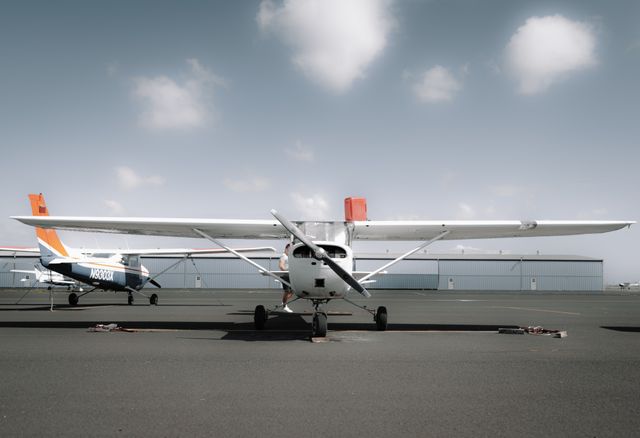
Complete and compliant logbooks will ensure that the maintenance history is documented well. Heavy landings, abrupt power changes, and constant operation of aircraft at maximum gross weight will speed up the process of wear. Flying the aircraft with the seller to see their handling skills, along with any other unusual feeling that comes across when controlling the plane, would be helpful.
The truth about private aviation in Australia is that it is more accessible than most people realise. It is the preparation behind the purchase which distinguishes the owners calling their experiences as life-changing from those who sell their aircraft in eighteen months and move on.







Leave a comment