






Most people buying an EV charging system in Perth walk off with a box. An actual unit, a cable and an app. They rarely give a thought to whether it’s actually going to suit their property, their vehicle and life in a couple of years when the EV game looks totally different from how it is today. Perth’s EV market is moving fast and we’re already seeing homes with dodgy installations that cost owners an arm and a leg because they didn’t get their priorities right from the start. The good news is that getting it right isn’t rocket science; it just takes a bit of common sense to ask the right question before you start handing over cash.
Start With What Powers Your House, Not the Catalogue
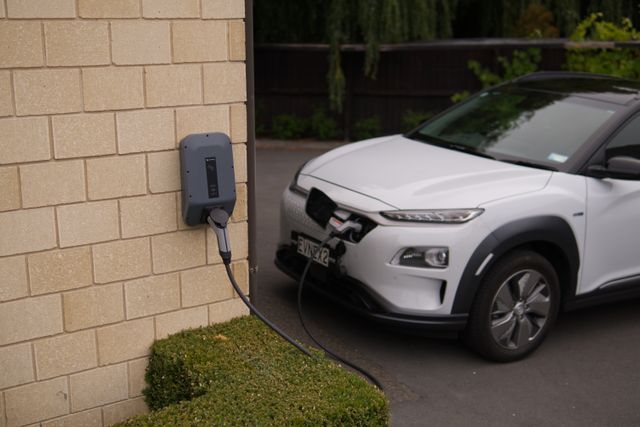
Before you even pick an ev charging systems perth, you need to get a good understanding of what you’ve got powering your house. Single-phase supply covers a lot of Perth homes, and that’s good for AC chargers up to 7kW. But if you’ve got three-phase supply then you can go all the way to 22kW AC charging, but the catch is your car has to be able to handle it as well. Most EVs on Australian roads won’t accept more than 11kW AC on board, so a 22kW charger is probably just a luxury most people don’t need. And then there’s the switchboard; was it put in before 2000? If so, you might need to get it checked and possibly even upgraded before you can safely run a charger at full whack. It’s not just admin stuff, it affects how much your installation is going to cost.
Where AC Charging Makes Sense?
For most people in Perth AC charging is the way to go. A properly fitted 7kW single-phase unit connected to a smart charging platform to control the charging of your EV overnight is all you need. And if you’ve got a small commercial site, even better; you can scale it up and balance the load across multiple points without having to do any major earthworks, as with DC charging.
When you’re comparing brands in the Australian market, a long warranty is a good sign but having a local support team is way more important over the course of five years. A cheaper charger that can’t get any local help when things go wrong starts to look expensive.
DC Charging, For the Right Sort of Place
DC fast charging lets the charger just pump power straight into your battery, skips the onboard AC converter and gets your car charged way faster. That makes it a good idea for high-traffic areas, retail shopping car parks, hospitality venues or commercial car parks in Perth. But for a home garage? Never. The power supply requirements, the earthworks and the price of the hardware just aren’t worth it for a household charging cycle. Any company that comes out with DC charging for a home without a good reason should be asked to explain themselves.
The Software Layer Most Perth Buyers Ignore
It is in the intelligence layer of a charging system where long-term value creation or loss happens, and this is the part most buyers pay least attention to. The Open Charge Point Protocol, OCPP, defines whether the charger can be controlled across different software platforms. Closed, proprietary systems tie the buyer to just one vendor and limit the buyer’s freedom of choice in the future. Software features to check off before buying:
Ability to schedule usage based on Synergy’s off-peak tariffs
- Solar compatibility for properties with an existing rooftop solar system.
- Ability for remote diagnostics for fault detection without on-site technician involvement.
- Ability to balance the load across several charging points for business installations or multi-car households.
- Firmware updates available over-the-air without service call to the premises.
Different Strategy Is Needed for Apartments
Typical residential charging systems do not work in the strata property environment because of lack of load management. When several residents charge their cars at once during the peak evening hours, the non-managed system will either overload the property’s electrical supply or make the body corporate incur unnecessary expenses of upgrading its power supply that could have been easily planned in advance. The issue of billing is quite another one; each resident should have their charging cost allocated separately, which is only possible through individual meters installed at every charging point or via an integrated billing platform within the charging network. Western Australia legislation provides a way for obtaining the body corporate permission for installing EV charging infrastructure in strata properties, but it takes special documentation and electrical assessment by a specialist. Installing a scalable managed system from scratch proves cheaper than retrofits after the number of electric vehicles in a property becomes greater.








Leave a comment