






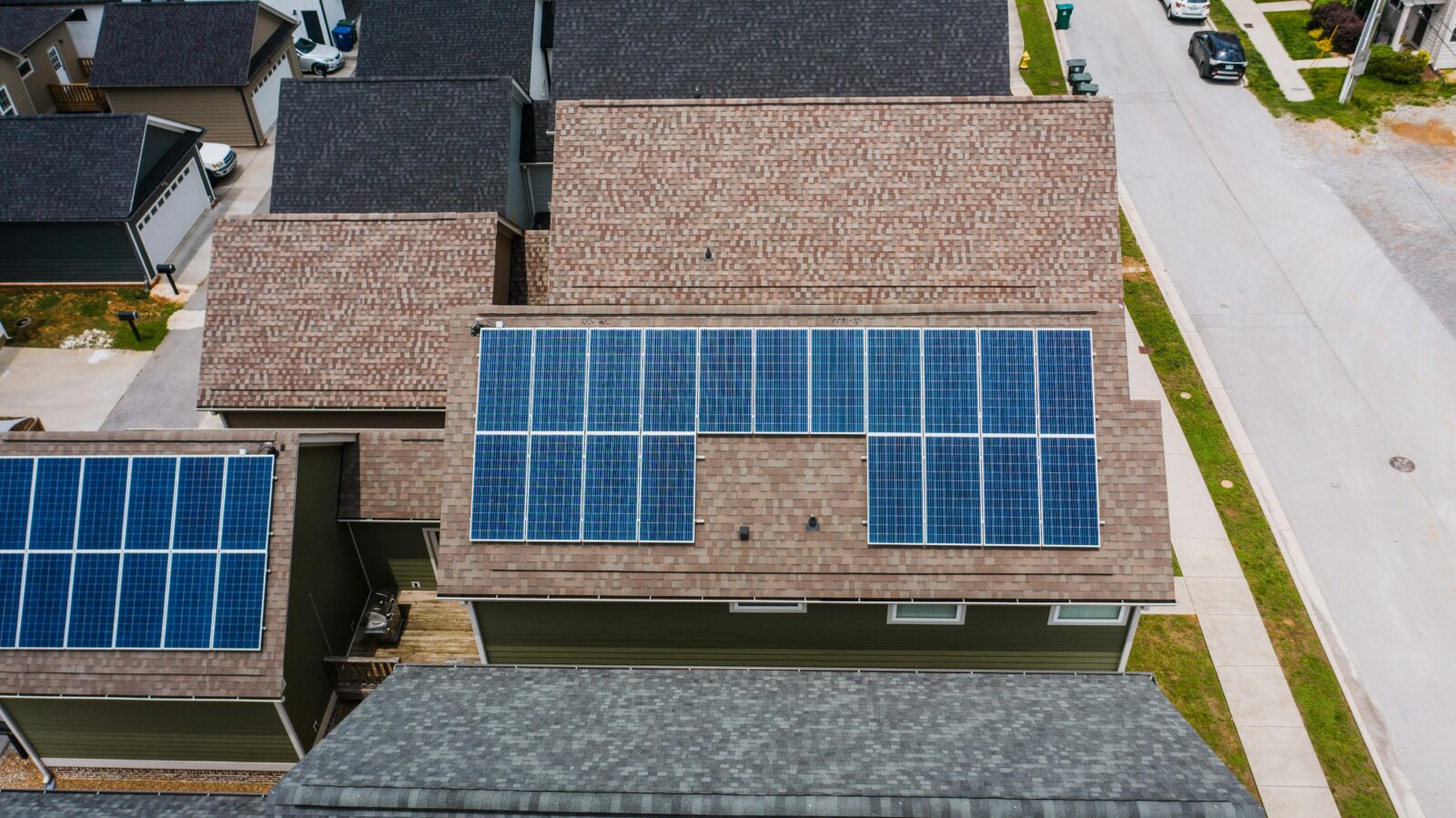
Solar energy is more than just a buzzword in today’s eco-conscious world. It’s rapidly becoming a viable alternative to traditional energy sources, and for good reason. Imagine harnessing the power of the sun to light up your home while slashing those pesky electricity bills. The benefits of solar energy extend beyond just cost savings; they also contribute significantly to environmental sustainability.
As more homeowners consider making the switch, understanding the return on investment (ROI) of solar systems becomes essential. Many wonder if going green is worth it financially or if it’s simply another trend that will fade away with time. Dive into this guide as we unravel what makes solar energy an attractive option and how you can reap its rewards!
Explaining the Return on Investment (ROI)
Return on Investment, or ROI, is a crucial metric when considering solar energy systems. It helps potential buyers understand the financial benefits of their investment over time.
Calculating ROI involves comparing the costs associated with installing sunenergy solar panels against the savings generated from reduced electricity bills. The formula typically considers installation expenses, maintenance costs, and any financing fees. This calculation can reveal how long it will take to recoup your initial investment.
A positive ROI indicates that you’ll save money in the long run. Many homeowners find that an efficient system pays for itself within 5 to 10 years. After this period, you reap significant savings while enjoying clean energy.
Additionally, a good ROI reflects increased property values. Homes equipped with solar panels often sell at higher prices compared to those without them because buyers appreciate lower utility costs and sustainable solutions.
Factors that Affect ROI of Solar Energy Systems
Several factors play a crucial role in determining the return on investment for solar energy systems.
Location is one of the most significant elements. Areas with high sunlight exposure will typically yield better performance from solar panels, maximizing energy production and savings.
The size and efficiency of the system also matter. Larger installations can generate more electricity, but selecting high-efficiency panels ensures you get more power from less space.
Installation costs vary widely based on local labor rates and equipment prices. Competitive quotes can significantly enhance ROI if you shop around.
Energy consumption patterns impact savings as well. Homes that consume large amounts of electricity stand to gain more from switching to solar since they offset a larger portion of their utility bills.
Maintenance costs should not be overlooked. Regular upkeep helps sustain system efficiency over time, directly influencing overall returns on your investment in solar energy.
Tax Incentives and Rebates for Solar Energy
Tax incentives and rebates can significantly enhance the financial appeal of solar energy systems. Various programs are designed to ease the initial investment burden for homeowners and businesses alike.
One of the most notable incentives is the federal Solar Investment Tax Credit (ITC). This allows you to deduct a percentage of your solar installation costs from your federal taxes. It’s a direct way to reduce what you owe, making it easier to adopt renewable energy solutions.
Many states also offer additional rebates or credits that help offset installation expenses. These programs vary widely, so it’s essential to research what’s available in your area.
Local utility companies may provide further incentives, such as cash rebates for installations or net metering policies that let you earn credit for excess power generated. By taking advantage of these opportunities, switching to solar becomes not only environmentally responsible but financially savvy too.
Long-Term Savings and Environmental Impact of Solar Energy
Investing in solar energy goes beyond just immediate financial returns. The long-term savings can be significant. Many homeowners experience a dramatic reduction in their electricity bills once they install solar panels. This cost-effectiveness means that over the years, your initial investment can pay itself off multiple times.
But it’s not solely about the money; there’s also a profound environmental impact to consider. Solar energy is a clean, renewable resource that significantly reduces carbon emissions compared to fossil fuels. By opting for solar power, you contribute to a more sustainable future and help combat climate change.
Additionally, as technology improves and becomes more efficient, the performance of solar systems continues to enhance over time. More efficient panels mean higher energy output with less space required.
Choosing solar isn’t just an investment in your property but also an investment in the planet’s health for generations to come. Embracing this green technology enables individuals and businesses alike to play their part in creating a cleaner environment while enjoying substantial savings on energy costs throughout the life of their system.










Leave a comment