






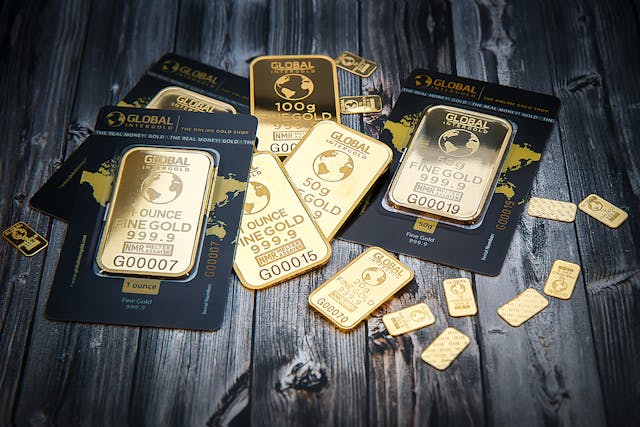
Silver tends to come back into the conversation whenever confidence gets shaky.Sharemarkets wobble, inflation starts dominating headlines, interest rates stay uncomfortable, and people begin looking for assets that feel a bit more solid. In those moments, a lot of first-time buyers end up asking “is it worth buying silver bullion”?
The honest answer depends on what the buyer wants from it. Silver can play a useful role, but it is not a magic shield against every rough patch in the economy. It is a physical asset with a lower entry price than gold, stronger price swings, and a different mix of risks and advantages. For some people, that combination makes sense. For others, it quickly becomes more complicated than it first appears.
Silver appeals because it feels tangible
A big part of silver’s appeal has nothing to do with charts. People like the fact they can physically own it. No platform login, no abstract promise, no reliance on a company balance sheet. You buy it, store it, and it exists in front of you.
When markets feel unstable, that kind of ownership becomes more attractive. Plenty of buyers are not chasing huge returns. They simply want part of their money sitting in something real, outside the usual paper assets.
The lower price makes it easier to enter
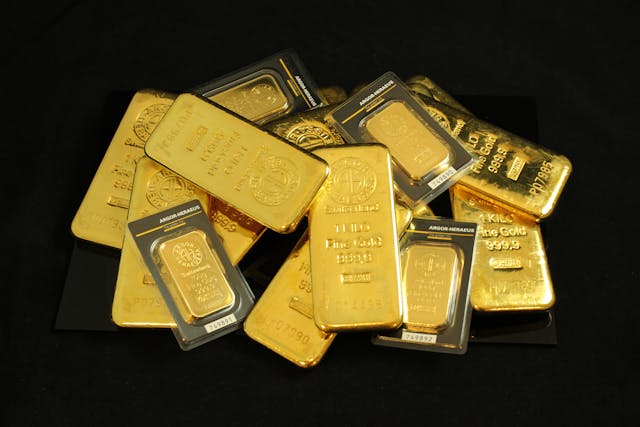
Gold gets most of the prestige, though silver is often easier for ordinary buyers to start with.The upfront cost is lower, which means someone can begin building a position without needing a large amount of capital straight away.
That accessibility is one reason silver keeps drawing in first-time bullion buyers. It feels less intimidating. Someone can buy a smaller amount, get comfortable with the process, and decide later whether precious metals deserve a bigger place in their finances.
Silver moves around more than many buyers expect
This is where enthusiasm sometimes outruns judgement. Silver is not especially calm. Prices can move sharply, and the swings often feel bigger than people expect from something they mentally filed under “safe”.
Some investors like that because it creates more upside potential than gold in the right conditions. Others find it frustrating because the price can be jumpy and sentiment-driven. Anyone buying silver should be prepared for movement, not assume it will behave like a quiet store of value.
It sits between investment metal and industrial metal
Silver has a split personality. It is a precious metal, but it also has industrial uses. Electronics, solar, manufacturing, and other sectors all influence demand. So the price is not only driven by fear, inflation, or investor nerves.
That makes silver interesting, but also less straightforward. Gold often gets treated as a pure defensive asset. Silver does not fit as neatly into that box. Economic growth can support it. Weak industrial activity can drag on it. Investor sentiment can push it around on top of all that.
Storage becomes part of the decision
Owning physical silver sounds simple until someone starts buying more of it. Then the practical side shows up. Bars and coins take up space. Storage needs to be secure. Insurance may become relevant. Resale also matters, especially if the buyer wants flexibility later.
Silver is bulkier than gold for the same value, so storage becomes a bigger issue sooner. For a modest holding, that may not matter much. For larger amounts, it definitely does.
Premiums matter more than beginners realise
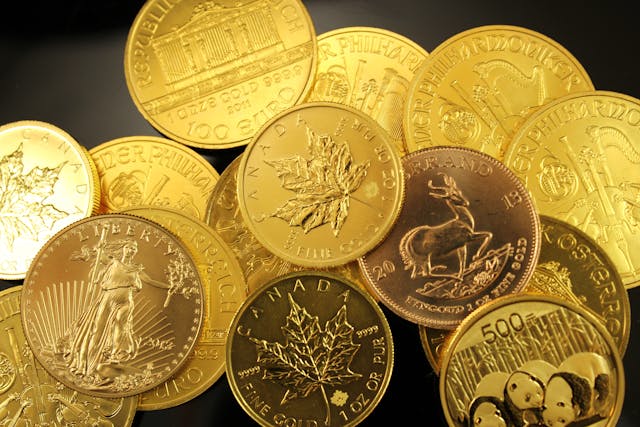
A lot of new buyers focus on spot price and stop there. Real purchasing is not that neat. Dealers charge premiums, and those premiums can vary depending on product type, size, and market conditions. Then there is the gap between what you pay to buy and what you are likely to receive when selling.
So even if silver looks cheap per ounce compared with gold, the real entry cost needs a closer look. Product choice matters. Dealer choice matters too.
Silver works better as part of a plan
Silver usually makes more sense when it has a job to do. Maybe the aim is diversification.Maybe the buyer wants some physical assets outside the banking system. Maybe they want exposure to precious metals but are not ready to buy gold at a higher price point.
What tends to work less well is buying silver in a rush because the news cycle feels grim. Emotional buying can happen with any asset, though it is especially common when people start talking about uncertainty in broad dramatic terms.
So is it worth buying?
It can be. Silver bullion may suit buyers who want a tangible asset, a lower-cost entry into precious metals, and something a bit different from shares or cash. It may suit them less if they want stability above all else, dislike price swings, or have not thought through storage and resale properly.
A better way to frame the question is this: what role is silver meant to play? Once that is clear, the decision becomes much easier. Silver is not automatically a brilliant move, and it is not automatically a bad one either. It just needs to match the reason for buying it.









Leave a comment