






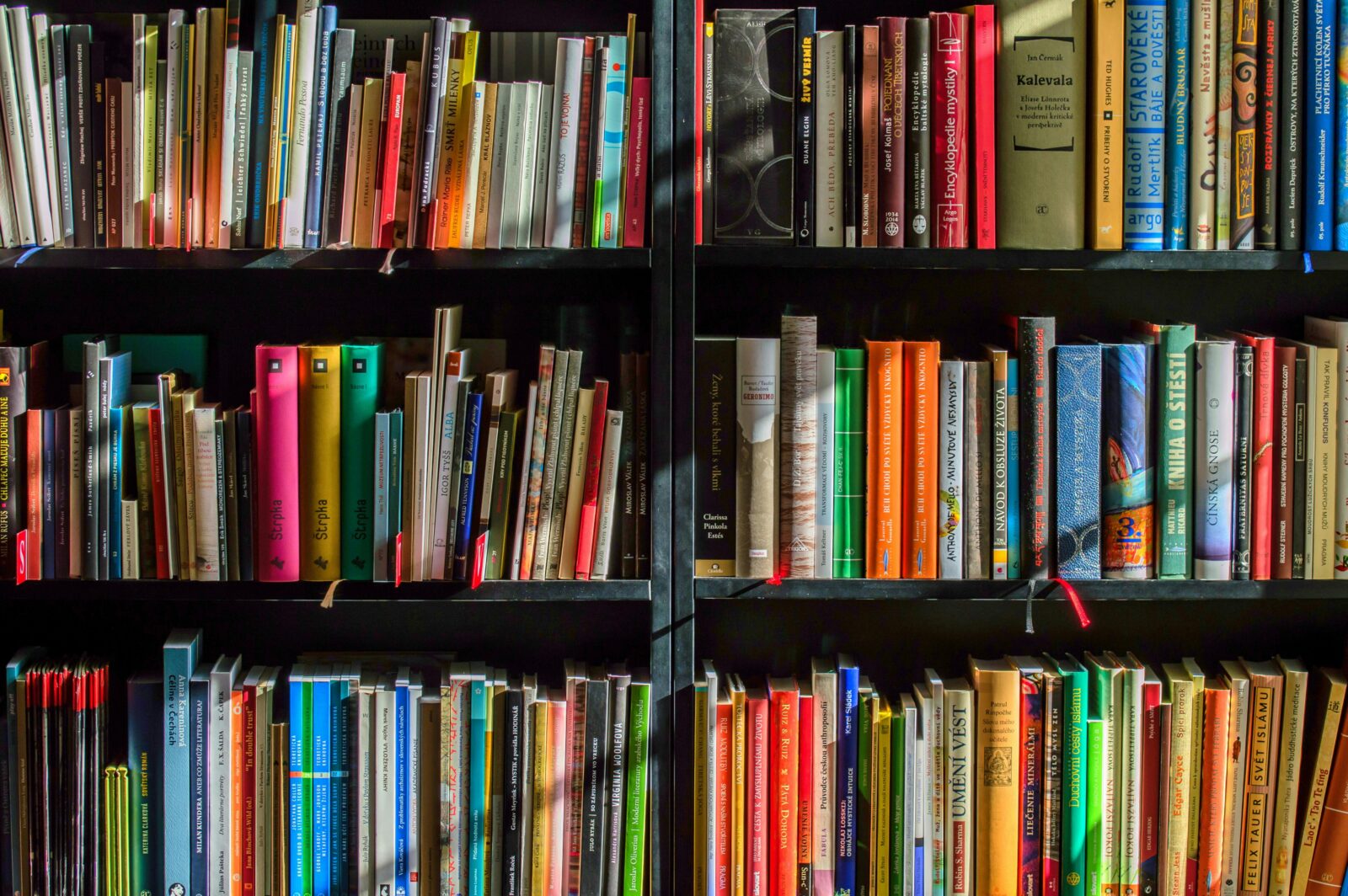
Libraries are more than just quiet places filled with books; they are vibrant community hubs that offer a wealth of knowledge and resources. As custodians of this treasure trove, librarians understand the importance of effective storage solutions. After all, how we store our materials can significantly impact their longevity and accessibility. With so many options available, choosing durable storage solutions becomes essential for preserving the integrity of library collections while enhancing user experience. Let’s explore what factors to consider when selecting the right storage systems for your library’s unique needs.
Factors to Consider When Choosing Storage Solutions
When selecting book shelves for libraries, several factors come into play. Start with the size of your collection. Knowing how much material you need to store will guide your choices significantly.
Next, consider the accessibility of items. You want to ensure that patrons and staff can easily retrieve materials without hassle. This might mean opting for shelving units or cabinets that allow easy browsing.
Don’t overlook durability and longevity. Libraries require robust solutions that withstand daily use while maintaining their integrity over time.
Space efficiency is another critical aspect. Evaluate the available area in your library and choose designs that maximize vertical space or fit snugly against walls.
Think about aesthetic appeal. The right storage solution should blend seamlessly with your library’s design while enhancing its overall atmosphere.
Types of Durable Storage Options for Libraries
When it comes to selecting durable storage options for libraries, there are several choices that stand out.
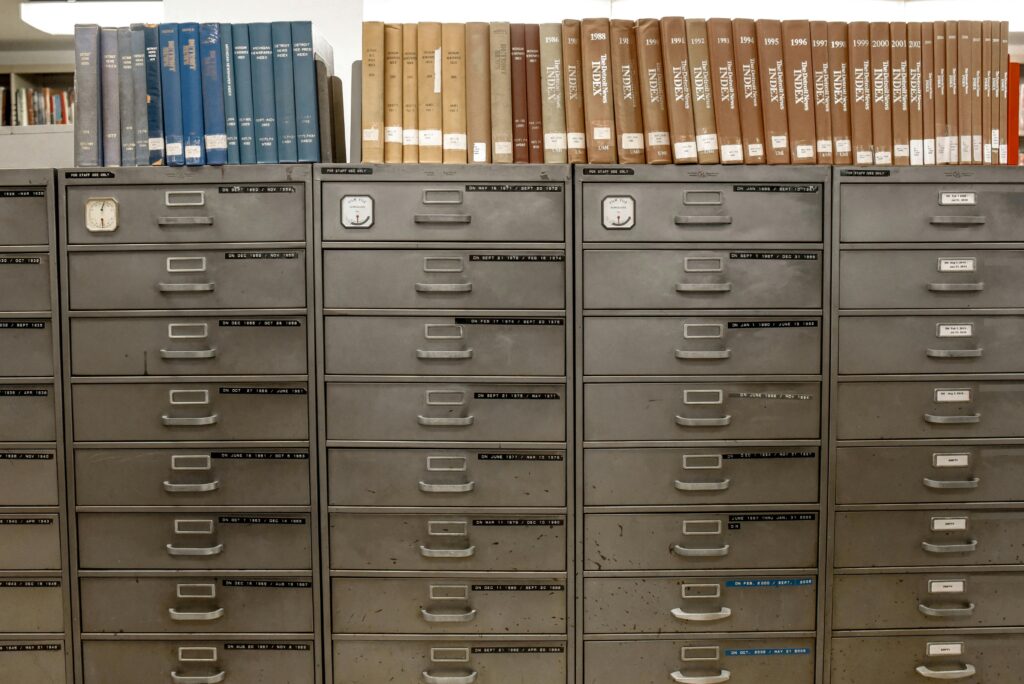
Metal shelving is a popular option. It offers strength and longevity while keeping books organized and accessible. This type of shelving can hold heavy volumes without bending or warping over time.
Wooden bookcases also provide aesthetic appeal along with durability. High-quality hardwoods withstand daily wear and tear, making them an excellent choice for areas with high traffic.
Plastic bins are another versatile solution. They protect materials from dust and moisture while being lightweight enough for easy rearrangement. Ideal for storing smaller items, they help in maintaining order in compact spaces.
For archival materials, acid-free boxes made from recycled content ensure the preservation of fragile documents without risk of deterioration. Selecting these specialized containers helps protect valuable collections effectively.
With so many robust options available, libraries can tailor their storage solutions to suit both functionality and style.
Benefits of Using Durable Storage Solutions
Durable storage solutions offer enhanced protection for valuable library materials. With high-quality shelving and containers, items are safeguarded against wear and tear. This mitigates the risk of damage from environmental factors like humidity or pests.
Investing in robust storage means fewer replacements over time. Libraries can save money while ensuring their collections remain intact for future generations.
Additionally, durable solutions contribute to better organization. Well-structured shelves make it easier to locate books, helping staff and patrons alike navigate resources efficiently.
The aesthetic appeal of sturdy storage cannot be overlooked either. Quality materials enhance the visual environment of a library, making it inviting for visitors who seek knowledge within its walls.
With proper maintenance, these durable options allow libraries to maintain their integrity as community hubs dedicated to learning and exploration.
Things to Avoid When Choosing Storage Solutions
When selecting storage solutions for libraries, it’s just as important to know what to avoid. Many decisions come with significant implications for both functionality and longevity.
One common pitfall is opting for low-quality materials. While cheaper options might save money upfront, they can lead to increased maintenance costs and replacements in the long run. Always prioritize durability over price.
Another mistake is neglecting environmental factors. Humidity, temperature fluctuations, and exposure to sunlight can damage books and other media. Avoid storage solutions that do not protect against these elements.
It’s also wise to steer clear of overly complicated systems that require extensive training or special tools for access. The goal should be ease of use; staff members should efficiently retrieve items without frustration.
Failing to consider future needs can create problems too. Growth in collections or changes in the types of materials stored could render your chosen solution inadequate sooner than expected.
Don’t forget about aesthetics! Storage shouldn’t just be functional; it should complement the library’s design while making spaces inviting for visitors.
By keeping these considerations in mind, libraries can select durable storage solutions that meet their current needs while being adaptable enough for future growth.








Leave a comment