






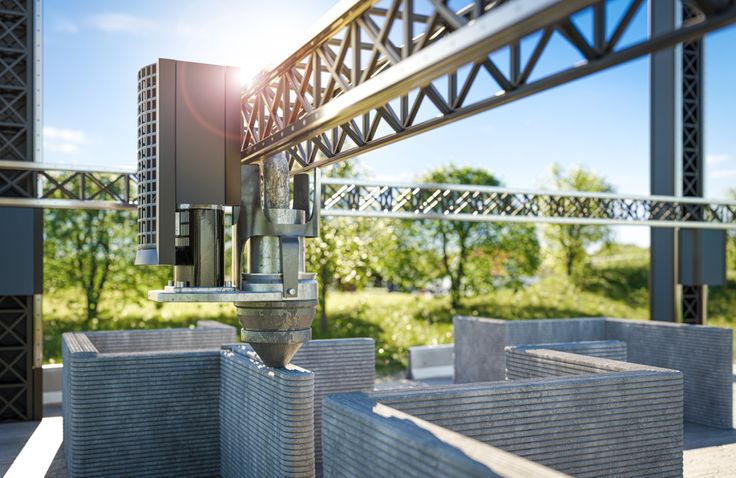
The world of construction is undergoing a remarkable transformation. As we face challenges like climate change, resource scarcity, and urbanization, the need for smarter building practices has never been more urgent. Enter innovative materials—game-changers that not only redefine how structures are designed but also address pressing environmental concerns.
Imagine buildings that can self-repair or materials that capture carbon dioxide instead of emitting it. The possibilities are endless, and they’re already starting to reshape skylines around the globe. With every advancement in technology, traditional methods give way to solutions that promise greater efficiency and sustainability. Let’s delve into what this new era of construction looks like and explore the materials paving the way for a better-built future.
Traditional building materials vs. innovative materials
Traditional building materials, like wood, brick, and concrete, have long been the backbone of construction. These time-tested options provide durability and reliability. However, they come with limitations such as weight and environmental impact.
On the other hand, innovative materials are shaking things up in the industry. Materials like cross-laminated timber (CLT), carbon fiber composites, and bio-based plastics offer lighter alternatives that can enhance performance.
With these new options comes a fascinating shift in design possibilitiesin jvk and sons Brisbane
. Architects are no longer constrained by conventional factors. Instead, they can explore more sustainable choices without sacrificing structural integrity or aesthetics.
As technology advances further into realms previously unimagined, innovative materials continue to lead the charge toward greener construction practices while pushing creative boundaries that redefine what buildings can be.
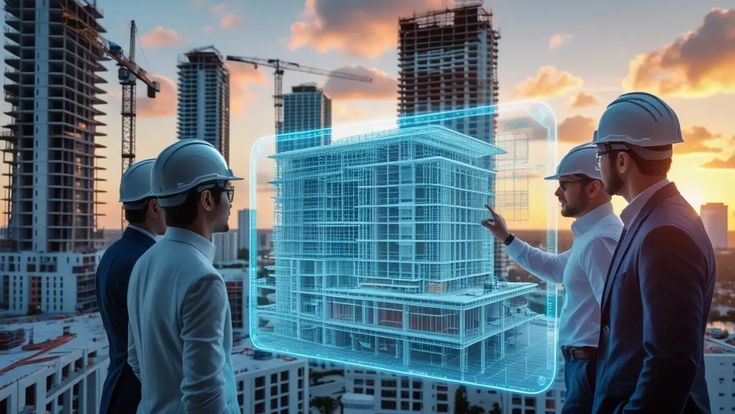
Examples of innovative materials in construction
One standout example is cross-laminated timber (CLT). This engineered wood offers strength comparable to concrete while being significantly lighter. Its sustainable nature makes it a favorite among eco-conscious builders.
Another fascinating material is self-healing concrete. Embedded with special capsules, this innovative concrete can repair its own cracks when exposed to moisture. This extends the lifespan of structures and reduces maintenance costs.
Then there’s graphene-infused materials. Graphene enhances the tensile strength of traditional building substances like cement or steel, making them more durable without adding weight.
Smart materials are also gaining traction in construction. These adapt to environmental changes, adjusting their properties based on temperature or humidity levels, ensuring optimal performance over time.
Recycled plastic bricks represent a creative solution for waste reduction in construction. They provide an alternative that not only supports sustainability but also offers impressive insulation properties.
Advantages of using innovative materials in construction
Innovative materials are reshaping the construction industry in remarkable ways. They offer enhanced durability, often outperforming traditional options. This means structures can withstand harsh weather conditions and require less maintenance over time.
Sustainability is another crucial advantage. Many new materials are eco-friendly, utilizing recycled components or requiring fewer resources to produce. This shift helps reduce the building sector’s carbon footprint.
Speed of construction is improved as well. Lightweight materials allow for quicker assembly and transportation, enabling projects to stay on schedule without compromising quality.
Additionally, innovative materials can enhance energy efficiency. Insulating properties may reduce heating and cooling costs significantly, leading to long-term savings for homeowners and businesses alike.
These advantages create a compelling case for embracing change within the industry while paving the way for smarter designs and sustainable practices in building.
Challenges and limitations of implementing these materials
The transition to innovative building materials is not without its hurdles. One major challenge lies in the initial cost of these materials. Many cutting-edge options can be more expensive upfront compared to traditional choices. This price difference can deter builders and developers from making the switch, especially when budgets are tight.
Another significant factor is the lack of widespread knowledge about these new materials among construction professionals. Training and education will be necessary for architects, engineers, and contractors to effectively incorporate them into their projects. Without proper understanding, there’s a risk that innovative solutions may not achieve their full potential or could even lead to misapplications.
Regulatory frameworks also pose challenges. Building codes often lag behind technological advancements, creating bureaucratic obstacles for those wishing to use newer materials in their constructions. Navigating this landscape requires patience and persistence.
Some innovative materials can have performance limitations under certain conditions or environments. For instance, while lightweight composites might offer strength advantages in one context, they may not perform as well in others where durability against weathering is crucial.
Addressing these challenges involves collaboration across industries—between manufacturers of innovative materials and construction professionals who understand practical applications on-site. The future looks bright but navigating it will take effort and adaptability.









Leave a comment