






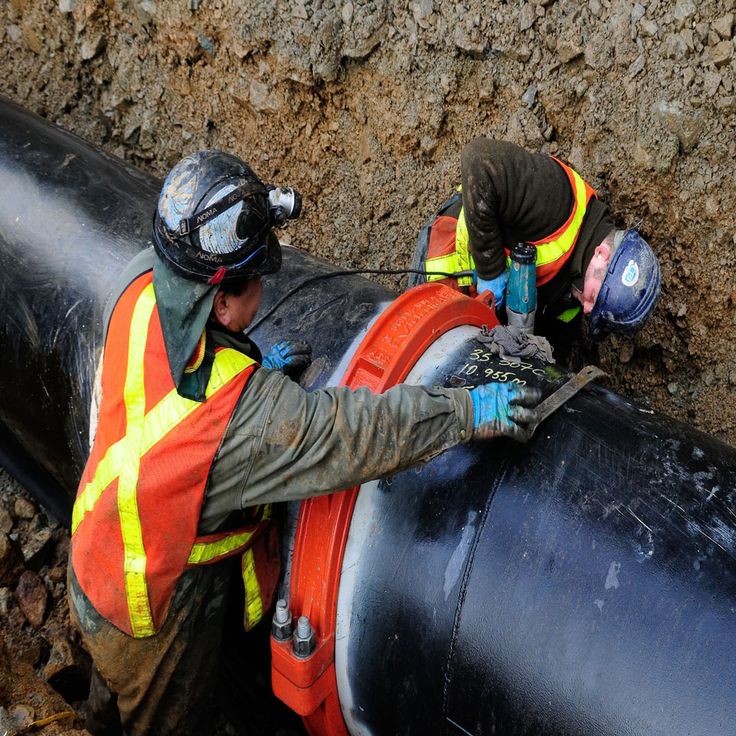
The process of pipe relining is changing the manner in which we undertake the plumbing repairs. Long gone are the days of long-lasting excavation and disturbing renovations. Rather, this new approach can be used to find efficient, cost-efficient solution to broken pipes. Pipe relining can give old pipes a new life whether it is cracks, leakages, or blockages in your pipeline system. But what does it require successfully to carry out a pipe relining project? It is important to know what tools are necessary to attain long term results and make the process smooth until the end. Now is the time to enter the world of the advantages of pipe relining, and to see what tools you will require in your next work!
Benefits of Pipe Relining
With pipe relining, one can provide an advanced solution to old and damaged pipes without excavating an area that is large. It is an attractive option as it saves time and money to the property owners.
The first advantage is that there is the minimum disturbance to your landscape or infrastructure. Conventional replacement of piping may cause major destruction in the gardens, driveways and roads. In relining, the majority of the work occurs within the existing access points.
The other benefit is longevity. The relining materials are corrosion and root resistant. This is because it will need fewer repairs in the long run and will give you the satisfaction of knowing your plumbing system will last a long time.
Pipe relining also improves flow efficiency by creating a smooth new inner lining. This reduces blockages and allows wastewater to move through the system more effectively. Professionals rely on high-quality pipe relining supplies to ensure the installation is strong, long-lasting, and reliable.
Necessary Tools for Pipe Relining Projects
The correct tools are very important when undertaking a pipe relining project. Every tool is purposeful and provides the smooth running of the process.
Firstly, there are inspection cameras. These will enable you to determine the state of the pipes that are present during an initial work process. An open sight will be used to detect obstructions or harm that requires to be sorted.
Then you will require cutting tools to make the pipes ready to reline. This is the elimination of any old material or debris that may interfere with adhesion.
There is also need of mixing equipment to form resin mixtures in CIPP lining. There can be no difference in accuracy in the end of a proper cure.
The safety equipment cannot be neglected. Gloves, respirators, and hard hats are used to safeguard the workers in operations that may be risky at times. With such tools available, there will exist an environment where quality work can flourish.
Cured-in-Place Pipe (CIPP) Lining Tools
The CIPP lining is a ground breaking procedure of repairing the damaged pipes. It is fast and it causes minimum interference and this is why it is popular among contractors. This technique requires the appropriate instruments to be used.
Inversion drum is a major tool in CIPP projects. This is used to squeeze the liner into the pipe, so that there is a consistent layer of resins applied everywhere.
The other important equipment is the vacuum pump that will remove the air in the system when installing. Appropriate vacuum pressure ensures that the saturation of resin is smooth.
Heating blankets are also important because they facilitate the curing of the resin after it has been installed. Constant temperature produces recalcitrant bonds in the newly lined pipe.
The inspection cameras can enable the contractors to determine the situation before the installations and also determine the results after repairing. This makes sure that all the jobs are of good quality and performance.
Pull-in-Place (PIP) Lining Tools
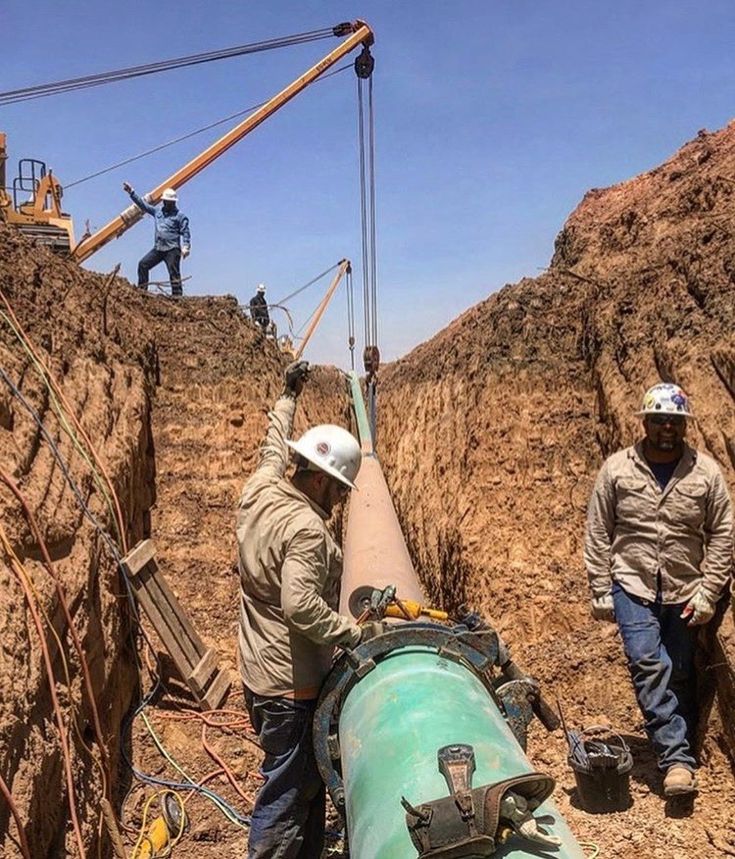
Another method of relining pipes is Pull-in- Place (PIP) lining tools. It is typically an operation on larger pipes of high diameter, and is performed by inserting the liner into an already existing pipe.
A winch is one of the essential devices in this operation and it gives the required power to drag the liner through extensive lengthening of the piping. Not only must the winch be strong enough to address straight runs, but also bends and turns without ruining the liner.
Another tool that is necessary is an inflation bladder or packer. When the liner is in the desired position it must then be pressed against the walls of the existing pipe. This is even done well by the inflatable bladder, which guarantees a tight seal where there is no leakage.
One way that a hydraulic system may be involved in a PIP project is through a hydraulic system. This equipment assists in controlling the levels of pressure and in positioning liners and assists in consistent application across the different sections of the piping.
Even the safety gear cannot be ignored; personal protective equipment such as gloves, goggles and helmets are essential where working with heavy machine and materials during the installation process.
These specialised PIP lining tools guarantee efficiency and quality of all relining projects. The ability to control every component will result in the successful results of the process of restoring aged pipelines without needing to excavate a vast area or disturb it.








Leave a comment