





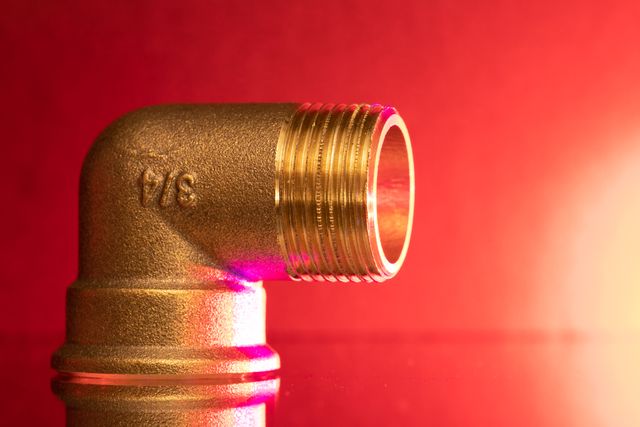
Little pipe ends can have tremendous difficulties
In engineering and maintenance work it is typically the little details that make the difference if the end system will work right. A pipe end may seem like a little element of the operation, but a poor flare can lead to sealing problems, leaks, rework and safety concerns. Especially in industries where every connection is subjected to pressure, vibration and repeated use.
The actual benefit is consistency
As such, a Flaring tool should be thought of as more than a workplace equipment. It’s part of the quality assurance process. And if the tool spits out inconsistent results, the individual using it can spend more time fixing faults than really doing the task. A good tool will help you generate a clean, reproducible flare that will support the connection it is designed for.
A good flare is more than just shape. It’s a matter of repeatability. A nice flare is not much if the next ten are varied. Workshops, field personnel and fabrication teams need tools that allow diverse workers to get reliable results. That consistency can minimise waste, boost confidence and facilitate examination.
The material being worked is also important. Wall thickness, diameter and condition will cause various pipes to react differently. A functional tool should grip the pipe firmly and form the flare in a controlled fashion. If the pipe slips, deforms or splits the whole connection is suspect. That’s why the tool design and build matters.
User experience influences craftsmanship
An instrument can be technically capable and still be annoying to use. If it is clumsy, slow to set up or not user friendly then more prone to blunders. In a busy work environment, ease of use is not a luxury It helps you work safer and more effectively. The pipe should be positioned by the operators and they should be able to apply force and check the result without undue effort.
Durability is crucial too. Tools used in real workshop conditions may be exposed to dust, transit, repeated handling and pressure from deadlines. A poor tool may work well at first, but it will become less accurate over time. This can eventually degrade the quality of the work, without anyone knowing right away.
Choosing the right tools for the job
Buyers should examine the type of pipe, the frequency of usage, the accuracy expected and the work situation before purchasing a flaring tool. A tool used sometimes in a controlled workplace may have different demands than one used frequently on location. It is also worth examining spare parts and maintenance and whether the tool supports the standards needed in the work.
A decent flaring tool puts you in the driver’s seat, not making you make do. “It enables the operator make a connection that looks correct, fits right and performs well. In pipe work, that level of assurance is crucial since the cost of a bad connection is rarely restricted to the pipe itself.
Another thing to keep in mind is that the tool you use can affect the speed of the entire workshop. If the technician trusts the flaring procedure the fitting work is easier for the rest of the job. Less hesitancy, less rejected endings and less repetitive cuts all save time. That practical saving may not be on the tool label, but it’s in the rhythm of the job.







Leave a comment