






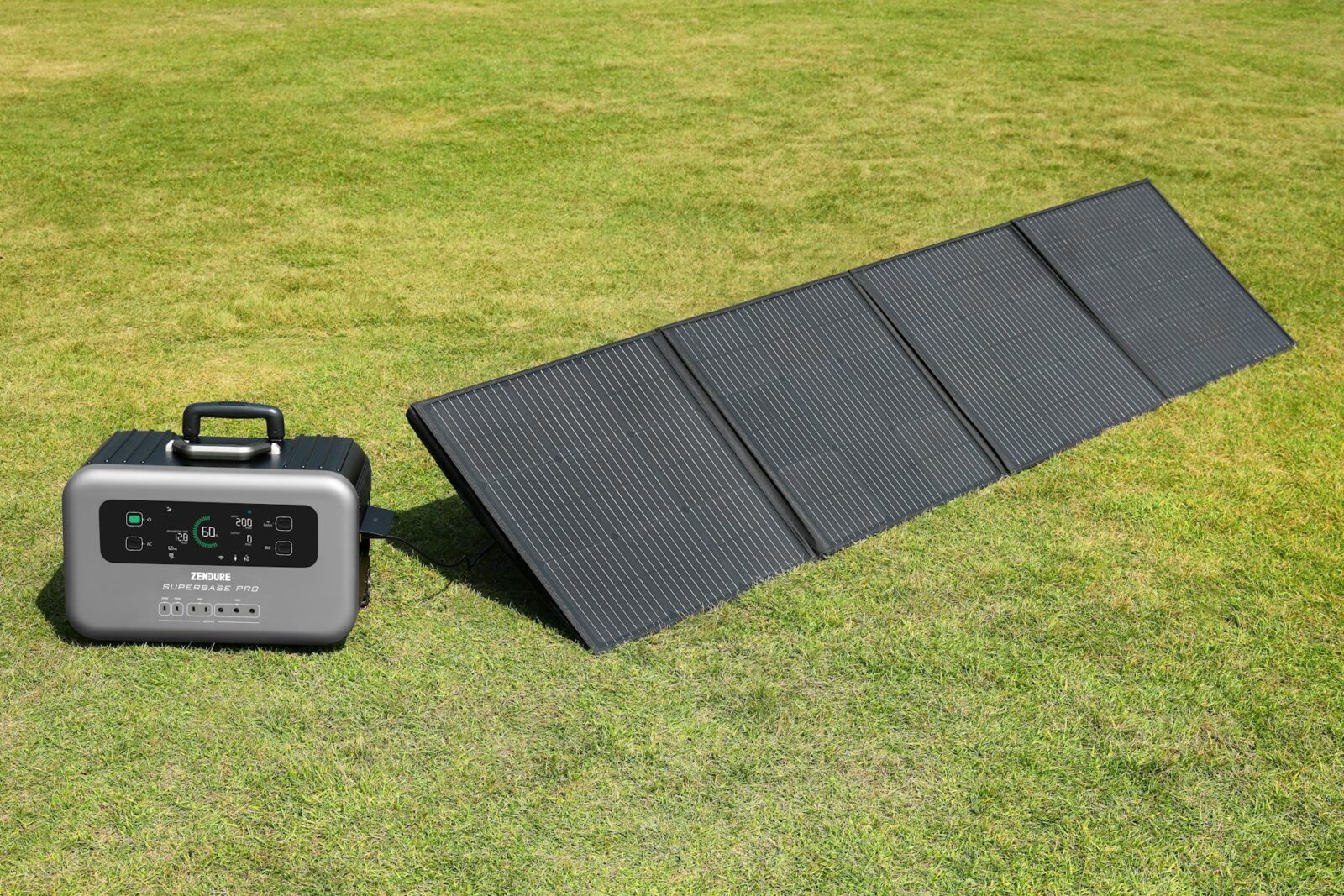
Imagine a home that not only powers your daily life but also contributes positively to the planet. As energy costs rise and environmental concerns deepen, many homeowners are exploring sustainable solutions. Solar and battery technology offers an exciting path forward, transforming how we think about energy consumption. With advancements in renewable energy systems, harnessing the sun’s power has never been more accessible or beneficial. Let’s dive into how this innovative technology can revolutionize your living space while promoting sustainability. Your journey towards a greener home starts here!
The Importance of Sustainable Energy
Sustainable energy is vital in our fight against climate change. As fossil fuels deplete, we face rising greenhouse gas emissions and their harmful effects on the environment. Transitioning to clean energy sources helps alleviate these problems.
Moreover, sustainable sunenergy.com.au promotes energy independence. By utilizing local resources like sunlight and wind, communities can reduce reliance on imported fuels. This shift not only fosters economic growth but also enhances national security.
Investing in sustainable solutions also paves the way for job creation. The renewable sector is rapidly growing, offering numerous opportunities across various fields from manufacturing to installation and maintenance.
As awareness of environmental issues increases, consumers are actively seeking greener alternatives. Embracing sustainable energy aligns with this demand while ensuring a healthier planet for future generations. It’s more than just an option; it’s a necessity that benefits both individuals and society as a whole.
What is Solar & Battery Technology?
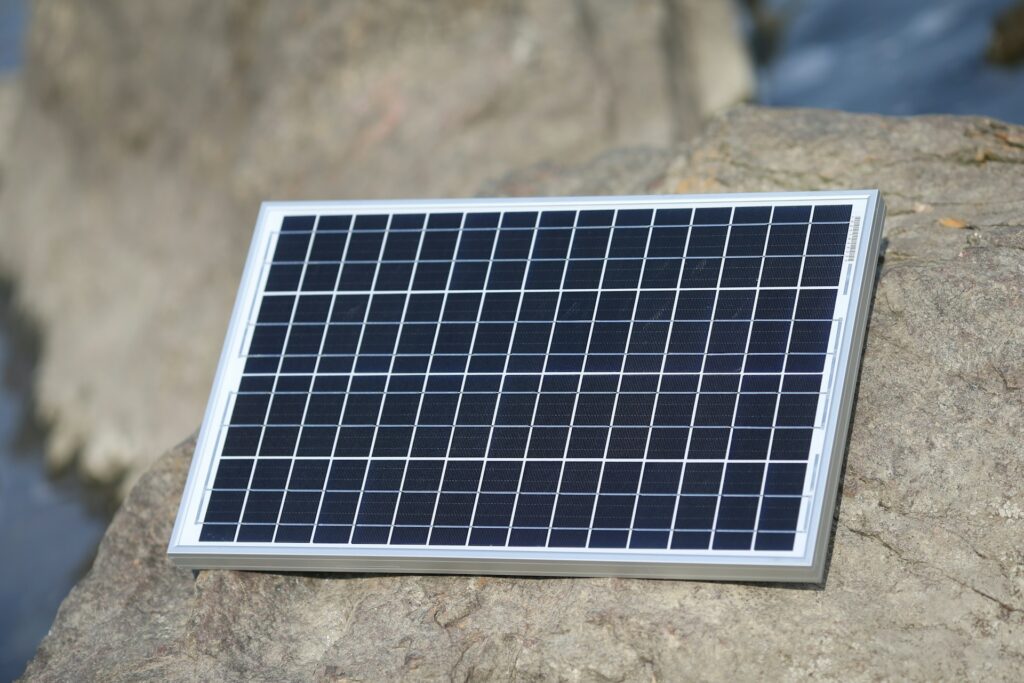
Solar and battery technology work hand in hand to harness renewable energy. At its core, solar technology captures sunlight using photovoltaic (PV) cells found in solar panels. These cells convert sunlight into electricity that can power your home.
Battery technology complements this by storing excess energy generated during sunny days. When the sun sets or cloudy weather rolls in, these batteries provide a reliable source of backup power.
Modern systems often include smart features that optimize energy usage based on daily patterns and peak demand times. This integration not only maximizes efficiency but also reduces reliance on grid power.
With advancements in both fields, homeowners now have access to more efficient solar panels and high-capacity batteries than ever before. This combination makes it easier to transition towards sustainable living while enjoying long-term savings on energy bills.
Benefits of Utilizing Solar & Battery Technology in Your Home
Harnessing solar and battery technology offers a multitude of advantages for homeowners. First, it significantly reduces electricity bills. By generating your own power, you become less reliant on the grid.
Another key benefit is energy independence. With solar panels paired with batteries, you can store excess energy for use during cloudy days or at night. This autonomy empowers you to control your energy consumption.
Environmental impact cannot be overlooked either. Utilizing renewable sources cuts down on carbon emissions and promotes sustainability. You’re contributing to a healthier planet while enjoying cost savings.
Additionally, many regions offer incentives for installing solar systems. Tax credits or rebates make this investment even more attractive.
Homes equipped with solar technology often see an increase in property value. Prospective buyers view these features favorably as they promise lower utility costs and modernity in home design.
Different Types of Solar Panels and Batteries
When it comes to solar panels, there are three main types: monocrystalline, polycrystalline, and thin-film.
Monocrystalline panels are known for their efficiency and sleek design. They occupy less space while generating more power. Their longevity makes them a popular choice among homeowners.
Polycrystalline panels are slightly less efficient but come at a lower price point. They have a unique bluish hue and work well in various conditions, making them suitable for diverse climates.
Thin-film solar panels offer flexibility and lightweight designs. Though they may require more space for the same energy output, they’re great for unconventional installations like curved surfaces or portable setups.
Now let’s talk batteries—lithium-ion vs lead-acid technology is where the real debate lies. Lithium-ion batteries dominate with better energy density and longer lifespans. However, lead-acid batteries still hold value due to their cost-effectiveness in certain applications.
Choosing the right combination of solar panels and battery systems depends on your needs and budget.
How to Get Started with Solar & Battery Installation
Making the switch to solar and battery technology can feel daunting, but it doesn’t have to be. Start by assessing your energy needs. Look at your current electricity bills and determine how much power you consume on average each month. This will help you understand what size system you’ll need.
Next, research local regulations and incentives related to solar installation in your area. Many regions offer tax credits or rebates that can significantly reduce upfront costs.
Once you’re informed, reach out to reputable installers for quotes. Ask about different systems they recommend based on their experience and customer feedback. Compare warranties, maintenance options, and overall costs before making a decision.
After selecting an installer, prepare for the installation process by ensuring easy access to your roof or yard where panels will go. You may also want to discuss battery placement with your installer; having them nearby ensures efficient energy storage.
Embrace this journey toward sustainability! Solar panels not only save money but also contribute positively to the environment—making every sunny day work in your favor!










Leave a comment