






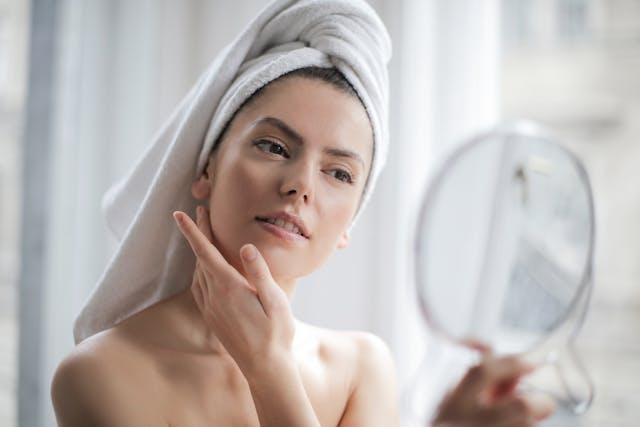
In a world overflowing with skincare advice, it can be difficult to separate fact from fiction. Social media trends, well-meaning friends, and outdated beauty “rules” often blur the lines between what truly benefits your skin and what may actually be doing more harm than good. Understanding the truth behind common skincare myths is one of the most empowering steps you can take towards healthier, more resilient skin.
Early on in your skincare journey, you might come across professional brands and resources like Solskin Beauty Labs that focus on evidence-based formulations and education. These kinds of sources are invaluable when it comes to cutting through misinformation and building a routine grounded in science rather than hype.
Below, we debunk some of the most persistent skincare myths and explain what your skin really needs.
Myth 1: Expensive Skincare is Always Better
Price does not automatically equal performance. While some high-end products contain beautifully formulated ingredients, many affordable options are just as effective. What matters most is the ingredient list, the formulation, and how well the product suits your skin type.
A well-formulated cleanser or moisturiser at a moderate price point can outperform a luxury product that contains fragrance or unnecessary fillers. Skincare should be chosen based on your skin’s needs, not the prestige of the label.
Myth 2: You Don’t Need Sunscreen on Cloudy Days
This is one of the most damaging myths in skincare. Ultraviolet (UV) rays penetrate cloud cover and can still cause skin damage, premature ageing, and increase the risk of skin cancer.
In Australia, where UV levels are often high year-round, daily sunscreen use is essential regardless of the weather or whether you plan to spend time outdoors. Sunscreen is not just a “beach day” product; it is a cornerstone of long-term skin health.

Myth 3: Oily Skin Doesn’t Need Moisturiser
Skipping moisturiser can actually make oily skin worse. When the skin is dehydrated, it often compensates by producing even more oil.The key is choosing a lightweight, non-comedogenic moisturiser that hydrates without clogging pores. Proper hydration helps balance oil production and supports the skin barrier, leading to clearer and calmer skin over time.
Myth 4: Natural Ingredients are Always Safer
“Natural” does not automatically mean gentle or effective. Many natural ingredients, such as essential oils or plant extracts, can cause irritation, allergic reactions, or sensitivity—especially for those with reactive skin.
Conversely, many synthetic ingredients are rigorously tested, stable, and highly effective. The safety and performance of a product depend on formulation and concentration, not whether the ingredients are natural or laboratory-created.
Myth 5: You Should Feel Tingling or Burning for Products to Work
A tingling sensation is often interpreted as a sign that a product is “active” or effective. In reality, burning or stinging usually indicates irritation or damage to the skin barrier.While certain active ingredients like retinoids or exfoliating acids may cause mild, temporary tingling when first introduced, discomfort should never be intense or ongoing. Healthy skincare supports the skin, it does not punish it.

Myth 6: The More Products You Use, the Better the Results
Layering multiple serums, toners, and treatments can do more harm than good. Overloading the skin increases the risk of irritation and can disrupt the natural barrier that keeps moisture in and irritants out.A simple, consistent routine—cleanser, treatment, moisturiser, and sunscreen—is often far more effective than a complicated regimen. Quality, compatibility, and consistency matter more than quantity.
Myth 7: Skincare Results Should Be Instant
Skincare is a long game. Most products require weeks, sometimes months, of consistent use to show meaningful results. Expecting overnight transformations often leads to unnecessary product switching, which can stress the skin further.Patience and routine are essential. Skin renewal cycles take time, and visible improvements usually reflect steady care rather than quick fixes.
What’s the takeaway? Knowledge is the best skincare tool
Debunking skincare myths empowers you to make informed decisions, avoid unnecessary damage, and invest in products and routines that genuinely support your skin’s health.When you prioritise education over trends and science over hearsay, your skin benefits in the long term.
By choosing credible information, understanding your unique skin needs, and maintaining realistic expectations, skincare becomes less confusing and far more rewarding. Healthy skin isn’t about perfection… it’s about consistency, care, and informed choices.









Leave a comment