






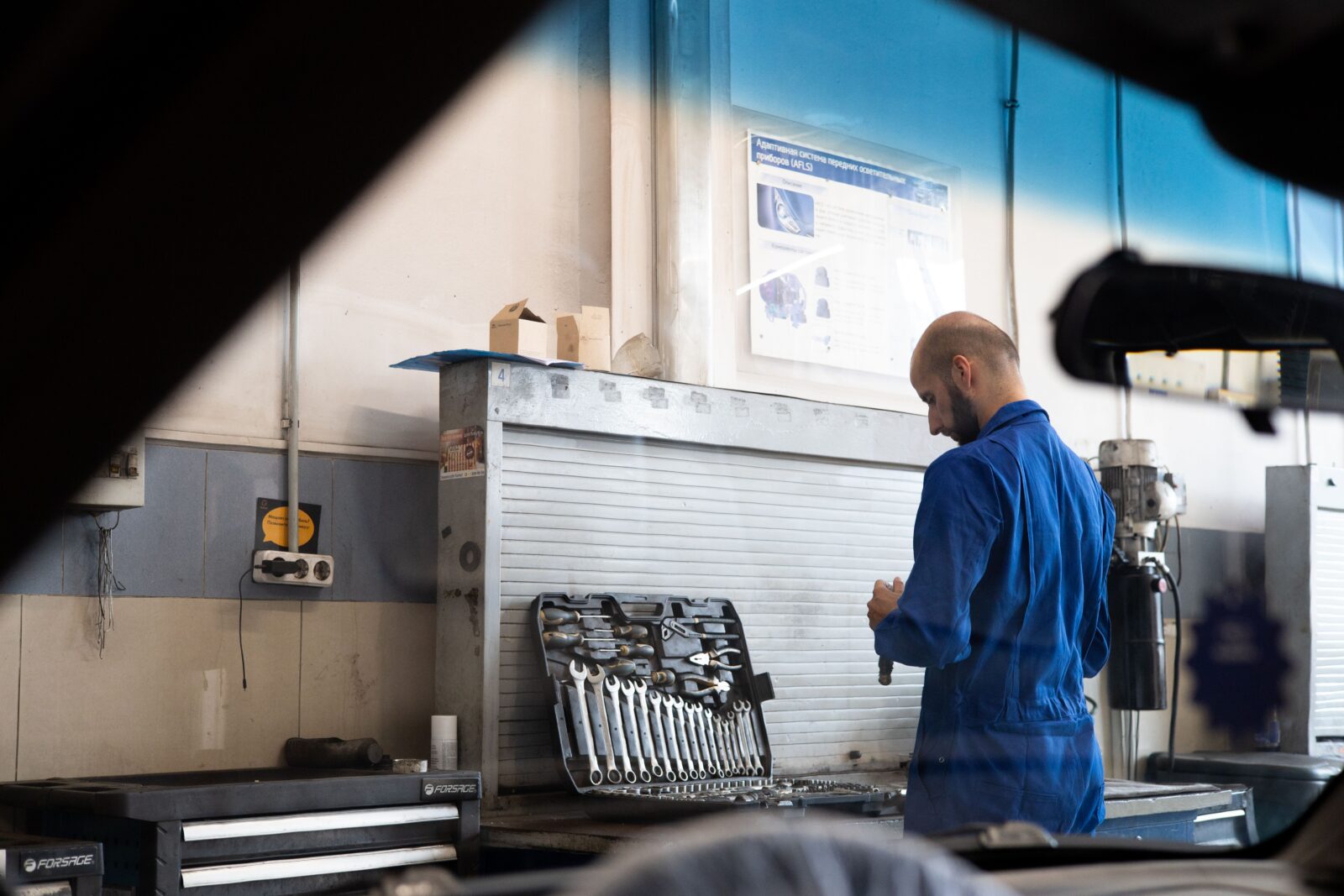
Vehicle lifts are among the most important pieces of equipment in a professional automotive workshop. They allow mechanics to raise vehicles to a comfortable working height, providing better access to components underneath the chassis.
Two-post lifts are commonly used for general servicing and mechanical repairs because they provide convenient access to the underside of a vehicle. Four-post lifts offer additional support and are suitable for certain inspection, maintenance and storage applications.
When selecting a vehicle lift, workshop owners should consider lifting capacity, available floor space, vehicle types and installation requirements. Regular inspections and correct operation are also essential for maintaining a safe working environment.
Diagnostic Equipment for Identifying Vehicle Problems
Modern vehicles contain complex electronic systems that require specialised diagnostic tools. An automotive diagnostic scanner helps technicians retrieve fault codes, monitor sensor information and identify potential issues within different vehicle systems.
Many professional scanners support functions such as engine diagnostics, ABS checks, airbag system inspections and electronic control unit analysis. More advanced equipment may also provide live data monitoring and selected programming functions.
Using suitable Joels workshop equipments can reduce unnecessary guesswork and help technicians identify problems more accurately. It also supports efficient servicing by providing useful information before mechanical repairs begin.
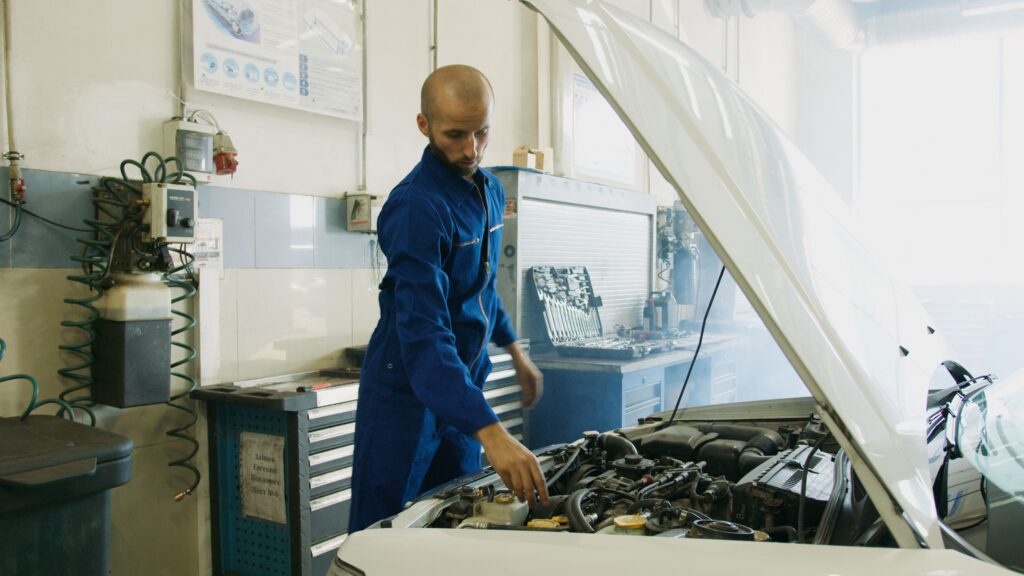
Air Compressors and Pneumatic Tools
Air compressors provide a reliable source of compressed air for various workshop activities. They can power pneumatic tools, inflate tyres, operate selected equipment and assist with cleaning certain components.
Common pneumatic tools include impact wrenches, air ratchets and pneumatic grinders. These tools can help automotive professionals complete repetitive tasks more efficiently, particularly when working with fasteners or undertaking larger repair jobs.
Workshop owners should select an air compressor with suitable pressure and airflow capacity for their equipment requirements. Proper maintenance, moisture management and regular inspections of hoses and connections are also important for reliable operation.
Hand Tools and Specialist Automotive Tools
A professional workshop requires a comprehensive collection of hand tools for everyday maintenance and repair work. Essential items include socket sets, spanners, screwdrivers, pliers, torque wrenches and different types of hammers.
Specialist automotive tools are equally important for handling specific repair tasks. Examples include bearing pullers, brake service tools, suspension tools and engine timing equipment.
Using the correct tool helps technicians work more accurately and reduces the risk of damaging vehicle components. High-quality tools with suitable storage systems can also improve workshop organisation and make frequently used equipment easier to locate.
Tyre and Wheel Service Equipment
Tyre servicing is a regular requirement in many automotive workshops. Equipment such as tyre changers and wheel balancing machines helps technicians remove, install and balance tyres efficiently.
A tyre changer simplifies the process of removing tyres from wheels, while a wheel balancer identifies weight differences that may cause vibration during driving. Correct wheel balancing can contribute to smoother vehicle operation and more comfortable driving.
Depending on the services offered, workshops may also require tyre inflators, pressure gauges and wheel alignment equipment. Investing in appropriate machinery allows businesses to provide more complete tyre and wheel maintenance services.
Safety Equipment and Workshop Organisation
A well-equipped automotive workshop must prioritise technician safety. Personal protective equipment, including safety glasses, gloves, protective footwear and hearing protection, helps reduce exposure to common workplace hazards.
Fire extinguishers, first-aid supplies, suitable ventilation and clearly marked emergency exits are also important. Workshops should provide appropriate equipment for handling oils, chemicals and other potentially hazardous materials.
Good organisation further improves workplace efficiency. Tool cabinets, storage racks, workbenches and labelled containers help keep equipment accessible while reducing clutter. Maintaining clean floors and clear walkways can also minimise the risk of accidents.









Leave a comment