






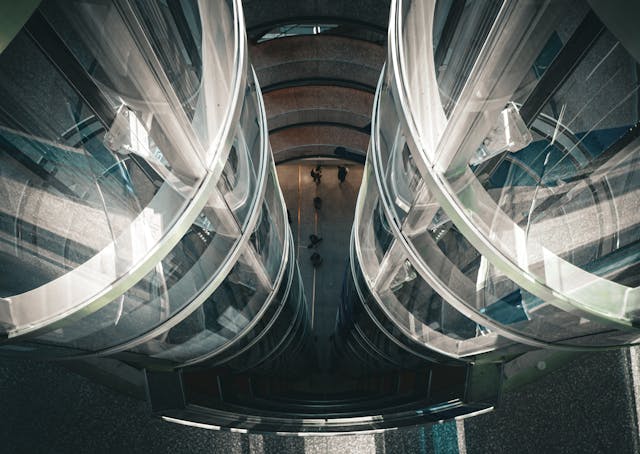
Elevator conversations used to revolve around one question: does the lift still work? That’s no longer enough. Building owners, strata committees, facilities managers, and developers are now looking more closely at the latest in elevator technology because performance expectations have shifted. Reliability still matters, though so do energy use, ride quality, traffic handling, passenger experience, remote monitoring, and the long-term serviceability of the system.
For existing buildings, that raises a more useful question than simple replacement timing. What parts of modern lift technology actually improve the building in a meaningful way, and which upgrades are mostly noise? Not every site needs a full rethink. Some can benefit from targeted changes that make an older system feel far more current without tearing the whole asset apart.
Better control systems change more than people expect
A lot of older lifts are held back less by the visible parts and more by what’s happening in the control logic. Slow response times, inconsistent levelling, inefficient dispatching, and awkward door behaviour often trace back to ageing control systems that no longer handle traffic or performance particularly well.
Newer control technology can improve how the lift responds across the day, especially in buildings with recurring traffic peaks. Calls get handled more intelligently, waits can be reduced, and the whole user experience starts feeling smoother. For building owners, that kind of improvement matters because it affects the part people notice most often: how the lift behaves when they actually need it.
In an existing building, a smarter controller can sometimes deliver a disproportionate gain compared with the scale of the intervention.
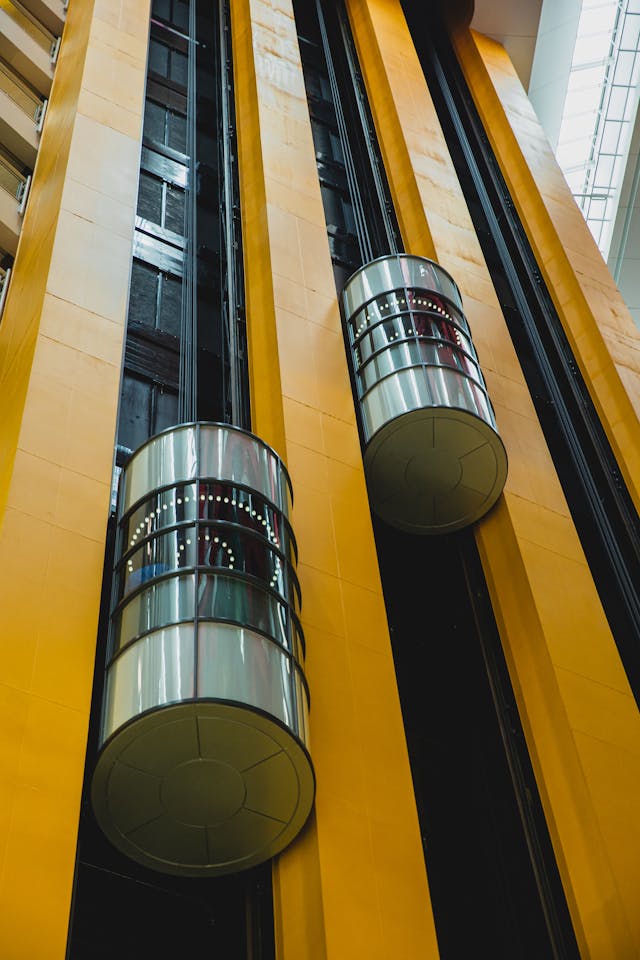
Remote monitoring is changing maintenance expectations
One of the more important shifts in elevator technology sits outside the passenger ride itself. Remote monitoring and connected diagnostics are making maintenance less reactive and more informed. Instead of waiting for faults to become visible through breakdowns or complaints, service teams can often detect certain issues earlier through data and system alerts.
That matters because traditional lift maintenance has often depended too heavily on visible failure. Something stops working, a technician attends, and the disruption has already happened. Better system visibility gives owners a chance to reduce that cycle, or at least tighten the response around it.
For older buildings, this can be especially useful. A system doesn’t need to be brand new to benefit from better monitoring. In many cases, adding smarter diagnostics helps extend the useful life of the installation while improving service planning.
Energy efficiency has become a more serious factor
Energy use used to sit lower on the lift priority list, especially in buildings focused mainly on uptime. That’s changing. More owners are paying attention to operating costs, broader electrification strategy, and building performance targets, which puts elevator efficiency under more scrutiny.
Modern drive systems, regenerative technology, LED lighting, and improved standby modes can all reduce the load compared with older equipment. In a building with regular usage, that shift may not transform the whole energy profile on its own, though it can still make a meaningful contribution over time.
For existing buildings, the practical value lies in deciding whether efficiency gains can be captured through upgrade works rather than waiting for a full replacement cycle. In many cases, they can.
Ride quality now shapes perceived building quality
People judge a building partly through its lift experience, whether they mean to or not. Slow doors, noisy travel, rough stops, poor levelling, or dated cab interiors all affect how the asset feels. That’s particularly relevant in commercial offices, healthcare settings, apartment buildings, hotels, and mixed-use properties where presentation and daily comfort both matter.
Newer lift technology improves more than the engineering underneath. It often improves the quality of movement itself. Starts and stops feel cleaner. Levelling becomes more accurate. Doors operate more reliably. The lift stops feeling like a tired utility and starts feeling more in step with the rest of the building.
That can have real value in existing properties where the surrounding asset has been upgraded, but the lift experience still drags the whole impression backwards.
Traffic handling has become more intelligent
Not all lift demand is random. Many buildings have predictable movement patterns; morning arrival peaks, lunchtime circulation, end-of-day exits, or recurring bursts tied to certain floors or functions. Older systems often respond to this in fairly blunt ways. They move, though not always efficiently.
Modern traffic management and destination control systems handle this more intelligently. In the right setting, that can reduce congestion, cut unnecessary stops, and improve passenger flow. The gain is often strongest in larger or busier buildings, though the underlying principle matters more broadly: better technology can improve how people move through the building, not just how the equipment performs in isolation.
For older buildings, the key question is whether the traffic profile is complex enough to justify that level of intervention. In some cases, the answer is clearly yes. In others, simpler upgrades will do more practical work.
Serviceability matters as much as innovation
Not every new feature is valuable just because it sounds advanced. Building owners need to think about serviceability as well. Can the equipment be maintained properly? Are parts readily supported? Is the technology robust in the local service market? Will the upgrade make the system easier to manage over the next decade, or simply more complicated?
That question matters in existing buildings because technology only helps if it improves lifecycle performance, not just the sales brochure. A clever feature set means very little if support becomes difficult, parts are highly proprietary, or the building ends up more exposed when faults occur.
The best technology choices usually balance modern capability with realistic long-term support.

Existing buildings don’t need every new feature
One of the easiest mistakes in upgrade planning is treating innovation as something to adopt wholesale. Most buildings don’t need that. They need the right improvements in the right places.
For one building, that may mean controller modernisation and remote monitoring. For another, it may mean improved door systems, energy upgrades, and cab refurbishment. A larger property may benefit from more advanced traffic handling. A smaller one may simply need stronger reliability and smoother ride quality.
The point isn’t to chase every new development. It’s to identify which parts of modern lift technology solve real problems in the existing asset.
Better elevator technology should make the building easier to run
That’s the real benchmark. The latest technology should improve the lift for the people who use it and the people responsible for keeping it working. Shorter waits, cleaner performance, lower disruption, better visibility, stronger service planning, and a more current experience all matter because they make the building easier to live in, work in, and manage.
For existing buildings, that often means the smartest move isn’t starting over. It’s using the right technology to remove the friction that’s built up over time. When that’s handled well, the lift stops feeling like an ageing problem to work around and starts functioning like part of a building that still knows how to perform.






Leave a comment