





The trend toward wicker furniture has taken off faster than expected, and it is not an accident. Bureau of Meteorology data regularly registers UV index levels above 11 during peak summer periods in cities like Perth and Brisbane, putting constant stress on outdoor materials. Outdoor living remains a central part of Australian lifestyles, but many traditional materials struggle to withstand long-term exposure. Timber fades sooner than it should, lower-grade plastics degrade faster, and homeowners keep seeking options that last longer without requiring constant maintenance. Amid that pressure, wicker furniture has begun to move from a decorative object into a more utilitarian role. Moreover, this shift is being driven by climate conditions, long-term cost thinking, and evolving housing habits across the country.
Australian Weather Keeps Testing Outdoor Furniture
Outdoor furniture is always at risk in Australian weather conditions, particularly in areas with intense sunlight and coastal humidity. Prolonged UV exposure and moisture shifts to the surface, however, quickly lead to deterioration. As a result, low-grade materials can fail well before the buyer anticipates. Synthetic wicker made from polyethylene, or PE rattan, is much more prevalent in outdoor living areas. In fact, laboratory weathering tests demonstrate that PE wicker remains usable for approximately 7–15 years outdoors compared to untreated natural fibres, which often break down in 1–3 years under similar exposure levels.
Outdoor wicker lounge sets are a more common option in coastal environments, as salt-laden air accelerates metal corrosion by about 30 percent compared to inland areas. Households now seek materials that remain stable in those harsher conditions without needing constant treatment or replacement. Additionally, durability testing indicates that UV-stabilised resin wicker retains over 85 percent of its structural integrity following 2,000 hours of accelerated UV testing. Consequently, this level of performance explains why wicker furniture is commonly chosen in high-sunlight areas. In these regions, other outdoor materials start to lose strength much earlier.
Long-Term Costs Matter More Than the Purchase Price
Most outdoor furniture decisions in Australia are made based on price. Wicker furniture tends to be mid-range, with outdoor lounge setups priced between AUD 800 and AUD 3,000, while hardwood and solid teak alternatives often start from AUD 1,500 and can go up to over AUD 5,000 depending on size and finish quality. Aluminium furniture can sometimes be in the same price bracket as wicker, but the costs often increase once corrosion-resistant coatings and treatments are applied to increase durability.
When long-term maintenance and replacement cycles are added, the financial picture changes even more. Wicker furniture can save 20–35% on total ownership costs over 10 years compared to untreated timber alternatives. This is because timber furniture often needs to be sealed, repainted, and treated to slow down the effects of the weather. Furthermore, this maintenance can cost AUD 150–300 per year depending on exposure. Over time, that adds up as much as the initial purchase.
Environmental Pressure Is Changing Furniture Choices
In Australia, furniture buyers are increasingly influenced by environmental concerns, such as how materials are produced, how long they last, and what kind of environmental pressure they place over time. Lifecycle analysis indicates that the embodied energy of synthetic PE rattan is approximately 40–60% lower than that of cast aluminium for the same material weight. Likewise, natural rattan has the added benefit of renewability, requiring 5–7 years to regrow compared with many hardwood species that take 20–40 years to reach maturity.
This does not erase the complications that still exist in the sustainability picture. In fact, many buyers never see these issues when they are making purchase decisions. Products that are mixed materials, such as metal frames with synthetic fibres, pose recycling problems because separating those materials is difficult at the disposal stages. Meanwhile, Australian waste reporting shows that composite furniture accounts for over 85,000 tonnes of landfill bulk waste each year in categories of furniture. In some areas, production efficiency may enhance environmental performance. However, end-of-life processing remains a more significant structural challenge that manufacturers and waste systems are still struggling to manage.
Comfort Plays a Bigger Role Than Appearance Alone
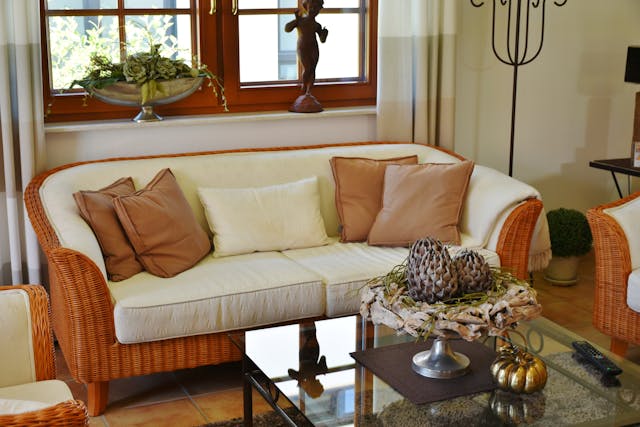
In households where the outdoor space is an integral part of daily living, comfort directly affects the use of outdoor furniture. For example, wicker seating with high-density foam cushions of 25–35 kg/m³ reduces peak seating pressure by up to 18% compared with rigid timber benches. As a result, this difference becomes more noticeable during longer gatherings, outdoor dining, or social events. In these situations, attendees remain seated for extended periods.
The retention of heat also alters the perceived comfort of outdoor spaces in Australian summers. Specifically, synthetic wicker retains approximately 30% less heat than aluminium surfaces under direct sunlight at 35°C ambient temperatures. Therefore, this results in lower surface discomfort during hotter parts of the day. Especially in northern regions, exposed outdoor furniture can reach 50°C during peak summer conditions.




Leave a comment