






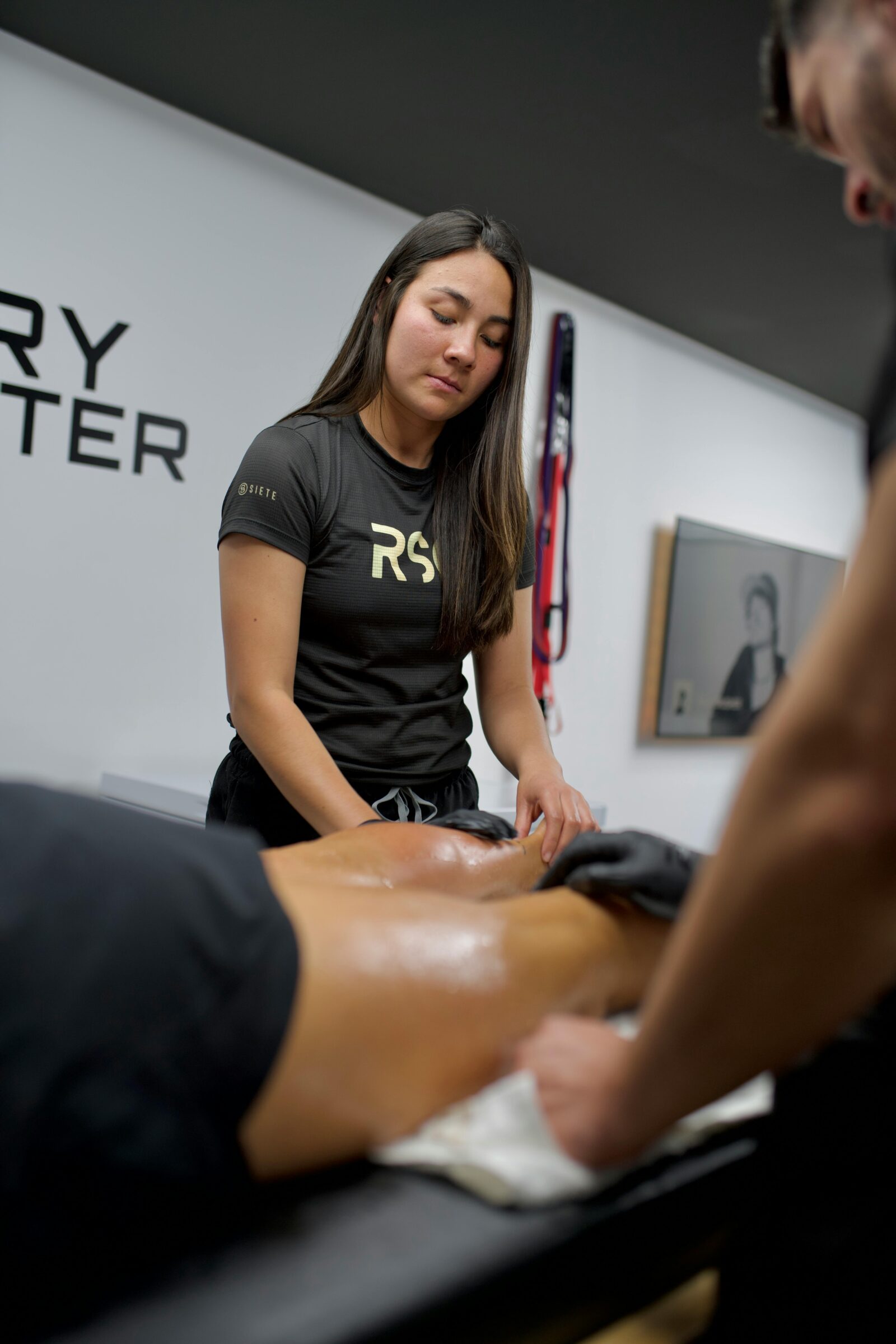
In today’s fast-paced world, many of us find ourselves battling chronic pain or recovering from injuries. Traditional treatments can sometimes feel slow and ineffective, leaving you frustrated and longing for relief. Enter shockwave therapy—a revolutionary treatment that has been gaining traction among athletes and health professionals alike. This non-invasive procedure promises not only to speed up recovery but also to enhance overall well-being. Curious about how it works and whether it’s the right choice for you? Let’s dive into the fascinating world of shockwave therapy!
How Does Shockwave Therapy Work?
Shockwave therapy utilizes acoustic waves to stimulate healing in damaged tissues. These sound waves penetrate the skin and target specific areas, promoting increased blood flow.
As the waves travel through the tissue, they create microtraumas. This process encourages your body’s natural healing response, triggering cellular regeneration and collagen production.
The energy from these shockwaves also helps break down scar tissue and calcifications. By disrupting these problematic areas, your body can better repair itself over time with the support of shockwave therapy from Back In Motion.
Treatment is non-invasive and often requires no downtime. Many patients report significant improvements after just a few sessions.
This innovative approach offers a refreshing alternative for those seeking faster recovery from pain or injury without resorting to surgery or long-term medication use. Each session is tailored to individual needs, ensuring optimal results while minimizing discomfort during treatment.

Benefits of Shockwave Therapy
Shockwave therapy offers a range of compelling benefits for those seeking relief from pain and discomfort. One of the primary advantages is its ability to stimulate healing at a cellular level. This process encourages tissue regeneration, allowing damaged areas to recover more rapidly.
Another significant benefit is the reduction of inflammation. By promoting blood flow and circulation, shockwave therapy can help alleviate swelling and tenderness in affected regions. As a result, patients often experience improved mobility and reduced stiffness.
Additionally, this therapy minimizes reliance on medications, which can come with unwanted side effects. Instead of masks symptoms with pills or injections, shockwave therapy targets the source directly.
Many patients report quicker recovery times compared to traditional therapies. With fewer sessions needed overall, it becomes an efficient option for those eager to return to their normal activities without prolonged downtime.
Conditions Treated by Shockwave Therapy
Shockwave therapy is a versatile treatment option for various musculoskeletal conditions. Athletes often turn to this therapy for issues like tendonitis, particularly in the shoulder and elbow.
Plantar fasciitis, causing heel pain, is another common condition addressed through shockwave therapy. Patients experiencing chronic pain from conditions such as Achilles tendon injuries also find relief.
In addition to these ailments, it can aid in treating trigger points and myofascial pain syndrome. This non-invasive procedure stimulates healing by enhancing blood circulation and metabolic processes.
Patients with calcific shoulder tendinopathy have reported significant improvements after undergoing shockwave sessions. The technology targets damaged tissues effectively while minimizing discomfort during recovery.
Many clinics are now embracing this method due to its ability to promote faster healing times compared to traditional therapies. Each patient’s journey may vary based on individual factors, but the results often speak volumes about its efficacy.
What to Expect During a Shockwave Therapy Session
When you arrive for a shockwave therapy session, your healthcare provider will first conduct an assessment. This ensures that the treatment is tailored to your specific needs. You may be asked about your medical history and any symptoms you’re experiencing.
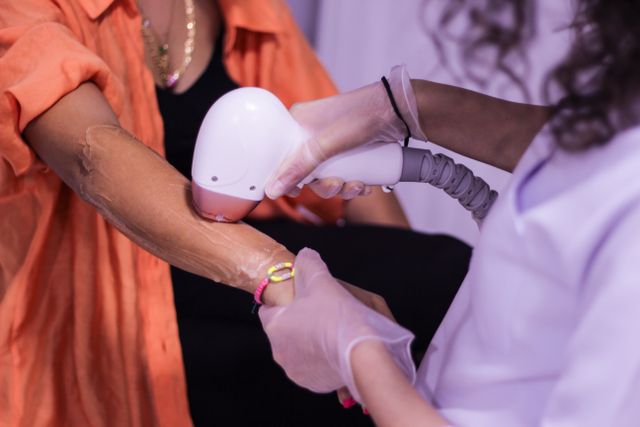
During the session, you’ll be positioned comfortably. The device used in shockwave therapy emits acoustic waves that target the affected area. Most patients report little to no discomfort during this process, although some might feel a mild sensation akin to a gentle tapping or vibration.
The duration of each session typically lasts between 15 to 30 minutes, depending on the condition being treated. Afterward, many people return to their normal activities immediately, making it a convenient option for those with busy lifestyles.
It’s common for providers to recommend several sessions spread out over weeks or months. Each visit builds on the last as healing progresses and pain relief becomes more pronounced.
After completing your sessions, follow-up visits may be scheduled for ongoing assessments of your recovery journey. Patients often find themselves surprised by how quickly they notice improvements in mobility and reduction in pain levels after undergoing this innovative treatment method!









Leave a comment