






You can envision the scenario where you walk into your home and with the mere voice command your lights are dimmed, your thermostat knows what you would like the house to be like, and your favorite music plays. This is no mere dream but this is the reality of linked homes. Our living quarters have never been smarter and more integrated since technology is being advanced.
The smart homes are interconnected through the use of different devices that interact with each other to improve comfort, security and efficiency. But at the core of these smart systems is something that many people frequently underestimate that is sound electrical infrastructure. The most hi-tech devices can not do their job without it.
Later on as we delve into this subject we will find out the importance of planning electrical infrastructure in order to develop a well-coordinated connected home setting. Let us unwind how prudent thought can result in a final living experience that suits only you.
Importance of Electrical Infrastructure in Connected Homes
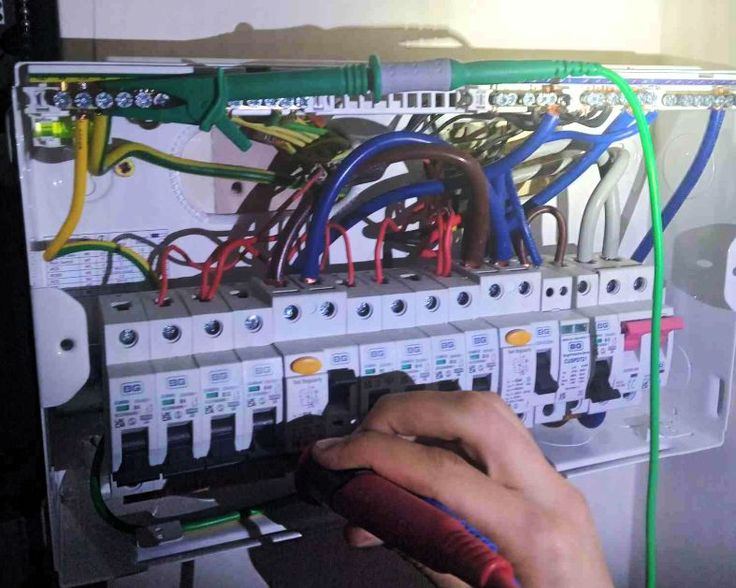
The home electrical switchboard is the foundation of any connected home. Smart devices are incapable of communicating or functioning as they should without a sound basis.
High quality wiring will make sure that the power is passed efficiently to all gadgets and appliances. This consistency is very important in ensuring a smooth connectivity and functionality. An installed electrical system can support the continuously increasing number of gadgets in our lives.
Another important thing is safety. Even strong electrical systems reduce the hazards of short circuiting and overloading, safe your family and home against possible hazards.
In addition, a modernized electrical system has the potential of improving energy efficiency. It allows more efficient tracking and control of energy usage in different gadgets.
Essentially, an investment in good electrical infrastructure will open the doors into a genuinely integrated living experience and also help in avoiding the traps with modern technology.
Factors to Consider when Planning Electrical Infrastructure
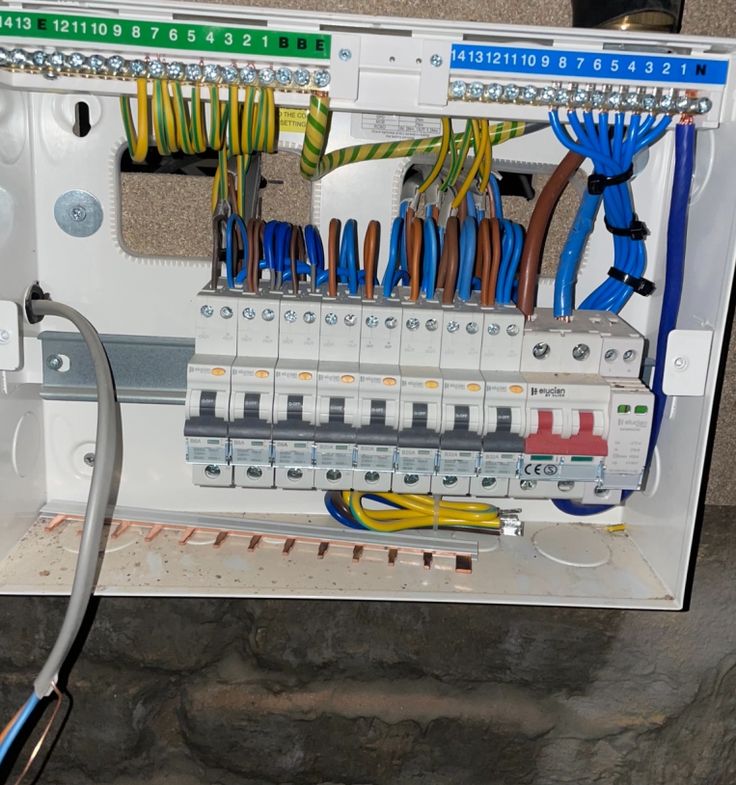
In the case of electrical infrastructure planning of connected homes, a number of factors are involved. The first step is to determine the power consumption of all the smart devices you would like to use. Every device is a burden to your personal weight.
Then, the design of your house. The correct mapping on the location of outlets and connections will help to avoid inconveniences in the future.
Scaleability should not be left behind. Technology changes fast; creating an efficient system that is flexible gives the opportunity to upgrade or add more in future.
Safety regulations also form another crucial area. Compliance and security are not only assured but also functionality through adherence to local codes.
Consider such backup solutions as generators or battery systems. These offer backup in times of outages and have the critical devices online when they are most required.
Choosing the Right Technology for Your Home
To choose the technology to use in your connected home, you have to begin by determining what you need. Think about the things that will make your life better each day. Popular are smart thermostat, lighting, and security cameras.
Then consider compatibility. Make sure that the devices you select are compatible. Find products that can take up frequent standards such as Zigbee or Z-Wave.
Another important factor is energy efficiency. Use smart technologies to not only make work easier, but also conserve on utility bills in the long run.
User experience also should not be ignored. Select user-friendly interfaces and stable applications to manage all the aspects at any location in your house.
Think ahead of whatever you choose. The speed of technological change is tremendous; it is essential to invest in brands that are characterized by frequent updates and customer service to follow the technological progress in the future.
Future of Electrical Infrastructure in Connected Homes
The future of the electrical infrastructure in the connected homes is bright and promising. With the development of technology, the need of smarter and efficient energy system will definitely increase. Homes are becoming place of innovation, where convenience and sustainability collide.
Other innovations such as smart grids which enable real-time monitoring and control of power consumption can be expected. This does not only result into a low energy cost but also improves reliability of services. In my mind, I could see a house that could automatically lower or increase its energy use during peak hours or even produce power using solar panels and sell the surplus to the grid.
It will be a norm to integrate with renewable energy sources. People who own homes will be able to tap into wind, solar or geothermal energies without difficulty as it becomes part of their lives. This change in sustainability will motivate the societies to have a lower carbon footprint at the community level.
Furthermore, the development of batteries storage will be more independent of conventional power grids. Through excellent backup mechanisms, the homes are capable of staying up during outages or disasters.
Innovations like 5G connectivity will enhance the level of communication between devices in our spaces of living as we move forward, to be more responsive and intuitive than ever. The possibility of artificial intelligence implementation implies that your home would learn your routine and preferences throughout the years, and adjust to them.
By making a wise decision today we are preparing tomorrow on the connected living experiences. A strong electrical infrastructure will position you in such a way that you can welcome everything that is exciting that will happen to you.









Leave a comment